


More Than a Meal
Imagine walking through the centuries-old lanes of Lucknow, not just as a tourist, but as a guest guided by a local foodie. You bypass the commercial chains and head straight to a small, family-run stall that has perfected its galouti kebab recipe over
generations. This is the essence of a neighbourhood culinary tour. Unlike conventional sightseeing, these curated walks immerse travellers in the living heritage of a place, from Old Delhi's bustling Paranthe Wali Gali to Jaipur's aromatic spice markets. The focus is on authenticity, connection, and experiencing a city through its most beloved flavours, guided by people who know its culinary secrets best. These tours are intentionally small, prioritizing intimate experiences over mass tourism and creating a direct bridge between the visitor and the community.
A Direct Economic Lifeline
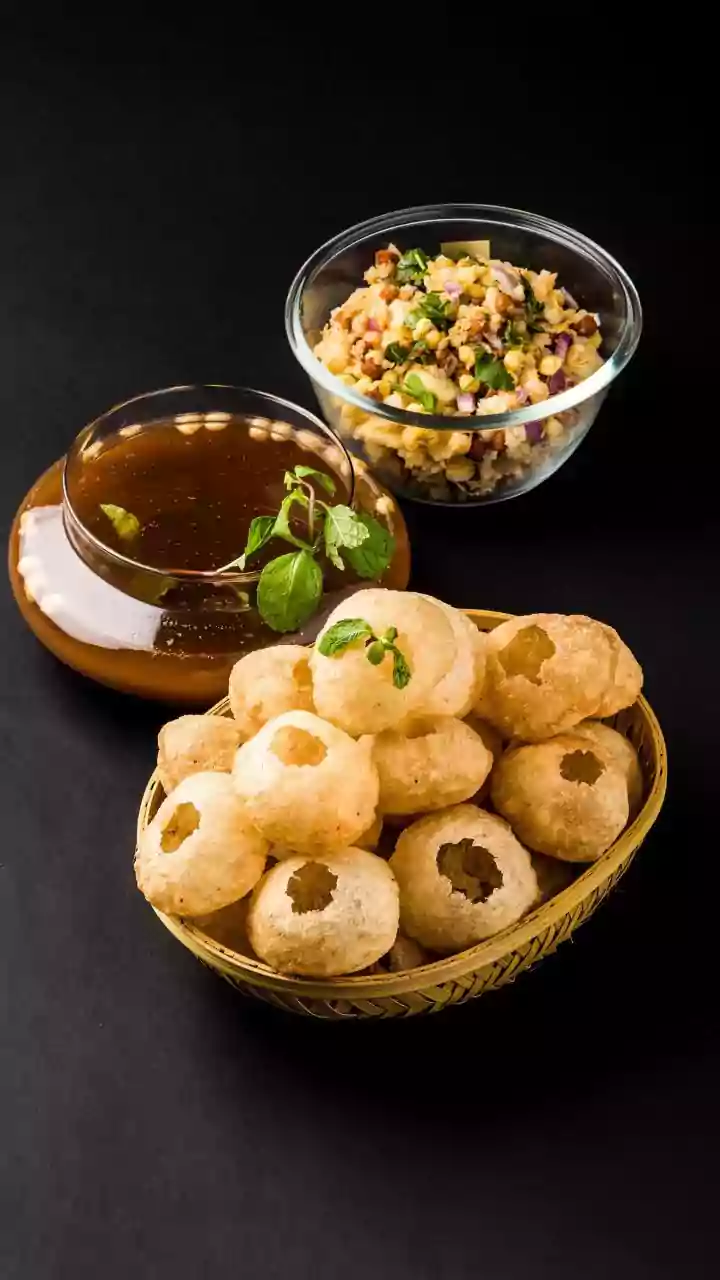
One of the most significant impacts of these food tours is economic. When a traveller pays for a tour, the money doesn't just go to a large tour operator. Instead, it is distributed among the various local vendors featured on the walk. This model ensures that revenue flows directly into the hands of small-scale entrepreneurs—the chaat-wala, the kulfi maker, the biryani chef—who are often the backbone of the local economy but can be excluded from the benefits of mainstream tourism. By valuing and paying a premium for authentic, traditional food, these tours create a stable income stream for family businesses, helping them thrive and resist the pressure to sell out to larger, homogenised food chains. This direct financial support empowers communities and contributes to a more equitable form of tourism.
Preserving Culinary Heritage
Every dish sampled on a neighbourhood food tour comes with a story. These tours are, in effect, mobile classrooms for intangible cultural heritage. Guides often share the history of a particular dish, its connection to a specific community, or the traditional cooking techniques used to prepare it. This act of storytelling and sharing elevates food from mere sustenance to a vital cultural artifact. By creating a commercial demand for traditional recipes, culinary tours provide a strong incentive for younger generations to continue their family's culinary legacy. In a world where globalised food trends often threaten to erase local traditions, these tours play a crucial role in keeping India's diverse food heritage alive, celebrated, and passed down.
Fostering Community Pride and Connection
For a long time, local or 'street' food was sometimes seen as something to be hidden from outsiders. However, as visitors show genuine interest and appreciation, a powerful shift occurs. Community-led food tours help foster a sense of pride among local vendors and residents. Seeing their daily food celebrated by people from around the world validates their cultural identity and encourages them to take ownership of their heritage. Furthermore, these tours create meaningful interactions. Travellers get to hear personal stories, ask questions, and form a genuine connection with the people who make the city's food scene so special. This two-way exchange breaks down cultural barriers and transforms the tourism experience from a passive observation into an active, respectful dialogue.
A Lighter Footprint
Sustainability isn't just about culture and economics; it's also about the environment. Neighbourhood culinary tours are inherently more eco-friendly than many other forms of tourism. They are typically walking tours, which means a minimal carbon footprint. They champion local sourcing, as vendors almost always use ingredients from nearby markets, reducing 'food miles'. This focus on small-scale, local operations stands in stark contrast to large-scale tourism that often relies on extensive infrastructure, high consumption, and a significant environmental toll. By promoting a 'slow travel' ethos that encourages walking, local consumption, and genuine interaction, these food walks offer a blueprint for a more responsible and sustainable way to explore the world.