




Embrace the Entire Lemon
In the quest for a more sustainable kitchen, minimising food waste is a powerful first step. Lemons are a staple in Indian households, used for everything from flavouring dal to making a refreshing nimbu pani. But often, the rind, full of aromatic oils
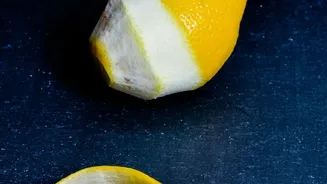
and a surprising amount of flavour, is discarded. By using the whole lemon, you not only get more value from your produce but also add a new dimension to your cooking. The peel contains essential oils that provide an intense, fragrant lemon flavour that you can't get from the juice alone. This practice isn't just about being resourceful; it's about unlocking deeper flavours and creating something delicious from what is typically considered waste. Making a chutney or preserve from the rinds is a traditional method of ensuring nothing is lost.
Tackling the Bitterness
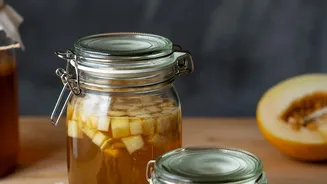
The main challenge when cooking with lemon peel, especially the white pith, is its natural bitterness. However, this is easily managed with a few simple techniques. One popular method is to boil the peels. Simply place the chopped peels in a pot of water, bring to a boil, simmer for a few minutes, and then drain. Repeating this process two or three times with fresh water will significantly reduce the bitterness. Another effective method, particularly for preserves, is to salt the peels. By tossing the finely chopped rinds with salt and letting them sit overnight, the salt draws out the bitter compounds and moisture, tenderising the peel and preparing it for cooking. For some Indian-style quick chutneys, boiling the whole lemon until it is soft is the first step, which also helps to mellow the peel's intensity.
A Basic Recipe for Lemon Rind Chutney
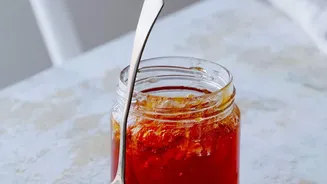
This recipe provides a fantastic base that you can customise to your liking. You will need the peels of about 4-5 large lemons, one cup of sugar, half a cup of vinegar, and your choice of spices. Start by preparing the peels using one of the methods above to reduce bitterness. Finely chop the treated peels. In a heavy-bottomed pan, combine the chopped peels, sugar, vinegar, and a splash of water. Bring the mixture to a simmer over medium heat. Now, it's time for the aromatics. Add a tablespoon of grated ginger, a teaspoon of red chilli powder, half a teaspoon of turmeric powder, and salt to taste. You can also add other spices like roasted coriander and fennel powder for a more complex flavour. Let the chutney simmer gently, stirring occasionally, until it thickens to a jam-like consistency. This can take anywhere from 30 to 45 minutes. The colour will deepen, and the flavours will meld into a beautiful sweet, sour, and spicy condiment.
Flavour Twists and Variations
The beauty of this chutney lies in its versatility. You can easily adjust the ingredients to suit your palate. For a sweeter preserve, add some jaggery along with the sugar or throw in a handful of raisins or chopped dates. If you prefer it spicier, increase the amount of red chilli powder or add a few slit green chillies. A tadka, or tempering, of mustard seeds and garlic sizzled in oil and poured over the finished chutney can add another layer of flavour, especially for South Indian-style preparations. Some recipes also incorporate finely chopped onions or apples, which are sautéed at the beginning to provide a base of sweetness and texture. Don't be afraid to experiment with whole spices like cinnamon sticks or cloves during the simmering process for a warm, aromatic kick.
Storing and Serving Your Creation
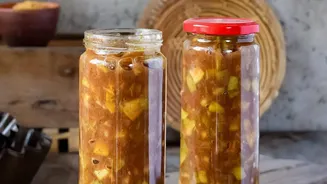
Once your chutney has thickened and cooled, it's time to store it. Spoon the chutney into clean, sterilised glass jars and seal them tightly. If prepared with enough oil or vinegar, which act as natural preservatives, this chutney can last in the refrigerator for several months. Some cooks recommend letting the chutney mature for a couple of weeks before using, as this allows the flavours to develop and deepen even further. This tangy and spicy preserve is incredibly versatile. It's a perfect accompaniment to parathas, theplas, and dosas. You can also serve it alongside dal and rice, use it as a zesty spread in sandwiches and wraps, or pair it with snacks like samosas and bhajias.