




Master Your Monsoon Packing
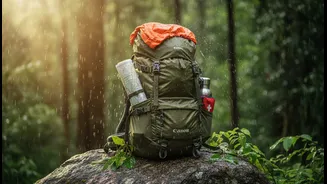
The key to enjoying the Ghats during the monsoon is staying relatively dry and comfortable. Pack lightweight, synthetic, quick-drying clothes. Cotton and jeans are a bad idea as they take forever to dry in the high humidity. A reliable waterproof jacket
or poncho is non-negotiable. To protect electronics, documents, and spare clothes, use waterproof pouches or dry bags inside your main luggage. A small microfibre towel is also a great addition, as it dries quickly and packs small.
Choose the Right Footwear
Your shoes can make or break your trip. Trails will be slippery, muddy, and uneven. Invest in a good pair of hiking shoes with excellent grip and ankle support. Waterproofing is a major plus. Avoid sneakers or open-toed footwear for treks, as they offer little protection and can lead to slips or injuries. For relaxing at your accommodation or short walks, a pair of sturdy sandals or floaters is useful.
Prepare for Leeches and Insects
During the monsoon, leeches are an unavoidable part of the rainforest experience. While their bites are painless and not dangerous, they can be unsettling. To prevent bites, wear leech-proof socks that go up to your knees, or tuck your trousers firmly into thick socks. Full-sleeved shirts and trousers also help protect against insect bites. Always carry a basic first-aid kit with antiseptic, bandages, and a good insect repellent. Sprinkling salt is an effective way to get a leech to detach.
Check Weather and Road Conditions
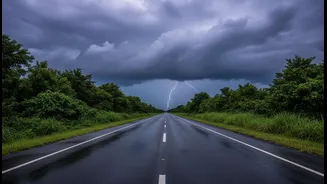
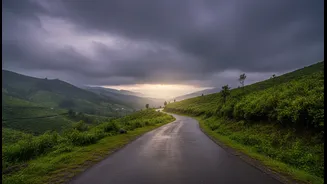
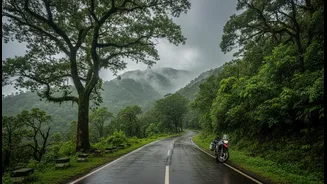
The monsoon brings life to the Ghats, but it can also bring landslides and roadblocks. Before you travel, and daily during your trip, check weather alerts from the India Meteorological Department (IMD) and road status from local authorities. Certain ghat sections, like Shiradi and Charmadi, are particularly prone to closures. Be prepared for travel delays and have a flexible itinerary. Avoid driving on ghat roads at night due to low visibility from fog and heavy rain.
Book Accommodations Wisely
While spontaneous trips are exciting, it's wise to book your stay in advance, especially during the popular monsoon season. Choose accommodations that are safely located and have reliable access roads. Before finalising, it doesn't hurt to call your hotel or homestay to ask about the current conditions in their immediate area. Many homestays and eco-lodges offer unique, localised experiences and are often run by knowledgeable hosts who can provide invaluable advice.
Stay Connected and Carry Cash
Mobile network coverage can be patchy to non-existent in many parts of the Western Ghats, especially in remote valleys and deep forests. Inform your family of your itinerary before you go. Download offline maps for navigation. While digital payments are common in towns, many smaller villages, local eateries, and entry points for treks or waterfalls may only accept cash. Always carry enough cash to cover your expenses for a couple of days.
Trek Safely and Responsibly
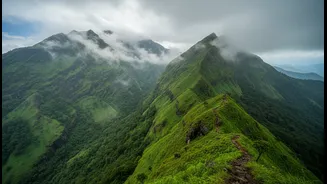
The trails of the Western Ghats are mesmerising but demand respect. Never trek alone on an unfamiliar path. It's always best to hire a local guide who knows the terrain, wildlife, and weather patterns. Stick to marked trails and do not venture into restricted forest areas. Be mindful of your surroundings; this is a biodiversity hotspot, home to everything from rare frogs to elusive big cats. Carry a reusable water bottle and ensure you leave no trace behind, especially plastics.