




The Rise of 'Exercise Snacking'
The concept of the five-minute workout, often called an 'exercise snack' or a micro-workout, is simple: short, concentrated bursts of physical activity sprinkled throughout your day. Instead of setting aside a large, intimidating block of time, you commit
to moving your body for just a few minutes, whenever you can. Think of it as fitness grazing rather than a three-course meal. This approach is designed to combat one of the biggest barriers to physical activity: a packed schedule. The idea is that making exercise more approachable and easier to integrate into daily life increases the likelihood that people will stick with it. A five-minute routine can serve as a potent dose of movement on a busy day or even as a warm-up for a longer session when you do have more time.
What Science Says About Short Bursts
You might be skeptical, but a growing body of research suggests that these mini-workouts are more than just a passing trend. Studies show that the key isn't always the duration of the exercise, but the intensity. Short bursts of vigorous activity have been linked to significant health benefits, including improved cardiorespiratory fitness, which is a measure of how well your heart and lungs perform during exercise. Research has also shown that these brief sessions can help improve blood pressure and regulate blood sugar levels, especially when used to break up long periods of sitting. Even just a few minutes of intense movement can trigger the release of endorphins, boosting your mood and helping to alleviate stress and anxiety.
Managing Your Expectations
While the benefits are real, it's crucial to have realistic expectations. A five-minute daily workout is not a magic bullet. It won't prepare you to run a marathon or help you build massive muscle mass like a dedicated strength training program would. The goal of 'exercise snacking' is not to replace longer, more structured workouts entirely, but to supplement them and ensure consistency. Think of it as a tool for health maintenance and habit formation. Experts emphasize that consistency is key; performing brief workouts regularly is far more beneficial than one long session every few weeks. These short sessions are powerful for building momentum and confidence, making them an excellent entry point for those new to exercise or returning after a break.
The Concrete Benefits You Can Expect
So, what can you realistically achieve? Committing to regular five-minute workouts can lead to noticeable improvements. You can expect a boost in your mood and mental clarity almost immediately after a session. Consistently performing these workouts can lead to better metabolic health, including lower triglyceride levels—a type of fat in your blood that can increase cardiovascular risk. Over several weeks, you may notice improvements in your muscular endurance and power, such as being able to do more push-ups or climb stairs with less effort. Perhaps the most significant benefit is the habit itself. By proving to yourself that you can find five minutes, you lower the mental barrier to exercise and make physical activity a non-negotiable part of your routine.
How to Build an Effective 5-Minute Routine
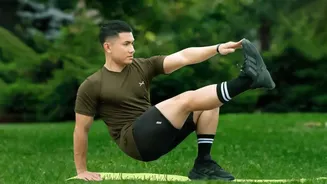
To make the most of your five minutes, focus on intensity and efficiency. High-Intensity Interval Training (HIIT) is a perfect model, alternating short periods of all-out effort with brief rest. For instance, you could do 40 seconds of an exercise followed by 20 seconds of rest. Focus on compound movements that work multiple muscle groups at once, such as squats, lunges, push-ups, and planks. A sample routine could be: 1. Jumping Jacks (60 seconds) 2. Squats (60 seconds) 3. Push-ups or wall push-ups (60 seconds) 4. Lunges (60 seconds) 5. Plank (60 seconds). You don't need any special equipment; your own body weight provides plenty of resistance to start. The goal is to get your heart rate up and feel breathless by the end of each interval.