


A Healthier Twist on a Classic Treat
The humble brownie, long celebrated for its decadent, gooey centre, is at the heart of a quiet culinary revolution. A growing number of pastry chefs and health-conscious bakeries are reimagining the dessert by replacing all-purpose refined flour (maida)
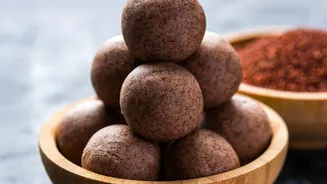
with finger millet (ragi) flour. This shift is part of a larger movement that sees modern Indian cuisine embracing its agricultural roots. Once considered a rustic staple, ragi is now being celebrated for its versatility and significant health advantages, turning an indulgent treat into a more balanced one.
The Nutritional Power of Ragi
So, why ragi? The nutritional benefits are compelling. Compared to refined wheat flour, which loses nutrients during processing, ragi is a whole grain powerhouse. It is exceptionally rich in calcium, containing significantly more than other cereals, making it excellent for bone health. Furthermore, it is packed with dietary fibre, which aids digestion and promotes a feeling of fullness, helping to manage cravings. For individuals managing blood sugar levels, ragi's low glycemic index is a major advantage, as it helps prevent the sharp spikes often associated with refined flour-based sweets.
It’s All About Flavour and Texture
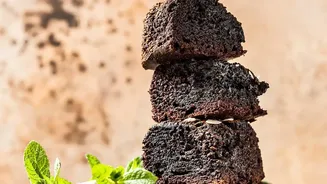
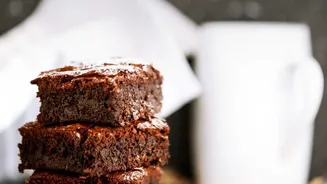
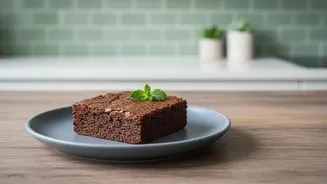
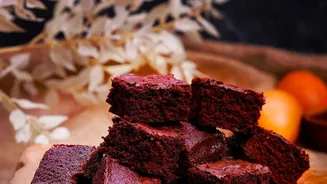
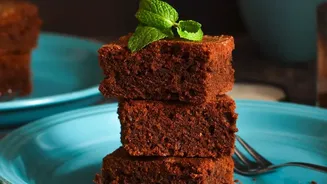
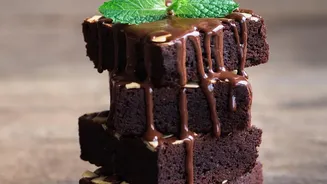
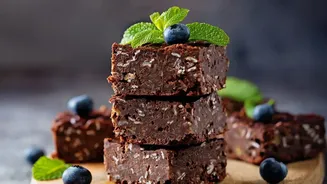
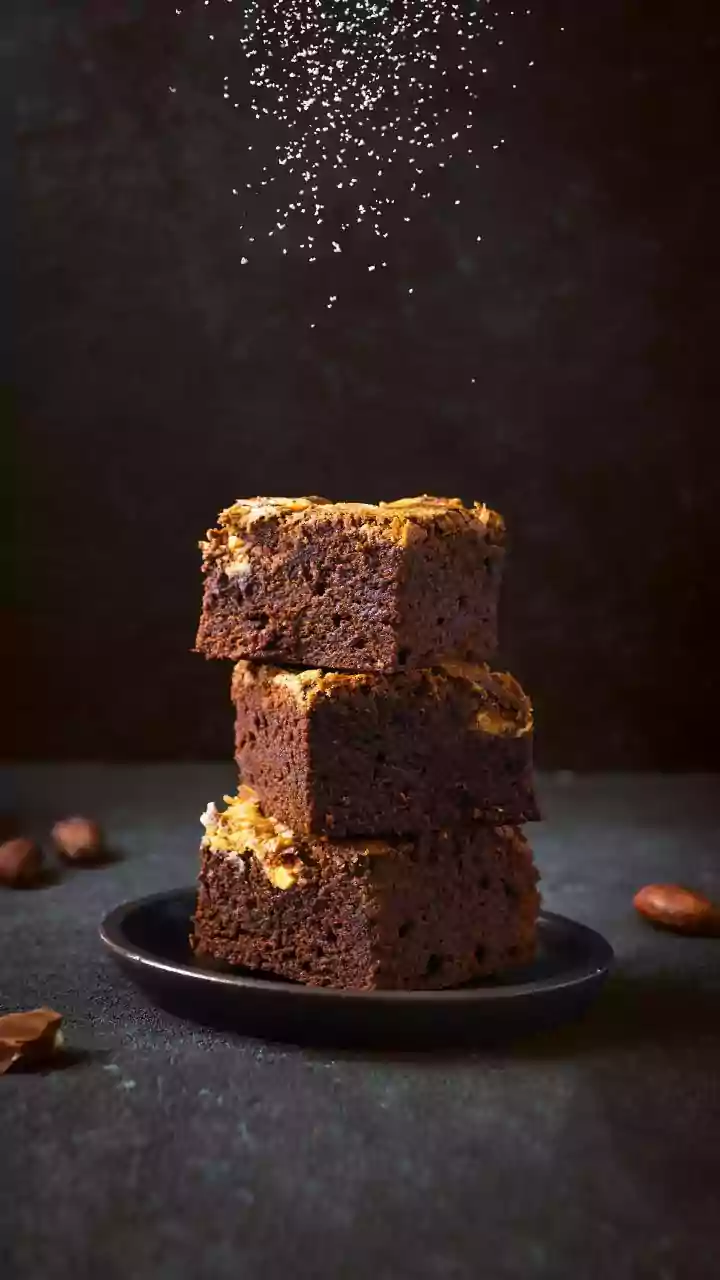
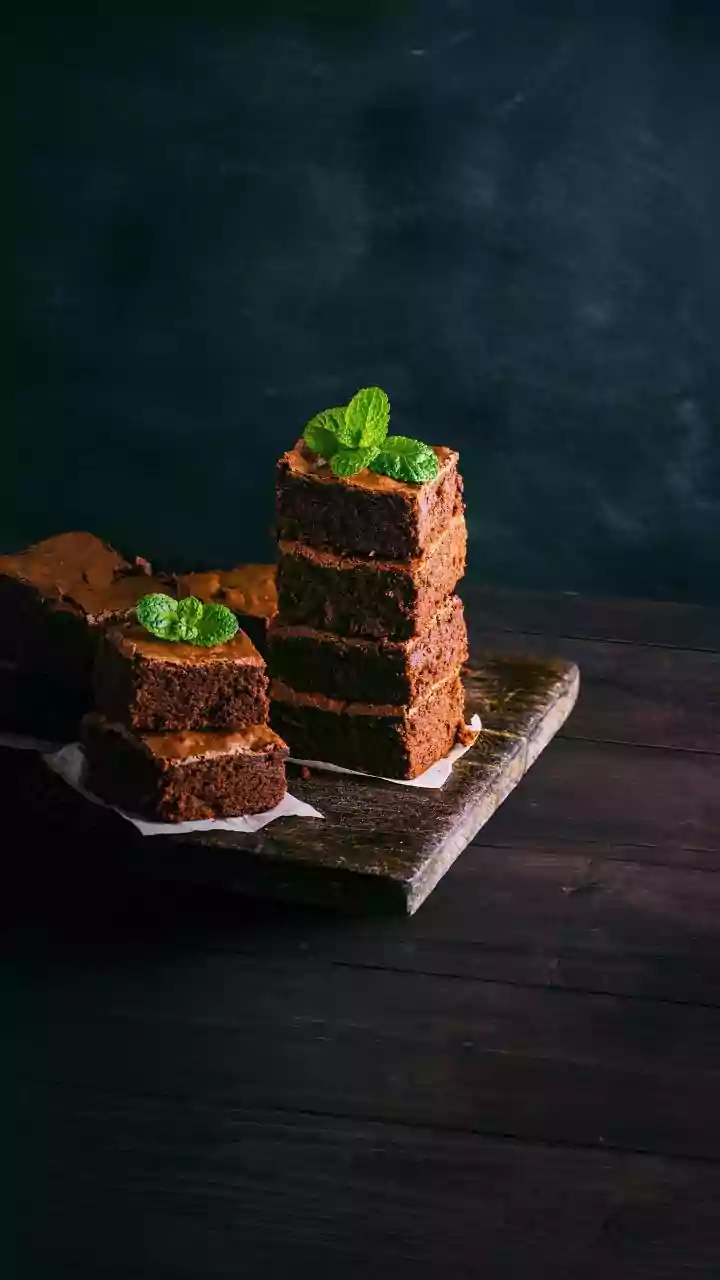
This trend is not just about making brownies healthier; it is also about creating a more complex and satisfying dessert. Ragi flour imparts a unique flavour profile that enhances the richness of chocolate. It has a naturally nutty and slightly earthy taste that pairs beautifully with cocoa. When it comes to texture, ragi's properties are a perfect match for what many seek in a brownie. As it lacks gluten and tends to retain more moisture, it helps create a final product that is incredibly moist, dense, and fudgy—qualities that define an exceptional brownie. This dense crumb is a feature that chefs are using to their advantage, creating a truly decadent experience.
The Baker’s Craft
Swapping refined flour for finger millet is not a simple one-to-one substitution. Baking is a science, and ragi behaves very differently from wheat flour. Since it is gluten-free, it doesn't provide the same structure or elasticity. Chefs have to carefully adjust their recipes, often changing the ratios of liquid and leavening agents to achieve the right consistency. Some bakers use a blend of ragi and another flour, like whole wheat, to create a slightly lighter texture, while others have perfected 100% ragi recipes that lean into the grain's natural density. This technical challenge is sparking innovation, leading to new and creative approaches to gluten-free baking.
A Return to Traditional Grains
The rise of the ragi brownie reflects a broader cultural shift in India. There is a growing appreciation for indigenous ingredients that were once staples before the Green Revolution made wheat and rice dominant. Chefs and consumers alike are rediscovering the value of millets, not just for their health benefits but also for their sustainability and deep-rooted history in Indian food culture. This is not about completely abandoning wheat but about reintroducing diversity to the modern Indian plate. By incorporating grains like ragi into popular and even luxurious foods like brownies, chefs are making tradition trendy and celebrating India’s rich agricultural heritage.