




What Exactly Is Fluted Design?
Fluted glass, also known as reeded or ribbed glass, is a type of decorative glass with vertical grooves. This textured pattern is created by pressing semi-molten glass between rollers. The result is a semi-transparent surface that distorts the view through
it, providing a balance of privacy and light. While the terms fluted and reeded are often used interchangeably, they both refer to this vintage-inspired yet modern material that adds texture and elegance to any interior. Fluted panels made from materials like MDF or PVC offer a similar visual effect and are used on walls, furniture, and cabinetry.
Clear Glass Puts Clutter on Display
Clear glass is a popular choice for storage cabinets because it can make a space feel lighter and more open. However, its complete transparency is a double-edged sword. It demands perfect organization at all times. Every misplaced item or stack of mismatched crockery is on full view, which can contribute to a sense of visual clutter, especially in a small home where space is already at a premium. Clear glass works wonderfully for curated collections and displays, but for everyday storage, it often reveals more chaos than we'd like. It also readily shows fingerprints and smudges, requiring constant cleaning to look its best.
The Magic of Obscurity and Light
This is where fluted glass truly shines. Its primary advantage is its ability to obscure vision while still allowing light to pass through. The vertical ribs distort the shapes of objects behind them, turning potential clutter into a soft, blurred silhouette. This means you get the benefit of concealed storage without the heaviness of a solid, opaque door. In compact homes, this is crucial. The glass maintains a sense of openness and lets natural light travel between spaces, which can make a small room feel larger and brighter. You can hide the mess in your kitchen cabinets or service yard without sacrificing that airy, uncluttered feeling.
More Than Just Hiding Clutter
The benefits of fluted glass go beyond simple concealment. The texture itself is a powerful design element. The vertical lines draw the eye upward, creating an illusion of height that can make rooms with low ceilings feel taller. This textural detail adds depth and visual interest to flat surfaces, elevating a simple cabinet or partition into a statement piece. Furthermore, fluted glass diffuses light beautifully, scattering it to reduce glare and create a soft, ambient glow. This interplay of light and texture brings a sense of movement and sophistication that plain clear glass cannot match.
Smart Ways to Use Fluted Panels
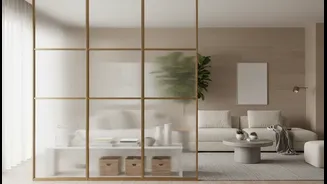
Fluted designs are incredibly versatile. In the kitchen, they are perfect for upper cabinet doors, pantry doors, or even as a backsplash in dry areas. In bathrooms, fluted glass shower screens offer privacy while keeping the space feeling open and spa-like. They can be used as elegant room dividers in open-plan apartments to create zones without building solid walls. Think of a sliding fluted panel to separate a home office nook from the living room. Even furniture gets an upgrade, with fluted panels transforming media units, wardrobes, and sideboards into chic, high-end pieces.
A Few Things to Keep in Mind
While fluted glass has many advantages, there are some practical considerations. It is typically more expensive than clear glass, sometimes by a significant margin. The grooves that give the glass its character can also trap dust and grime, potentially making it more difficult to clean than a flat surface, especially in kitchens or bathrooms. Additionally, the irregular surface can make it slightly less strong than a solid pane of the same thickness, so it's important to ensure it's handled and installed correctly.