



The Burnout From 'See It All' Travel
Remember the classic holiday itinerary? A blur of museums, monuments, and bus tours, all meticulously scheduled to maximise sights seen per day. It’s a vacation model built on checklists and bragging rights, often leaving travellers more exhausted than
when they left. For many couples, this frantic pace can create more stress than connection. The pressure to navigate crowded tourist spots, stick to a rigid timeline, and capture the perfect photo can easily overshadow the goal of spending quality time together. This 'checklist tourism' is facing a quiet rebellion from those who crave genuine experience over a packed schedule.
The Rise of Slow, Intentional Experiences
Enter slow travel. It’s not just about taking longer trips; it's a mindset focused on connection—with the local culture, the environment, and each other. Instead of rushing through a city’s top ten attractions, couples are seeking out activities that offer immersion and participation. The goal is no longer just to 'see' a place, but to 'be' in it. This shift prioritises depth over breadth. A single afternoon spent learning to cook a regional dish offers a richer, more memorable cultural exchange than a dozen fleeting photo stops. It’s a move from passive consumption to active engagement, transforming travel from a performance into a personal journey.
Cooking Up a Deeper Connection
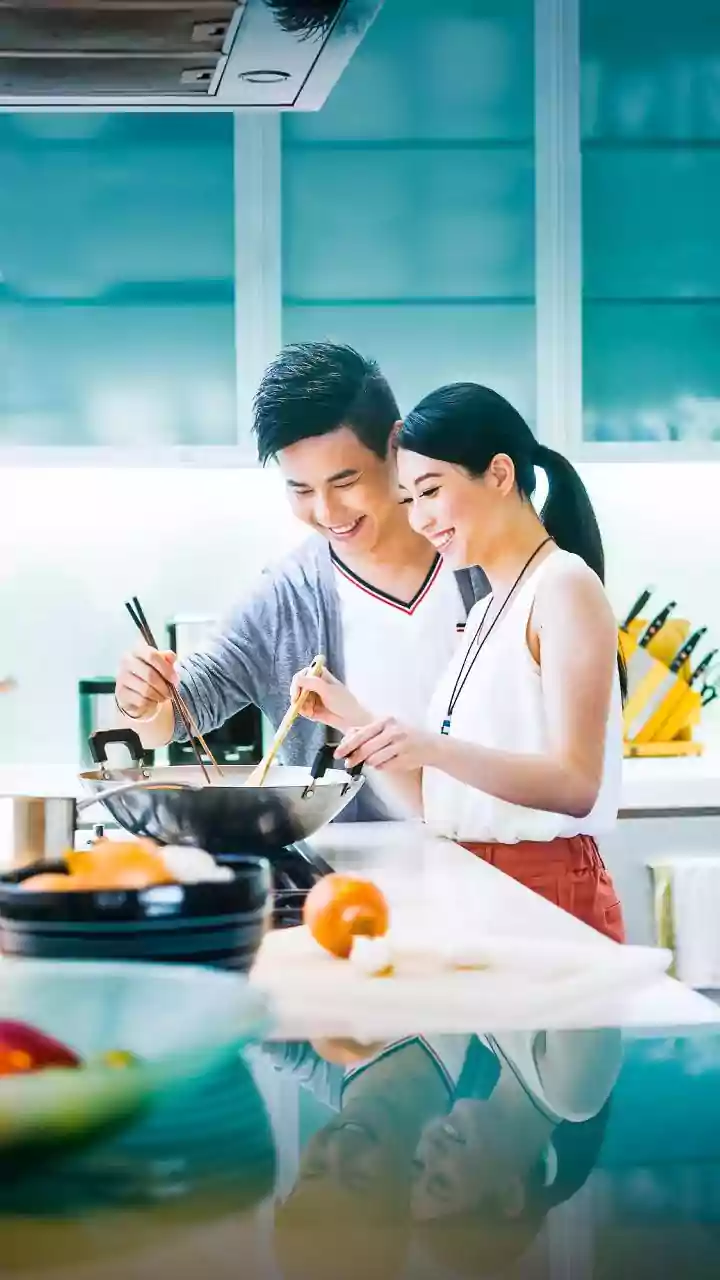
Among the most popular of these new experiences are cooking classes, and for good reason. Cooking together is a powerful bonding activity. It requires communication, teamwork, and a shared focus. You learn to rely on each other, whether it's chopping vegetables in unison or figuring out a foreign-language recipe together. There's a playful, sensory aspect to it—the smell of fresh herbs, the texture of dough, the taste of a dish you created side-by-side. Unlike a silent museum tour, a cooking class is an interactive dialogue. It fosters collaboration and creates a shared sense of accomplishment, reinforcing the partnership in a fun, low-stakes environment.
Why Plant-Based Is on the Menu
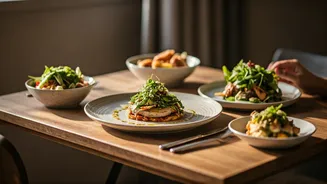
The specific focus on 'plant-based' cooking classes is no accident. It taps into several powerful contemporary trends. Firstly, there's the global movement towards wellness and mindful eating. Couples are increasingly health-conscious and see vacation as a time to nourish their bodies, not just indulge. Secondly, plant-based cooking aligns with growing concerns about sustainability and environmental impact, making it a choice that feels ethically good. Finally, for many, plant-based cuisine is new and exciting. Learning to create flavourful, complex dishes without meat or dairy is a valuable and modern skill, making the class feel both adventurous and practical.
The Souvenir You Can Take Home
Perhaps the most profound benefit is that the experience doesn’t end when the holiday does. A carved souvenir might gather dust on a shelf, but a recipe is a living memory. The skills learned in a plant-based cooking class in Goa or Tuscany can be replicated in your own kitchen back home. Every time a couple recreates that meal, they are not just cooking dinner; they are reliving a shared memory, reinforcing the bond forged on their trip. It transforms a simple vacation activity into a lasting ritual. This souvenir can’t be bought in a gift shop—it’s an experience that becomes integrated into the fabric of the relationship itself.