





The Power of Bodyweight Basics
The foundation of any effective small-space workout is your own body. Bodyweight exercises are incredibly versatile and can be scaled for any fitness level. The key is focusing on compound movements—exercises that work multiple muscle groups and joints
simultaneously. Think of exercises like squats, push-ups, and lunges. These movements are efficient, burning more calories and building functional strength that translates to everyday activities. Unlike isolation exercises that target a single muscle, compound moves give you a full-body workout in less time, making them perfect for a minimalist routine. They also improve coordination, balance, and core stability, which are crucial for overall fitness and injury prevention.
Your Foundational Movements
To build a balanced routine, focus on a few core movements that cover all your major muscle groups. You don't need a long list of complicated exercises; mastery of the basics is far more effective. Start with these four:1. Squats: The ultimate lower-body exercise, squats target your quadriceps, hamstrings, and glutes. Keep your chest up and back straight as you lower yourself as if sitting in a chair.2. Push-ups: A classic for a reason, push-ups build strength in your chest, shoulders, and triceps, while also engaging your core. If a standard push-up is too difficult, start on your knees or perform them against a wall.3. Lunges: Perfect for small spaces, lunges work your legs and glutes while challenging your balance. You can do them forward, in reverse, or even walking if you have a clear path.4. Planks: This is a total-body exercise that builds immense core strength, which is the foundation for almost every other movement. Try to hold for 30-60 seconds, keeping your body in a straight line from head to heels.
Turn Up the Intensity with HIIT
To maximize calorie burn and improve cardiovascular health, incorporate High-Intensity Interval Training (HIIT) into your routine. HIIT involves short bursts of all-out effort followed by brief recovery periods. This method is incredibly efficient, allowing you to get a highly effective workout in just 10-20 minutes. Because most HIIT exercises are bodyweight-based, they require very little space. A simple HIIT workout could look like this: perform an exercise like squat jumps or mountain climbers for 30 seconds, rest for 15 seconds, and then move to the next exercise. A full circuit might only take a few minutes, but repeating it 3-4 times will leave you feeling accomplished and energized.
Minimal Equipment, Maximum Impact
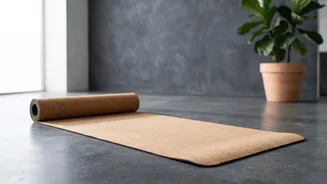
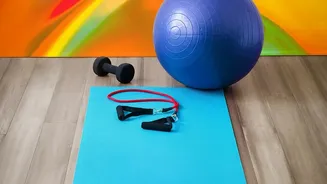
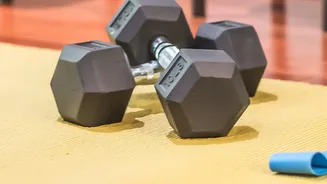
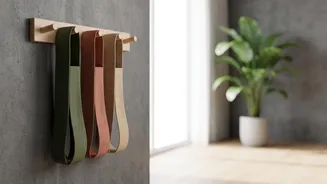
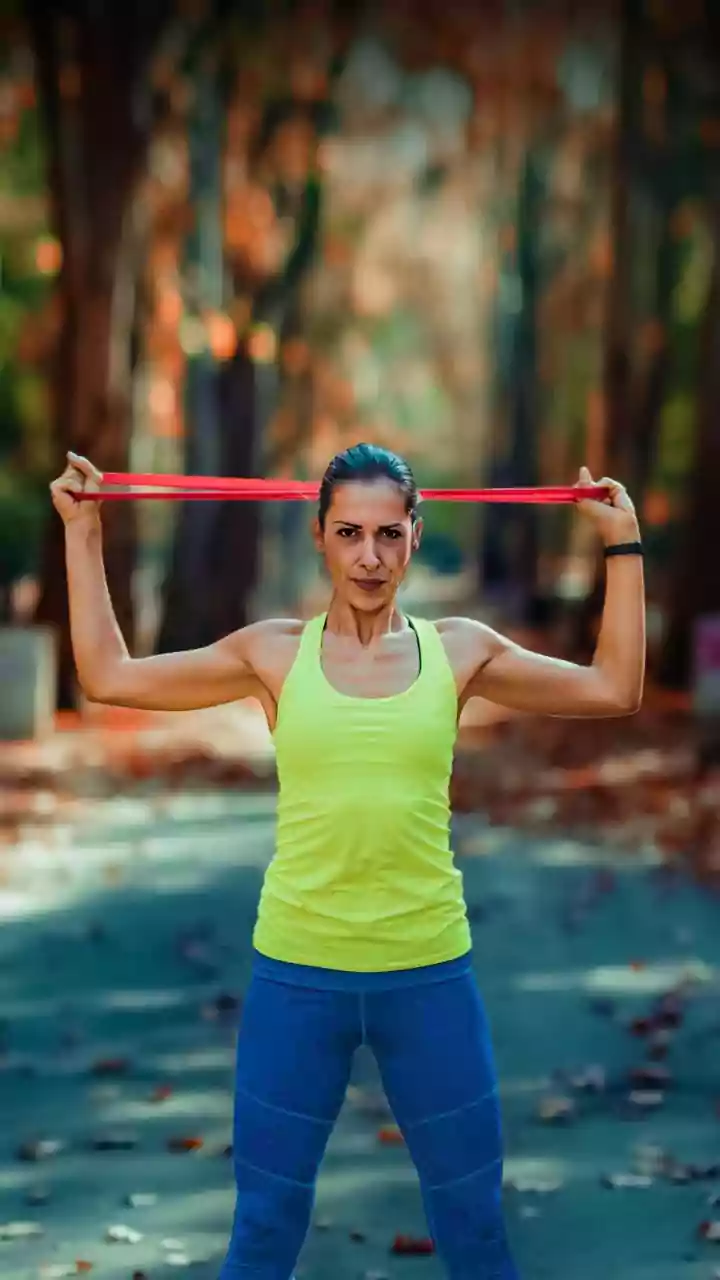
While you can get a fantastic workout with just your bodyweight, a few small pieces of equipment can elevate your results without cluttering your home. Resistance bands are affordable, versatile, and take up almost no space. They can add challenge to exercises like squats and glute bridges. Another great option is a set of adjustable dumbbells. They replace an entire rack of weights in a compact design, allowing you to progressively increase the load as you get stronger. Finally, a simple yoga mat can make floor exercises like planks and push-ups more comfortable.
Structuring Your Weekly Workouts
Consistency is more important than intensity when you're starting out. Aim for 3-4 workouts per week on non-consecutive days to allow your muscles time to recover. Here’s a sample weekly plan:Day 1: Full Body Strength. Perform 3 sets of 10-15 reps of squats, push-ups, lunges, and a plank.Day 2: Rest or Active Recovery. Go for a walk or do some light stretching.Day 3: HIIT Day. Choose 4-5 exercises (like burpees, high knees, and mountain climbers). Perform each for 45 seconds with 15 seconds of rest in between. Repeat the circuit 3-4 times.Day 4: Rest.Day 5: Full Body Strength. Repeat your Day 1 workout, but try to increase the reps or add a fourth set.Days 6 & 7: Active Recovery and Rest.