






Cotton: The Breathable Classic
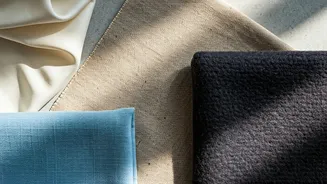
Cotton is a go-to for its breathability, which is a major advantage in the sticky, humid weather that defines the Indian monsoon. It allows air to circulate, keeping you cool and reducing that damp feeling. While pure cotton can absorb moisture and take
a while to dry, opting for cotton blends with polyester or rayon can give you the best of both worlds: the comfort of cotton with faster drying times. To avoid any transparency issues when caught in a shower, it's wise to choose darker colours or vibrant prints over whites and pastels. A simple cotton kurta, a classic shirt, or a pair of relaxed cotton shorts can be the foundation of a smart and comfortable monsoon look.
Rayon: The Fast-Drying and Fluid Choice
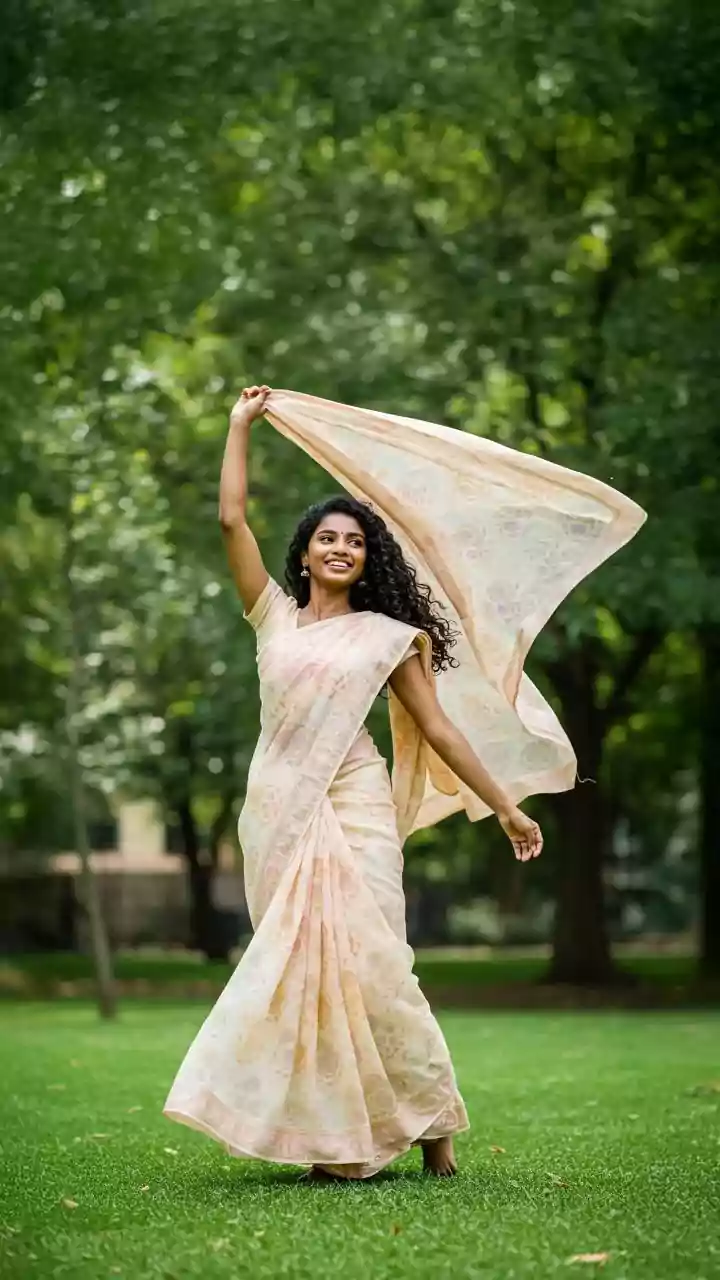
Rayon is a semi-synthetic fabric praised for its lightweight feel and silky texture, making it an excellent choice for the rainy season. It drapes beautifully and doesn't cling to the body, which is a significant plus when the air is heavy with moisture. One of rayon's biggest advantages is its ability to dry quickly, making it a practical option for daily wear, from work-appropriate blouses to flowing dresses and kurtis. Its moisture-absorbent quality helps manage sweat in the humidity, keeping you comfortable throughout the day. While it can be prone to wrinkling, many modern rayon blends are designed to resist creases, offering a polished look with minimal fuss.
Linen: The Cool and Airy Staple
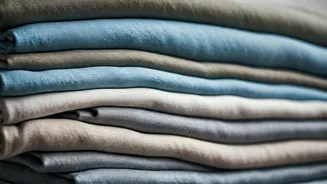
Often associated with summer heat, linen is also a surprisingly effective fabric for the monsoon. Made from flax fibres, it is exceptionally breathable and known for its moisture-wicking properties, pulling dampness away from the skin. This allows you to stay cool even on the most humid days. Linen also dries very quickly, a crucial feature for any clothing worn during unpredictable showers. While its tendency to crease is well-known, this can be embraced as part of its relaxed, natural charm. A linen shirt paired with trousers or a simple linen dress provides an effortlessly chic aesthetic that is both stylish and practical for the season.
Synthetic Blends: The Practical Performers
Modern synthetic fabrics like polyester, nylon, and microfiber have earned their place in the monsoon wardrobe for purely practical reasons. These materials are inherently water-resistant and exceptionally quick to dry. A lightweight nylon or polyester jacket is an indispensable layering piece, offering protection from rain without the bulk of a traditional raincoat. While 100% synthetic garments can sometimes lack breathability, blends that mix polyester or nylon with cotton create a fabric that offers both comfort and performance. These technical fabrics are also great for bottoms, as they won't get heavy and cling when splashed by puddles.
Putting It All Together: Monsoon Styling Tips
Beyond choosing the right fabric, a few styling strategies can make a big difference. Opt for shorter hemlines like midi dresses, culottes, and cropped trousers to avoid dragging your clothes through muddy puddles. Embracing bright, cheerful colours or bold prints can lift your spirits on gloomy days and help camouflage any minor splashes. Layering should be light; think of a thin shrug or a waterproof windbreaker over a simple top. Finally, complete your outfit with the right footwear. Waterproof options like rubber sandals, sliders, or boots are essential for keeping your feet dry and navigating wet streets safely.