




In the endless search for healthier snack options, we often overlook the powerhouse ingredients in our own backyards. Enter the banana flower, a traditional gem that packs more dietary fibre than many popular refined flour snacks.
The Forgotten Vegetable
Known as 'mochar' in
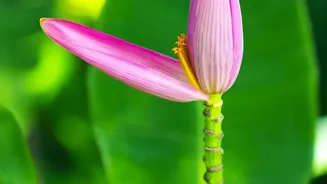
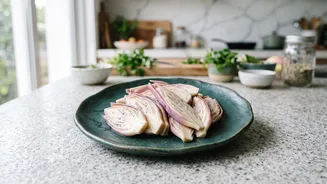
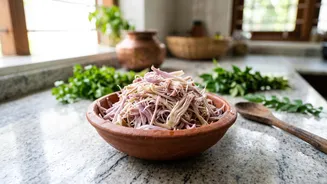
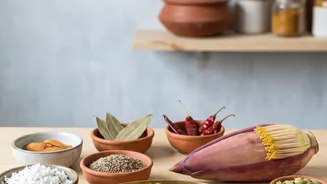
Bengali or 'vazhaipoo' in Tamil, the banana flower (or blossom) is the large, purplish, tear-drop-shaped flower that grows at the end of a banana fruit cluster. While the fruit gets all the attention, this flower has been a staple in South and Southeast Asian cuisine for centuries. Often treated as an agricultural byproduct, its culinary and nutritional potential is immense. From stir-fries to curries, its flaky texture and slightly bitter, nutty taste make it a versatile and unique ingredient that has been cherished in traditional Indian households for generations.
The Fibre Showdown: Flower vs. Flour
The central claim holds true: banana flower is a fibre champion. A 100-gram serving of fresh banana flower contains approximately 5.7 grams of dietary fibre. In stark contrast, refined wheat flour, or maida—the base for countless popular snacks like samosas, kachoris, and biscuits—contains only about 2.7 to 3 grams of fibre per 100 grams. This means banana flower offers nearly double the amount. This fibre is a mix of both soluble and insoluble types. Soluble fibre helps manage blood sugar and cholesterol, while insoluble fibre aids digestion and promotes a feeling of fullness, which can help in weight management.
Why Refined Flour Falls Short
The problem with refined flour snacks isn't just their lower fibre content. The refining process strips wheat of its bran and germ, removing not just fibre but also essential nutrients like iron, B vitamins, and magnesium. What's left is mostly starch, which the body quickly converts to sugar. This can lead to rapid spikes in blood sugar and energy crashes, leaving you hungry again soon after. While delicious, a diet heavy in maida-based products often provides 'empty calories' without the sustained energy and digestive benefits that fibre-rich foods like the banana flower provide.
A Treasure Trove of Nutrients
Beyond fibre, the banana flower is packed with a surprising range of health benefits. It's a rich source of potassium, magnesium, and iron, which can help combat anaemia. The flower also contains essential vitamins like A, C, and E, alongside powerful antioxidants such as flavonoids and tannins. These compounds help protect the body against cellular damage from free radicals, potentially reducing the risk of chronic diseases. Some studies also suggest benefits for kidney function, mood improvement due to its magnesium content, and even support for menstrual wellness.
Bringing Banana Flower to Your Table
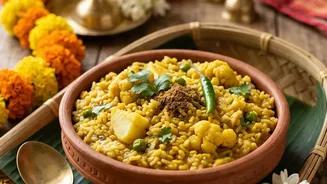
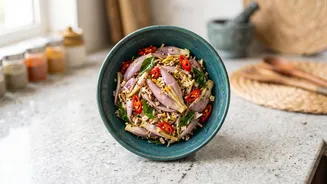
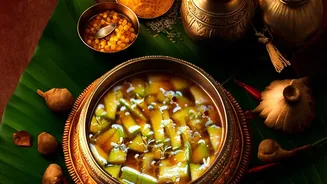
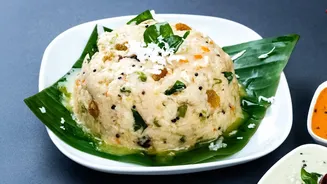
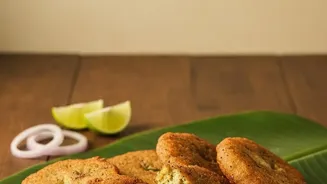
Incorporating banana flower into your diet is easier than you might think. Cleaning it can seem daunting, as it involves removing the outer bracts and the inedible parts of the florets, but the effort is well worth it. In South India, 'Vazhaipoo Poriyal' is a popular stir-fry made with chopped banana flower, coconut, mustard seeds, and lentils. In Bengal, 'Mochar Ghonto' is a celebrated dry curry, often cooked with potatoes and aromatic spices. You can also find banana flower used in cutlets, chutneys, and even chips, offering a crunchy, healthy alternative to packaged snacks. These dishes transform the humble blossom into a flavourful and deeply satisfying part of any meal.