





Embrace the Power of Layering
One of the most common mistakes in small spaces is relying on a single, harsh overhead light. This tends to cast unflattering shadows that can make a room feel smaller and more boxed-in. The solution is to layer your lighting, combining three distinct
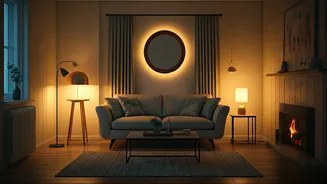
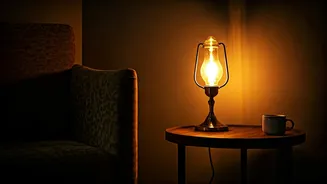
types to create depth and dimension. Start with ambient light, the room's overall illumination, from sources like flush-mount ceiling fixtures. Next, add task lighting for specific activities like reading or cooking, using desk lamps or under-cabinet lights. Finally, incorporate accent lighting, such as picture lights or wall sconces, to highlight artwork or architectural features, guiding the eye around the room and creating visual interest.
Think Vertically to Draw the Eye Upward
When floor space is precious, using vertical space is key. Wall-mounted sconces are a perfect example, as they provide light without taking up room on floors or tables. Placing them on either side of a sofa or bed creates a sophisticated, balanced look. Tall, slim floor lamps tucked into corners can also work wonders, pushing light upward and making ceilings appear higher. This technique, known as uplighting, eliminates the shadows that gather near the ceiling, which often contribute to a closed-in feeling. By drawing the eye upward, you create an illusion of height and spaciousness.
Choose the Right Bulb Temperature
The colour of your light, measured in Kelvins (K), dramatically affects a room's mood. For living areas and bedrooms where you want a cozy, welcoming feel, opt for warm white bulbs in the 2700K to 3000K range. This soft, yellowish glow is relaxing and inviting. In spaces that get little natural sun, these warmer tones can help balance the lack of daylight and prevent the room from feeling stark. For kitchens or home offices where you need to see clearly, a more neutral white light (around 4000K) is often better. Consistency is important in a small home; mixing warm and cool lights in the same visual plane can be jarring.
Maximise Natural Light
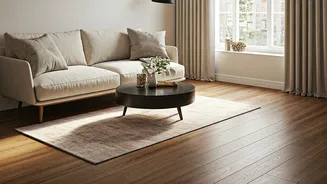
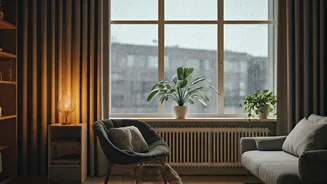
No artificial bulb can truly replicate the uplifting quality of natural sunlight. To make the most of what you have, avoid heavy, dark curtains that absorb light. Instead, choose sheer or light-filtering fabrics that allow daylight to pour in while maintaining privacy. Keep your windows clean and ensure they aren't blocked by large pieces of furniture. The goal is to let as much light in as possible, as this will always make a room feel bigger and less confined.
Use Mirrors to Amplify Light
Mirrors are a designer's best friend in a small space for a reason: they are one of the most effective tools for making a room feel larger and brighter. When placed strategically, a mirror reflects both natural and artificial light, effectively doubling its impact. The classic trick is to hang a large mirror directly opposite a window to bounce daylight deeper into the room. You can also place one behind a lamp or near a light fixture to amplify its glow after dark. Even mirrored furniture or decor can help disperse light and create an illusion of depth.
Select Fixtures That Don't Crowd the Space
In a small home, the physical and visual weight of your fixtures matters. Bulky chandeliers or large, dark lampshades can overwhelm a room. Instead, opt for fixtures with a lighter profile. Clear glass or open-frame designs allow you to see through them, which helps maintain a sense of openness. Recessed lighting is another excellent option because the fixtures are embedded in the ceiling, taking up zero visual space while providing broad illumination. When in doubt, choose lamps with compact designs and simple lines that add light without adding clutter.