







What is HIIT?
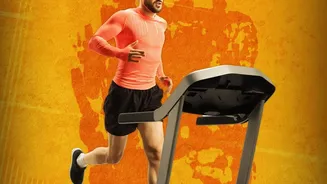
High-Intensity Interval Training (HIIT) is all about efficiency. It involves short, explosive bursts of all-out effort followed by brief periods of rest or low-intensity recovery. Think 30 seconds of sprinting, followed by 60 seconds of walking, repeated
for 15-20 minutes. The goal is to push your heart rate to 80% or more of its maximum capacity during the intense intervals. This method is famous for its "afterburn effect," known as Excess Post-Exercise Oxygen Consumption (EPOC), where your body continues to burn calories at an elevated rate for hours after the workout is over. Because it's so demanding, HIIT sessions are typically short, making them a popular choice for those with packed schedules.
What is LISS?
Low-Intensity Steady-State (LISS) cardio is the opposite of HIIT. It involves performing an aerobic activity at a low-to-moderate, consistent pace for a longer duration, usually 30 to 60 minutes. During a LISS workout, your heart rate remains steady at around 50-70% of its maximum. Think of a brisk walk, a leisurely bike ride, or a steady swim where you can comfortably hold a conversation. LISS is less demanding on the body, making it a great option for beginners, for active recovery days, or for those who prefer a more meditative and less stressful form of exercise. It primarily uses fat for fuel during the workout itself and is excellent for building endurance.
The Desk Job Dilemma: Time vs. Stress
Working a desk job presents a unique set of challenges. Long hours sitting can lead to a sedentary lifestyle, while high-pressure environments contribute to mental and physical stress. The question isn't just about which workout is 'better,' but which one best solves your specific problem. Are you so short on time that a 20-minute workout is all you can manage? Or are you so stressed that an intense workout feels more like a punishment than a release? HIIT's main advantage is its time-efficiency, offering significant cardiovascular benefits in a fraction of the time of a LISS session. Conversely, LISS provides a lower-impact, stress-reducing alternative that can be easier to stick with long-term and can help counteract the mental fatigue of a long workday.
Choose HIIT If...
You should lean towards HIIT if your primary goal is to get the maximum calorie burn in the minimum amount of time. It’s the perfect fit for a packed schedule. If you have only 20-30 minutes during your lunch break or before your day starts, HIIT delivers a powerful punch. It’s also highly effective at improving cardiovascular health and increasing your metabolism. However, be mindful that its high-impact nature carries a greater risk of injury, especially for beginners or those with joint issues. Due to its intensity, HIIT workouts are best performed only 2-3 times per week to allow for adequate recovery.
Choose LISS If...
LISS is likely your best bet if you're new to fitness, recovering from an injury, or simply prefer a less intense workout. Because it’s gentler on the joints, it's an activity you can do more frequently. If you find exercise to be a great way to de-stress and clear your head after a taxing day at the office, a 45-minute walk or bike ride can be far more beneficial for your mental well-being than a punishing HIIT session. LISS is also excellent for building a solid fitness base and improving your body's ability to use fat as a fuel source. Its main drawback is the time commitment required to see results.
The Best of Both Worlds
Ultimately, you don't have to choose just one. The most effective fitness routine for many people involves a combination of both HIIT and LISS. This approach allows you to reap the time-saving metabolic benefits of HIIT while using LISS for active recovery, endurance building, and stress management. For example, you could schedule two HIIT sessions during the week on your busiest days and two longer LISS sessions on the weekend or on days when you need a mental break. Listening to your body is key; if you feel burnt out, a gentle LISS session is always a better choice than forcing a high-intensity workout and risking injury.