





The Modern Malaise of Burnout
Burnout is more than just feeling tired; it’s a state of emotional, physical, and mental exhaustion caused by prolonged stress. For millennials navigating high-pressure jobs, constant connectivity, and the pressure to succeed, it has become an epidemic.
Symptoms manifest as chronic fatigue, anxiety, insomnia, irritability, and a feeling of detachment. According to Ayurveda, this state is often linked to an aggravated Vata dosha, which governs the nervous system. When Vata is out of balance due to overwork and sensory overload, it can lead to racing thoughts, poor sleep, and a depleted sense of vitality, or 'Ojas'.
Why Monsoon is Ayurveda’s Magic Season
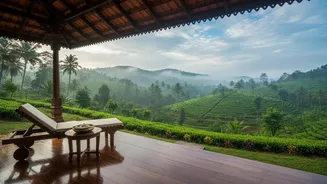
In Kerala, the monsoon season, or 'Karkidakam' (mid-July to mid-August), is considered the most sacred and effective time for healing. This isn't just folklore; there's a science to it. The cool, humid climate during the monsoon naturally softens the skin and opens up the body's channels (srotas). This makes the skin more receptive to medicated oils and therapies, allowing them to penetrate deeper into the tissues for maximum effect. The body’s metabolism also naturally slows down, creating the perfect internal environment for detoxification and rejuvenation. This seasonal therapy, known as Karkidaka Chikitsa, is designed to work in harmony with nature to cleanse, heal, and restore the body and mind when they are most receptive.
Panchakarma: The Ultimate System Reset
At the heart of Karkidaka Chikitsa is Panchakarma, Ayurveda’s signature detoxification process. It’s not a single treatment, but a sequence of five therapeutic actions designed to flush out accumulated metabolic toxins, known as 'Ama'. For someone experiencing burnout, this process acts as a comprehensive reset button for the body and mind. Therapies like Abhyanga (a rhythmic, warm oil massage) and Swedana (herbal steam therapy) are used to prepare the body, lubricating it and directing toxins for elimination. The full Panchakarma protocol helps to reduce cortisol levels, calm the nervous system, improve sleep, and restore mental clarity, addressing the root causes of exhaustion and stress.
Key Therapies for a Stressed-Out Nervous System
Beyond the full Panchakarma, specific treatments are particularly effective for burnout. Shirodhara is perhaps the most powerful therapy for mental exhaustion. It involves a continuous stream of warm, medicated oil being poured onto the forehead, a process that calms the central nervous system, reduces anxiety, and is known to induce a state of deep, meditative relaxation. Abhyanga, the full-body oil massage, does more than just relax muscles; it soothes an aggravated Vata dosha, calms the nervous system, and improves circulation. These treatments directly counteract the 'fight-or-flight' state that characterises chronic stress, promoting profound rest and emotional stability.
A Holistic Approach to Healing
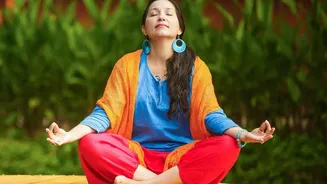
True Ayurvedic healing is not just about passive treatments. A Karkidaka regimen is a holistic experience that includes a prescribed diet, or 'Pathya'. This often involves light, easily digestible foods and a special medicinal rice porridge known as Karkidaka Kanji, which strengthens the digestive fire (Agni) and builds immunity. It's also an enforced digital detox, where the quiet, rain-soaked environment encourages you to disconnect from screens and reconnect with yourself. Gentle yoga and meditation are often incorporated to further calm the mind and regulate the nervous system. This combination ensures that the healing happens on all levels—physical, mental, and emotional.