
As temperatures drop, our bodies crave warm, nourishing foods. Indian culinary wisdom, backed by modern nutrition, offers a delicious way to stay healthy and warm. Here are seven seasonal dishes that are perfect for your winter dinner table.
Sarson ka Saag: The Quintessential Winter Green
A hallmark
of Punjabi winter cuisine, Sarson ka Saag is a robust dish made from mustard greens, often blended with other leafy vegetables like spinach. Dietitians prize it for being a nutritional powerhouse. Mustard greens are packed with vitamins A, C, and K, which are crucial for boosting immunity, supporting skin health, and ensuring proper blood clotting. The dish is also rich in dietary fibre, which aids digestion and promotes a feeling of fullness, helping to prevent the lethargy that can accompany colder months. Its high iron content helps maintain healthy haemoglobin levels, fighting off winter sluggishness. Traditionally served with makki di roti (corn flatbread), this meal is a perfect example of seasonal eating that warms you from the inside out.
Bajra Khichdi: The Warming Millet Porridge
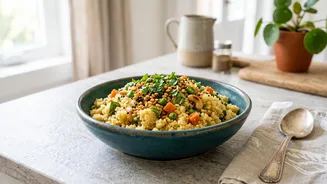
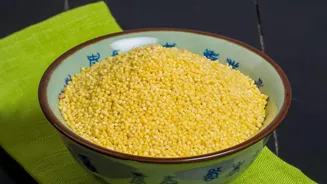
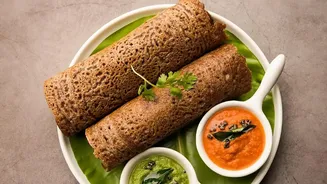
Bajra, or pearl millet, has been an Indian winter staple for generations, especially in regions like Rajasthan and Gujarat. This gluten-free grain is known for its warming properties, as it has a thermogenic effect that helps the body maintain its temperature in cold weather. A simple Bajra Khichdi, a savoury porridge often cooked with lentils, is an excellent dinner choice. It's high in fibre, which supports a healthy digestive system that can become sluggish in winter. Furthermore, bajra is a good source of iron and magnesium, minerals that combat anaemia, support cardiovascular health, and contribute to overall energy levels. Its slow-releasing carbohydrates provide sustained energy, keeping you feeling full and warm for longer.
Undhiyu: A Medley of Winter Vegetables
This classic Gujarati dish is a celebration of winter produce. The name 'Undhiyu' comes from the Gujarati word for 'upside down', referring to the traditional method of cooking it underground in earthen pots. The dish is a mix of seasonal vegetables like surti papdi (flat beans), purple yam, sweet potatoes, and raw bananas, often with methi (fenugreek) dumplings called muthia. From a nutritional standpoint, Undhiyu is a treasure trove. It's loaded with fibre, vitamins, and minerals from the diverse vegetables. Root vegetables provide sustained energy, while greens and beans offer antioxidants and B-complex vitamins that boost immunity and support metabolism.
Methi Thepla: The Versatile Fenugreek Flatbread
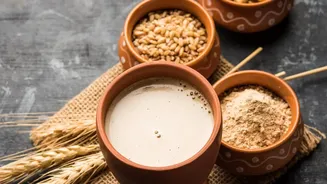
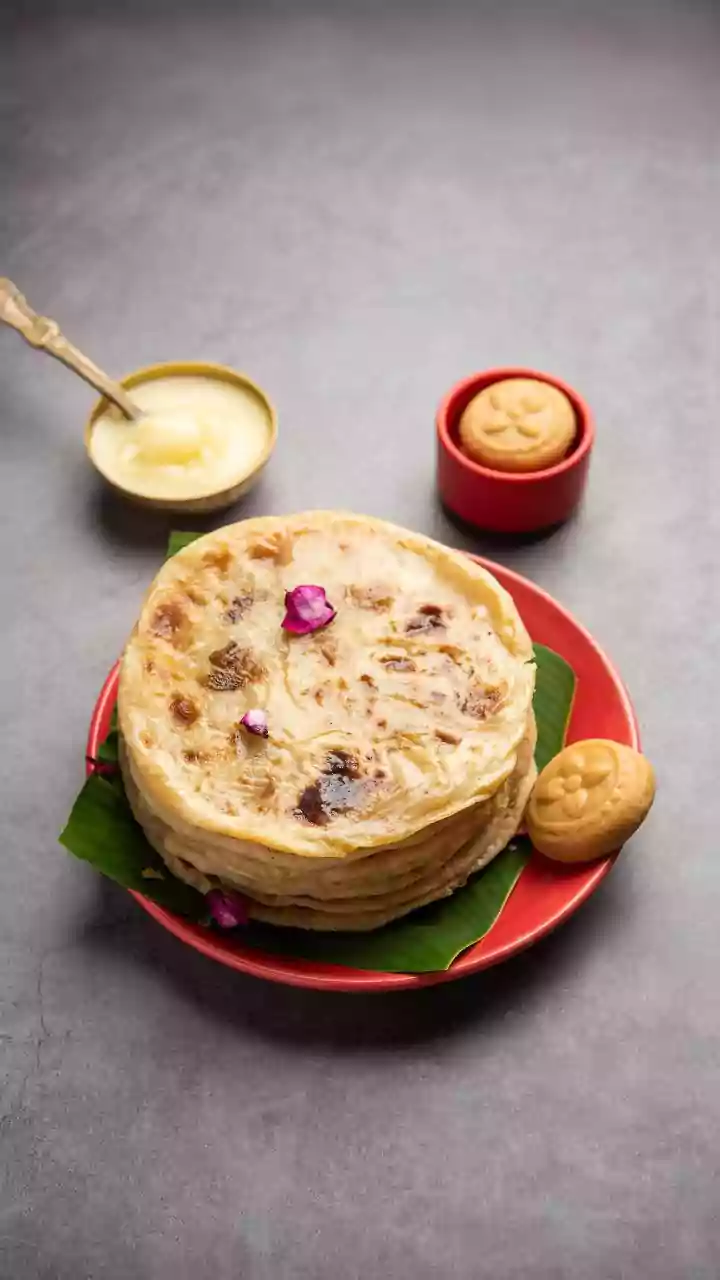
Methi Thepla, a soft flatbread from Gujarat made with fresh fenugreek leaves and whole wheat flour, is a simple yet highly nutritious winter food. Fenugreek leaves are known to aid digestion and have properties that help regulate blood sugar. They are also a good source of iron and dietary fibre. Theplas are a fantastic way to incorporate leafy greens into your diet, which are abundant and at their nutritional peak during winter. Lightly spiced and cooked with minimal oil, these flatbreads are a wholesome accompaniment to any curry or can be enjoyed simply with yoghurt, making for a light but satisfying dinner.
Gajar ka Halwa: A Healthier Take on a Winter Classic
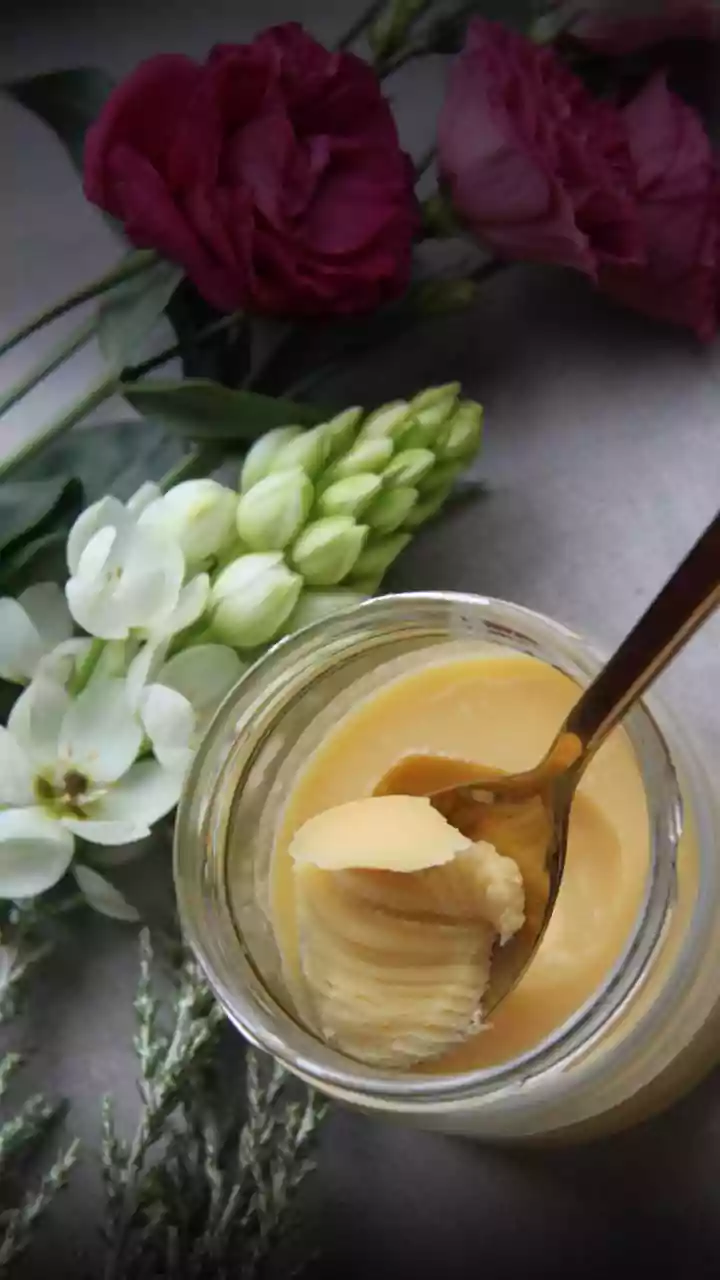
While traditionally a dessert, a consciously prepared Gajar ka Halwa can be a nutritious part of a winter meal. Winter brings the best red carrots, which are rich in beta_carotene, a precursor to Vitamin A that supports vision and immune function. To make it healthier, dietitians suggest replacing refined sugar with jaggery, which provides minerals like iron and has a warming effect. Using low_fat milk and a moderate amount of ghee, which itself is considered a warming food in Ayurveda, retains the dessert's comforting quality while cutting down on excess fat. The addition of nuts like almonds and pistachios provides healthy fats and protein.
Gond ke Laddu: The Energy_Boosting Sweet
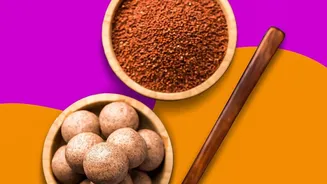
Gond, or edible gum, is a natural resin prized in Ayurveda for its warming and strengthening properties. Gond ke Laddu, sweet balls made with roasted gond, whole wheat flour, ghee, nuts, and jaggery, are a traditional winter powerhouse. They are not just a sweet treat but a functional food. The gond is believed to lubricate joints, making it beneficial for the stiffness that can come with cold weather. These laddus are an excellent source of calcium, healthy fats, and sustained energy, making them perfect for fighting off winter lethargy. Consumed in moderation, one laddu after dinner can be a comforting and deeply nourishing end to a meal.
Tomato Pepper Rasam: The South Indian Warmer
Though popular yearround in South India, a spicy Tomato Pepper Rasam is particularly beneficial during winter. This thin , souplike preparation can be enjoyed on its own or with steamed rice. Its key ingredients are spices known for their therapeutic properties. Black pepper , cumin , ginger , and garlic all aid digestion and have antimicrobial and antiinflammatory qualities that can help ward off colds and coughs . Tomatoes provide a good dose of Vitamin C and the antioxidant lycopene . This light , flavourful , and aromatic dish is an excellent way to keep warm , stay hydrated , and support your immune system during the chilly season.