







Taming the Post-Meal Glucose Spike
After you eat, particularly a meal rich in carbohydrates, your body breaks it down into glucose, which enters your bloodstream. This causes your blood sugar to rise. In response, your pancreas releases insulin to help your cells absorb this glucose for
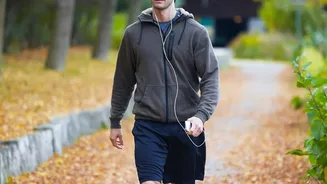
energy. However, a large, rapid spike in blood sugar can lead to an equally rapid crash, leaving you feeling sluggish and foggy. A short walk works wonders here. When you move, your muscles need energy and start drawing glucose from the bloodstream to fuel their contractions. This process helps lower post-meal blood sugar levels, preventing those dramatic spikes and subsequent crashes. Research shows that even a light, ten-minute stroll is remarkably effective, helping to flatten the glucose curve and promote more stable energy.
Clearing the Fog for Better Focus
That feeling of mental fog after a big meal isn't just in your head. It's directly linked to those fluctuating blood sugar levels. When your glucose is on a rollercoaster, your brain feels it too, leading to difficulty concentrating and that all-too-familiar afternoon sleepiness. By stabilizing your blood sugar with a post-meal walk, you provide your brain with a steadier supply of energy. Improved circulation from the light activity also plays a role, pumping more oxygen-rich blood to your brain. This combination helps enhance mental clarity, reduce stress, and improve focus, allowing you to return to your tasks feeling refreshed and sharp rather than sluggish and distracted.
More Than Just Blood Sugar
While glucose control and focus are the headline benefits, a brief walk after eating offers even more perks. Gentle movement stimulates the digestive system, promoting the wave-like contractions that move food through your gut. This can significantly reduce common post-meal complaints like bloating and gas. Over time, this consistent habit contributes to your overall daily activity goals, supporting heart health by helping to regulate blood pressure and improve circulation. It’s a simple, low-impact activity that doesn't require a gym membership or special equipment, yet it provides a powerful metabolic and mental boost.
How to Make It a Habit
Incorporating this into your day is easier than you think. The ideal time to walk is within 15 to 30 minutes of finishing your meal, as this is when your body begins processing the glucose. You don't need to power walk; a relaxed, comfortable pace is all that’s required to see the benefits. If you're at the office, a walk around the building or even a few laps up and down a hallway will do the trick. Working from home? A quick loop around the block is perfect. The key is consistency. By linking the new habit of walking to your existing habit of eating, you make it easier to remember. Start with just five minutes if ten feels like too much, and build from there.