

Why Choose Whole Millets?
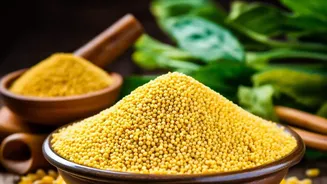
The aisles of supermarkets are now filled with millet-based products, from cookies and chips to ready-to-eat upma. While convenient, these often undergo processing that can diminish their nutritional value, similar to refined wheat and rice. Choosing
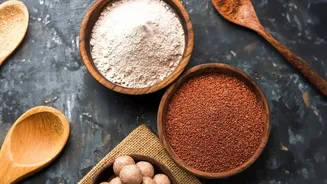
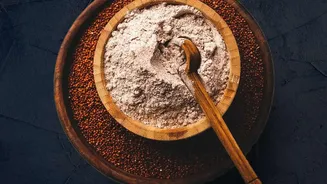
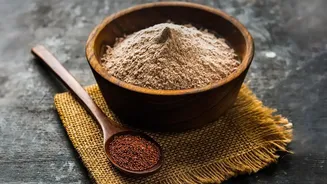
whole millets—like jowar (sorghum), bajra (pearl millet), ragi (finger millet), and foxtail millet—means you get the full benefits of the grain. They are packed with fibre, protein, essential minerals, and antioxidants. This makes them more filling, better for blood sugar control, and a powerhouse of nutrition compared to their processed counterparts. Cooking with whole grains allows you to control ingredients, avoid hidden sugars, and connect with a more traditional, wholesome way of eating.
Reinvent Your Breakfast
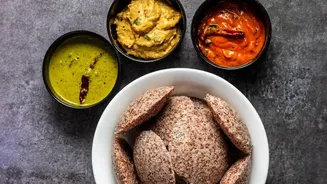
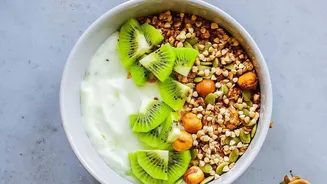
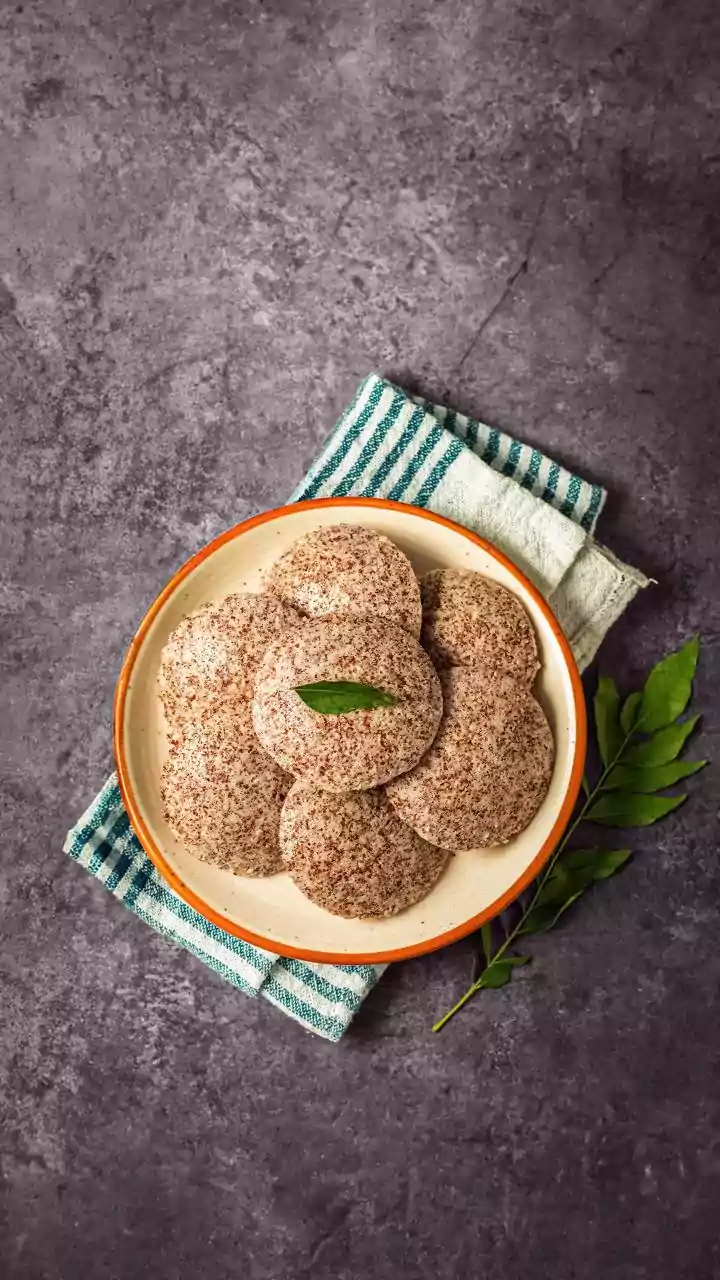
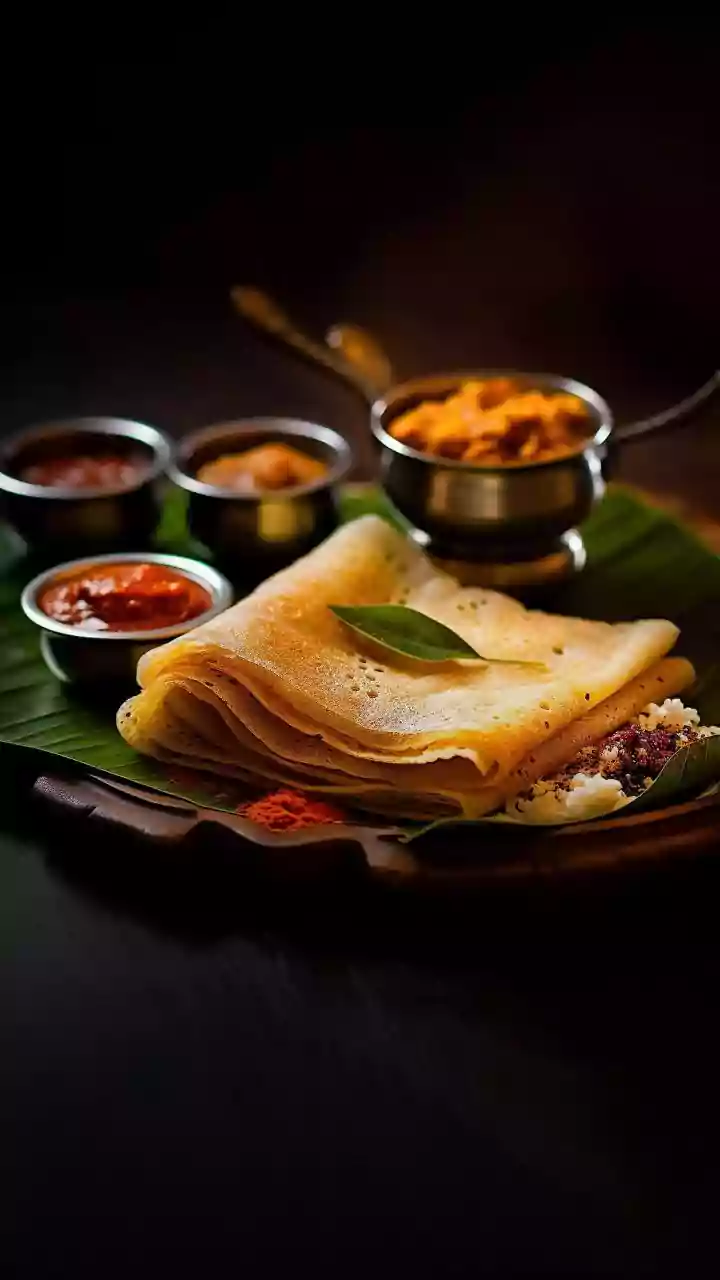
Breakfast is the perfect meal to start incorporating millets. Instead of reaching for a box, try making these simple dishes from scratch. A hearty bowl of millet upma, made with foxtail or little millet, is a fantastic alternative to the usual rava version. Simply soak the millet, then sauté it with your favourite tempering and vegetables. For a sweeter start, ragi porridge is a classic, offering a high dose of calcium. It can be made savoury as a 'koozh' or sweet with jaggery and milk. You can also make fluffy idlis and crispy dosas by creating a batter with a mix of millets like kodo or ragi and urad dal, and fermenting it overnight.
Wholesome Lunch and Dinner
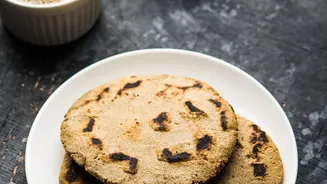
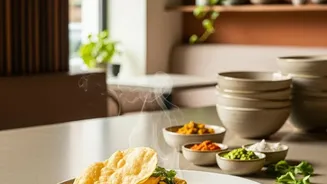
Millets can easily replace rice and wheat in your main meals. Classic flatbreads like jowar roti and bajra roti have been staples in Indian households for generations, especially in states like Maharashtra, Gujarat, and Rajasthan. Kneading the flour with hot water is key to getting a soft, pliable dough. Beyond rotis, millets make for a wonderful one-pot meal. A comforting khichdi made with bajra or a mix of millets and dal is perfect for a light dinner. Cooked millets can also serve as a fluffy base for a vegetable stir-fry or be used to create a modern grain salad with fresh vegetables and a zesty dressing.
Creative Snacks and Small Bites
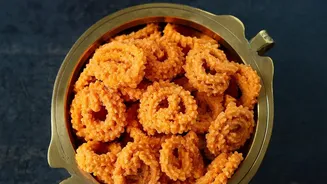
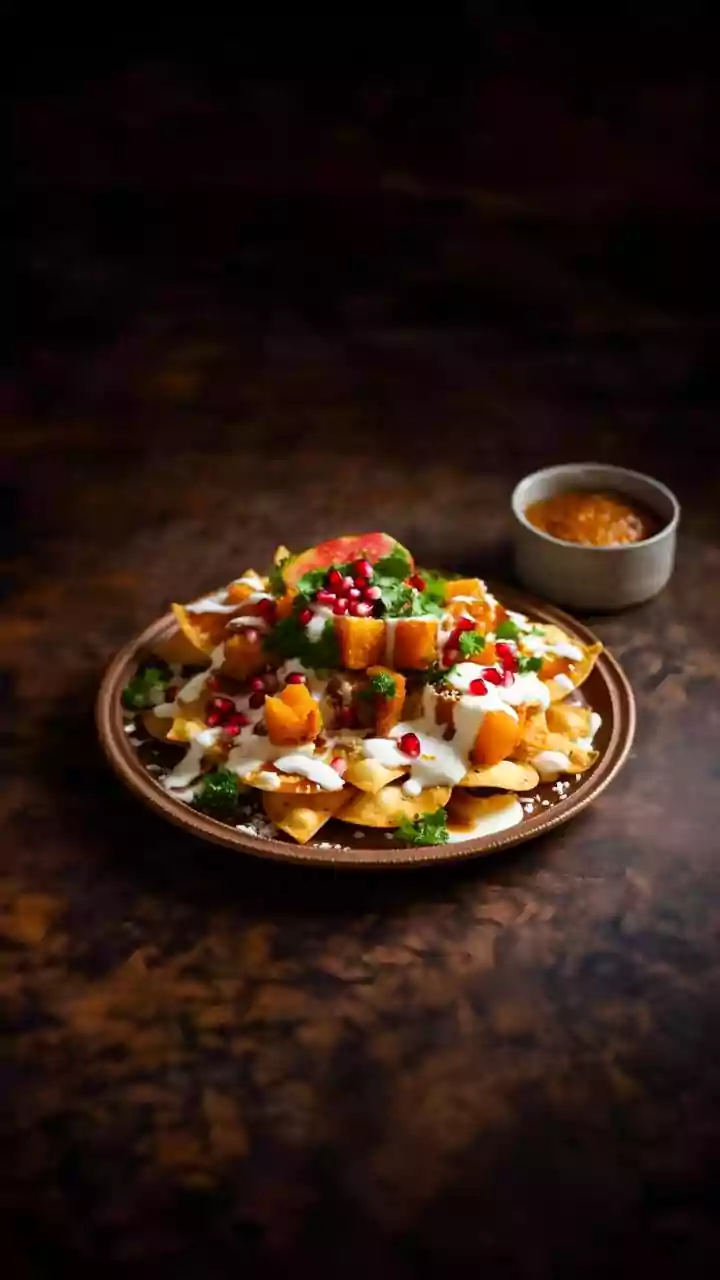
Move over, packaged snacks. Millets can be transformed into a variety of delicious and healthy bites. Sprouted ragi can be combined with sprouted moong to create a nutritious chaat. For something warm, consider making savoury dumplings or 'kozhukattai' using barnyard or kodo millet. Millet flours can also be used to create inventive snacks. A batter of ragi and besan can be used to make a quick chilla, perfect for an evening snack. For a crispy treat, you can even make fritters with cooked millet, potatoes, and spices, offering a wholesome alternative to deep-fried snacks.
Don’t Forget the Desserts
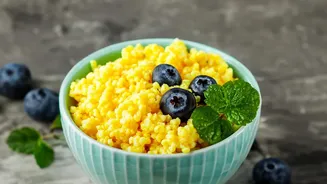
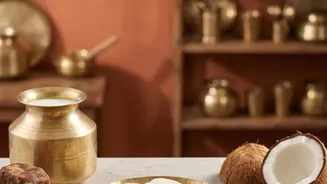
Millets can satisfy a sweet tooth in a healthier way. A creamy payasam or kheer can be made using foxtail millet, cooked with milk, jaggery, and flavoured with cardamom and nuts. For a richer dessert, a phirni made with ground little millet offers a unique texture and taste. Some traditional recipes even feature millet in desserts like rabdi, where kodo millet is slow-cooked with milk until it thickens into a decadent sweet. You can also use ragi flour to make a simple halwa or even bake it into healthier pancakes and cakes, proving that desserts can be both indulgent and nutritious.