




Plan Your Pantry Weeks Ahead
Truly practical festive cooking begins long before the stove is lit. Start with a full audit of your pantry at least ten days before the festival. Check your staples like flour, rice, lentils, sugar, and ghee. Inspect your spices, as ground masalas can
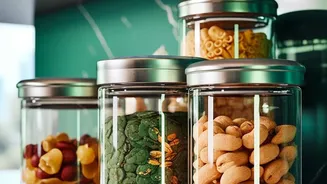
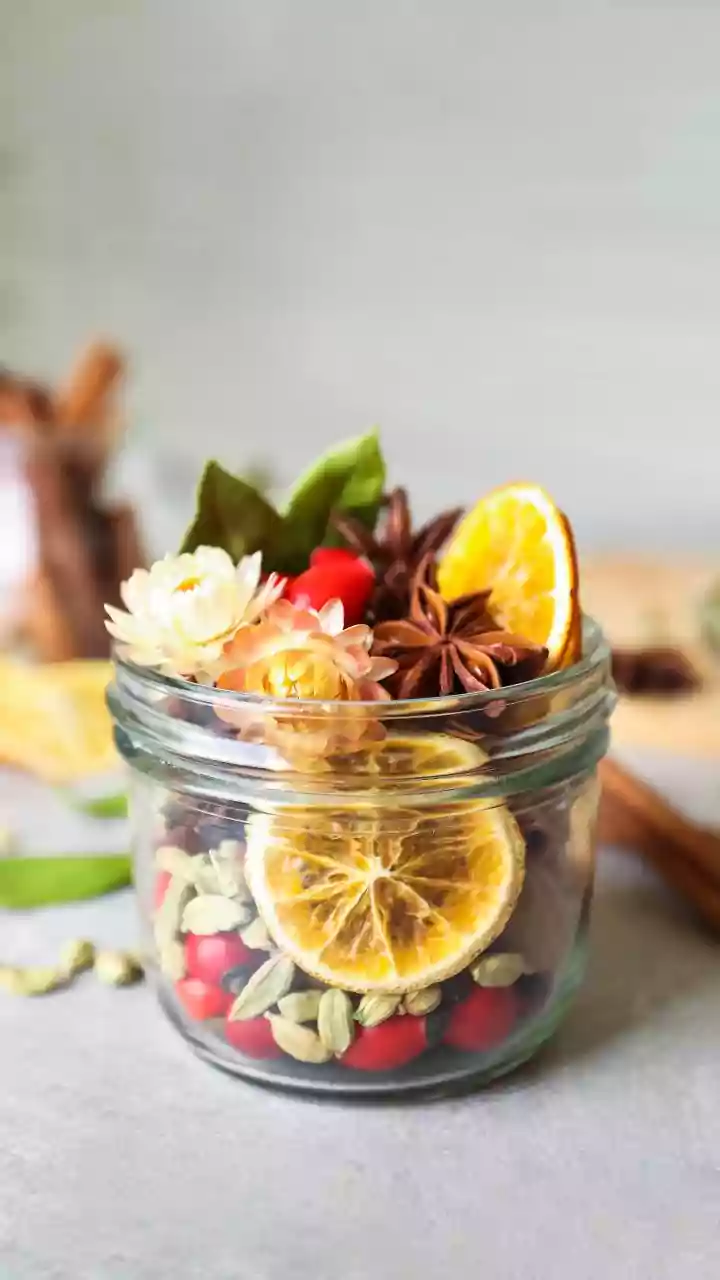
lose their potency and aroma over six to twelve months. Create a master list of all the dishes you plan to make and the ingredients required. This is the time to buy dry goods, special items like saffron or dry fruits, and any non-perishables. Organizing your pantry into zones—one for baking, one for daily staples, one for festive specials—can also save precious minutes when you’re in the middle of cooking. A well-stocked and organized pantry is your first line of defense against last-minute stress.
The Magic of a Make-Ahead Gravy
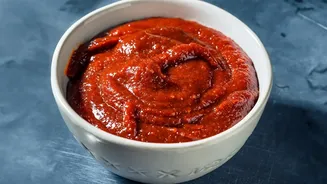
The foundation of many beloved North Indian festive dishes is a rich, slow-cooked gravy, which can take up a significant amount of cooking time. The solution is to prepare a large batch of a versatile base gravy—typically made from sautéed onions and tomatoes—on a quiet weekend. Cook the onion and tomato mixture until it is thick and almost dry; the less moisture, the longer it will last. Once it cools completely, store it in a clean, airtight glass jar at the back of the refrigerator, where it can last for up to a week. For longer storage, you can freeze the base in portion-sized containers or even ice cube trays. When you're ready to cook, simply take out a portion, heat it, and add your vegetables or protein for a dish that tastes freshly made in a fraction of the time.
Chopping, Puréeing, and Prepping Fresh Ingredients
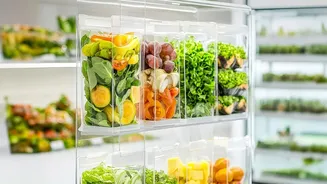
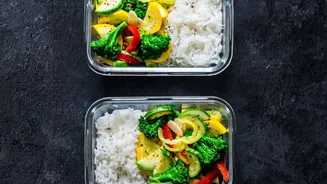
The relentless task of chopping vegetables can be a major bottleneck during festive cooking. Thankfully, many ingredients can be prepared in advance. Three to four days before the event, you can make essentials like ginger-garlic paste and green chili paste and store them in the fridge. Hardy vegetables like carrots, bell peppers, broccoli, and cauliflower can be chopped and stored in airtight containers. To maintain freshness, you can place a dry paper towel in the container to absorb excess moisture. Onions can also be sliced, though they are best used within a couple of days as their flavour can change. Softer vegetables like tomatoes and cucumbers don't store as well once cut, so it's best to prep those on the day of cooking.
Get Ahead on Doughs and Marinades
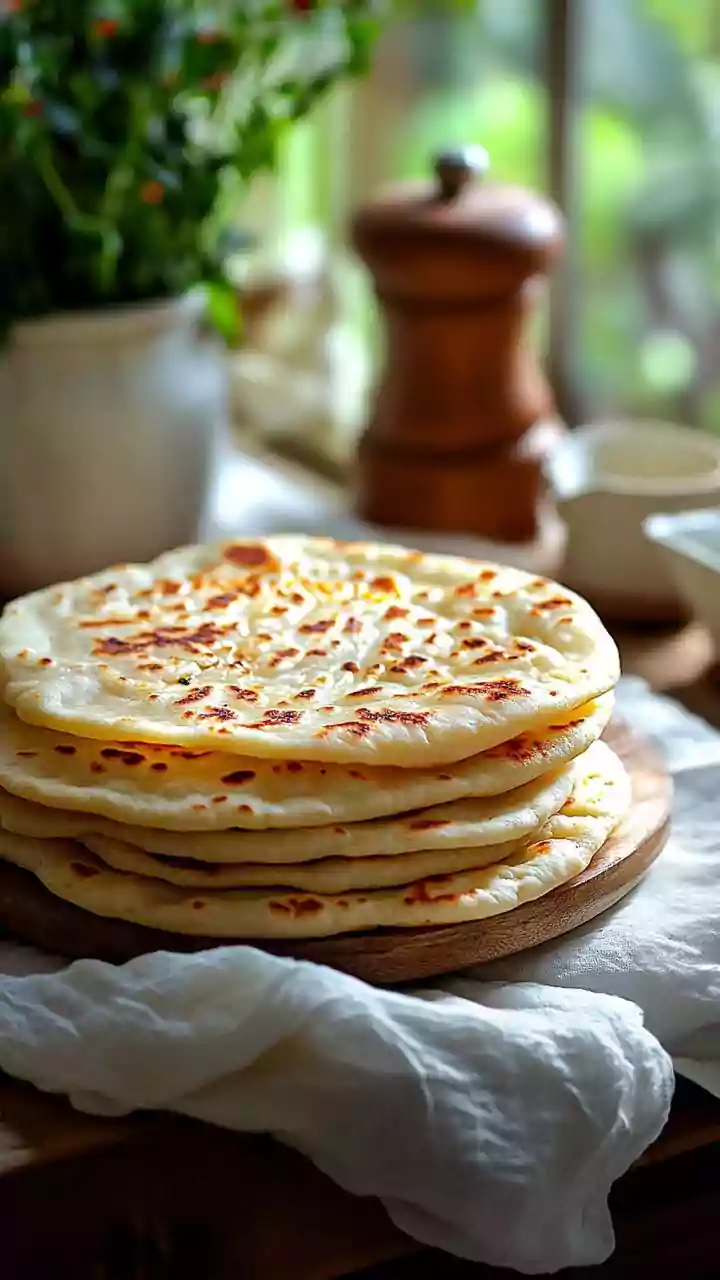
Imagine being able to fry fresh puris or rotis without having to knead the dough first. Many types of dough can be made a day or two in advance and refrigerated in an airtight container. For items like puran poli, you can prepare the sweet dal filling ahead of time and store it separately, ready for assembly. Similarly, marinating paneer, chicken, or other proteins a day before infuses them with flavour and cuts down on prep time. Simply immerse your protein in its marinade, cover it tightly, and let it rest in the refrigerator. This not only makes your dish more flavourful but also turns a multi-step cooking process into a simple final cook on the festival day.
Your Freezer Is Your Best Friend
The freezer is an invaluable tool for the festive cook. Many snacks that are typically fried can be prepared, shaped, and frozen raw, ready to be cooked directly from frozen or after a brief thaw. Samosas, for instance, can be filled and frozen on a tray before being transferred to a freezer bag. This method works well for cutlets and spring rolls too. When guests arrive, you can fry these snacks fresh, ensuring they are perfectly crisp. You can also freeze cooked items like certain gravies or even sweets. Cooked samosas can be frozen for up to six months, though their texture is best within a month. This strategy allows you to spread the workload over several days, transforming a frantic cooking marathon into manageable sessions.