


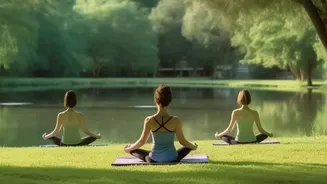
The Case for Yoga: Mindful Stillness
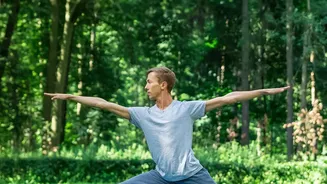
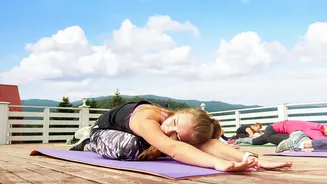
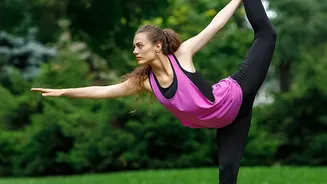
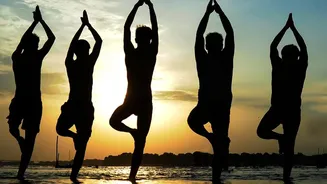
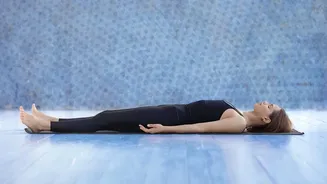
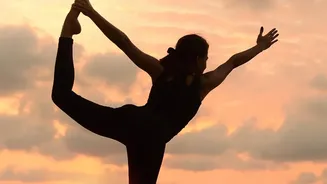
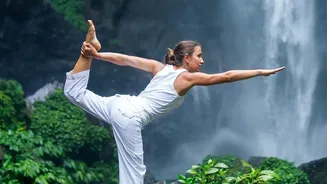
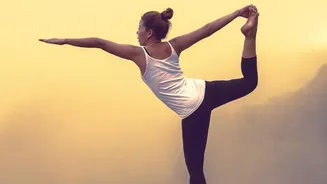
Yoga, an ancient practice with deep roots in Indian culture, is renowned for its calming effects on the mind and nervous system. Its power lies in the integration of physical postures (asanas), controlled breathing (pranayama), and meditation. This combination
is scientifically shown to help regulate the body's stress response systems. Studies indicate that regular yoga practice can lower levels of cortisol, the primary stress hormone. The emphasis on deep, deliberate breathing activates the parasympathetic nervous system, which guides the body into a 'rest and digest' state, counteracting the 'fight or flight' mode triggered by stress. This focus on the present moment helps quiet the mental chatter that often fuels anxiety, making it an excellent choice for those seeking introspection and a gentle, restorative path to stress relief.
The Case for Dance: Expressive Release
Where yoga offers quiet contemplation, dance provides a vibrant, expressive outlet for emotional release. Moving your body to music is not just fun; it’s a powerful form of non-verbal communication that can be incredibly therapeutic. The physical exertion of dance stimulates the production of endorphins, the brain's 'feel-good' chemicals that act as natural mood elevators and pain relievers. This neurochemical boost can lead to immediate feelings of happiness and reduced anxiety. Furthermore, dance is often a social activity, whether in a Zumba class or a Bollywood fitness session. This sense of community and shared joy fosters social bonds, which are crucial for mental well-being and building resilience against stress.
Physicality and Intensity
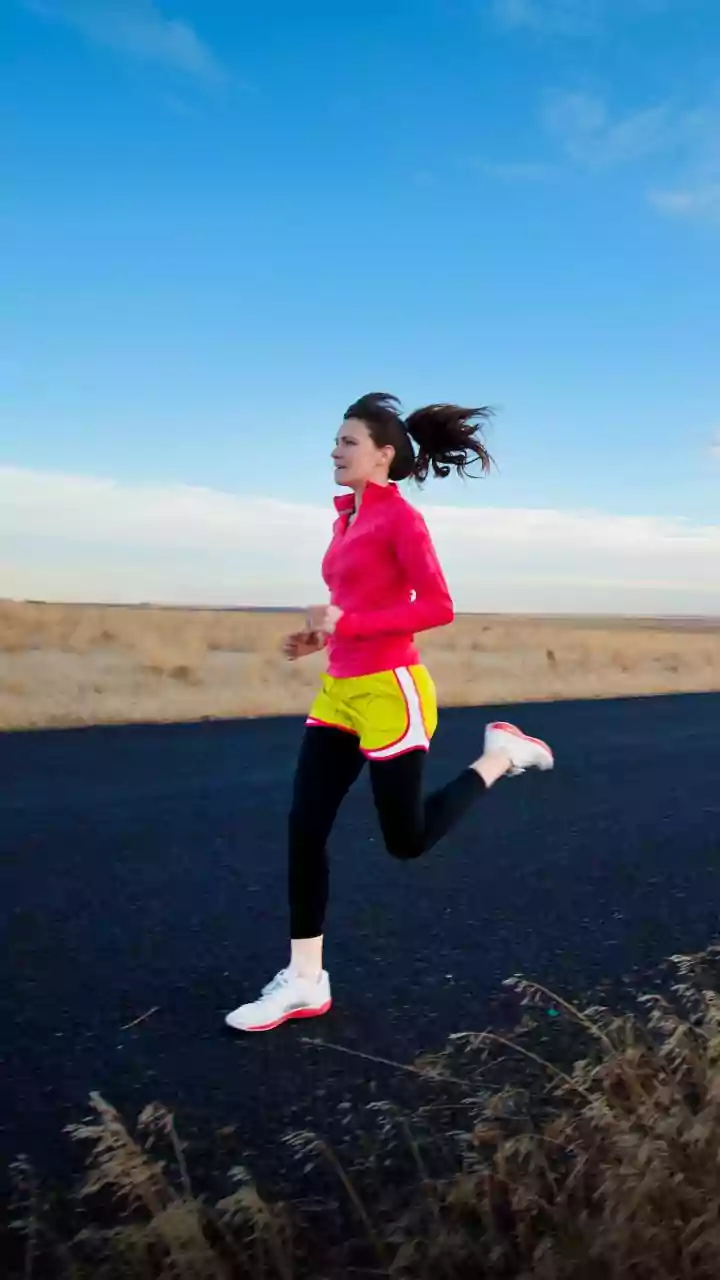
The physical demands of yoga and dance can vary greatly. Dance, especially in forms like Bhangra, Zumba, or contemporary, is typically a high-energy cardiovascular workout. It raises your heart rate, improving stamina and promoting overall heart health while building muscle. Yoga, on the other hand, generally focuses on building core strength, improving flexibility, and enhancing balance through sustained postures and controlled movements. While powerful styles like Vinyasa or Ashtanga can be physically challenging, many forms of yoga are gentler, focusing on alignment and releasing muscle tension. Your choice may depend on whether you're looking for an energetic workout that makes you sweat or a practice that stretches and strengthens your body at a more measured pace.
The Brain on Yoga vs. Dance
Both activities positively impact brain function, but through slightly different pathways. Yoga has been shown to increase levels of GABA, a neurotransmitter that helps calm the brain and is linked to lower anxiety. It can also improve the function of the prefrontal cortex, the part of the brain responsible for emotional regulation and impulse control. Dance also engages the brain, but in a different way. Learning new steps and coordinating movements to a rhythm enhances cognitive functions like memory and mental agility. The combination of music and movement activates the brain's reward circuits, which can provide a powerful distraction from daily worries and create a state of 'flow'. This mental engagement is a key part of how dance works to relieve stress.
Which One Is Right for You?
Ultimately, the best choice between yoga and dance is a personal one. Ask yourself what you need most when you feel stressed. Do you crave quiet solitude and a chance to turn inward? If so, the mindful, breath-focused practice of yoga might be your sanctuary. Or do you need to move, release pent-up energy, and connect with others in a joyful environment? In that case, the expressive, high-energy world of dance could be the perfect fit. If you seek emotional expression and a community vibe, dance may hold the edge. If your goal is to calm a racing mind through focused breathing and mindfulness, yoga is a well-established path. There's no wrong answer, and the two are not mutually exclusive; many dancers use yoga to improve flexibility, and many yogis enjoy dance for its cardio benefits.