


The Minimalist's Dilemma
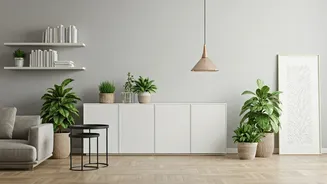
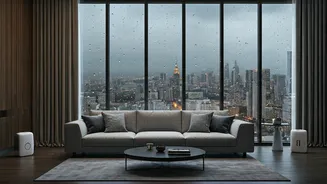
You’ve decluttered, embraced negative space, and curated a collection of purposeful objects. Your home is a testament to the ‘less is more’ philosophy. Yet, in the quiet of the evening, the space can feel more clinical than calming. This is a common challenge
with minimalism; in stripping away the excess, it’s easy to also strip away the warmth. The clean whites, cool greys, and sharp lines that define the style can feel stark and uninviting if not balanced correctly. The key isn't to abandon minimalism, but to infuse it with elements that create an emotional connection and a sense of comfort. This is where the ancient, earthy charm of terracotta comes in.
Why Terracotta? An Earthy Embrace
Translated from Italian as “baked earth,” terracotta is more than just a colour; it's a material and a feeling. Its tones, ranging from dusty red-orange to brownish-pink, are inherently grounding. Psychologically, these shades connect us to the natural world, evoking sun-baked clay, desert landscapes, and rustic pottery. This connection helps to reduce stress and create a sense of stability and safety. Unlike bold, energetic oranges, terracotta is muted with brown undertones, which gives it a comforting and soothing quality. It’s a colour that wraps a room in a warm hug, making large or minimalist spaces feel more human-friendly and approachable.
Start Small: Pots, Vases, and Objects
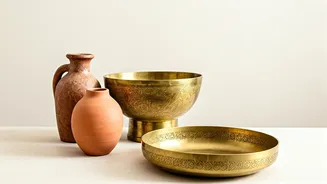
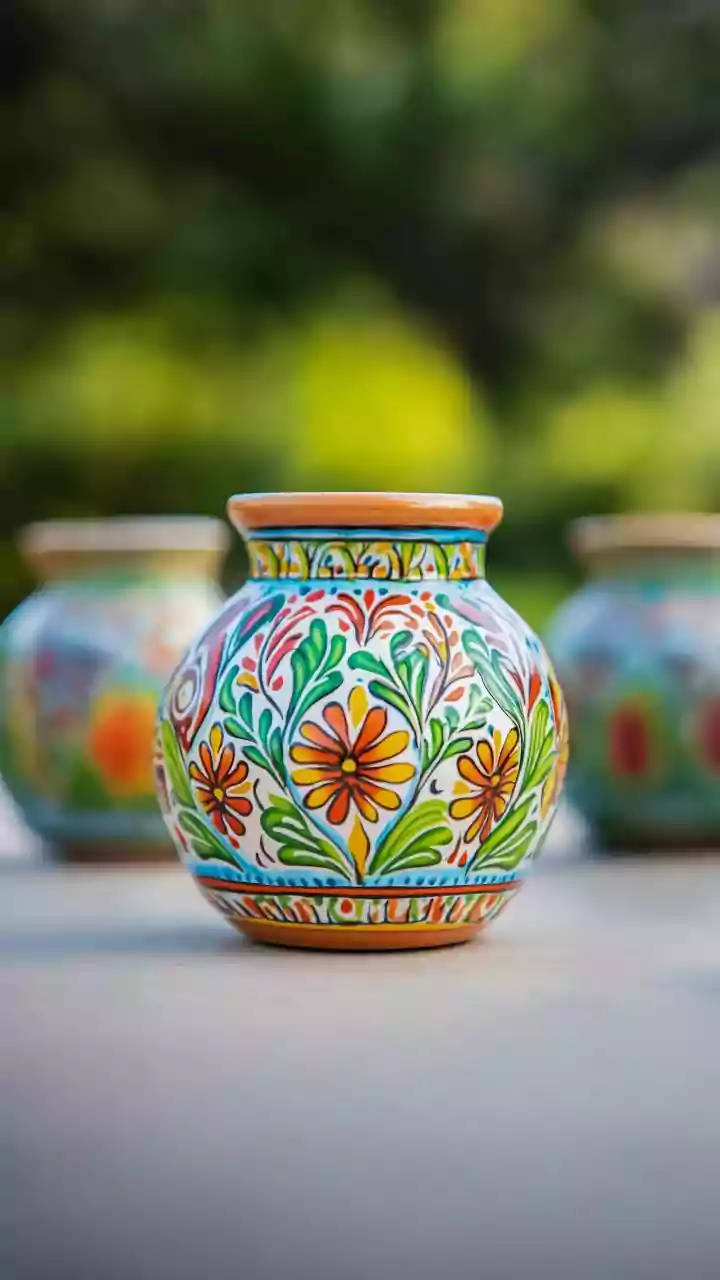
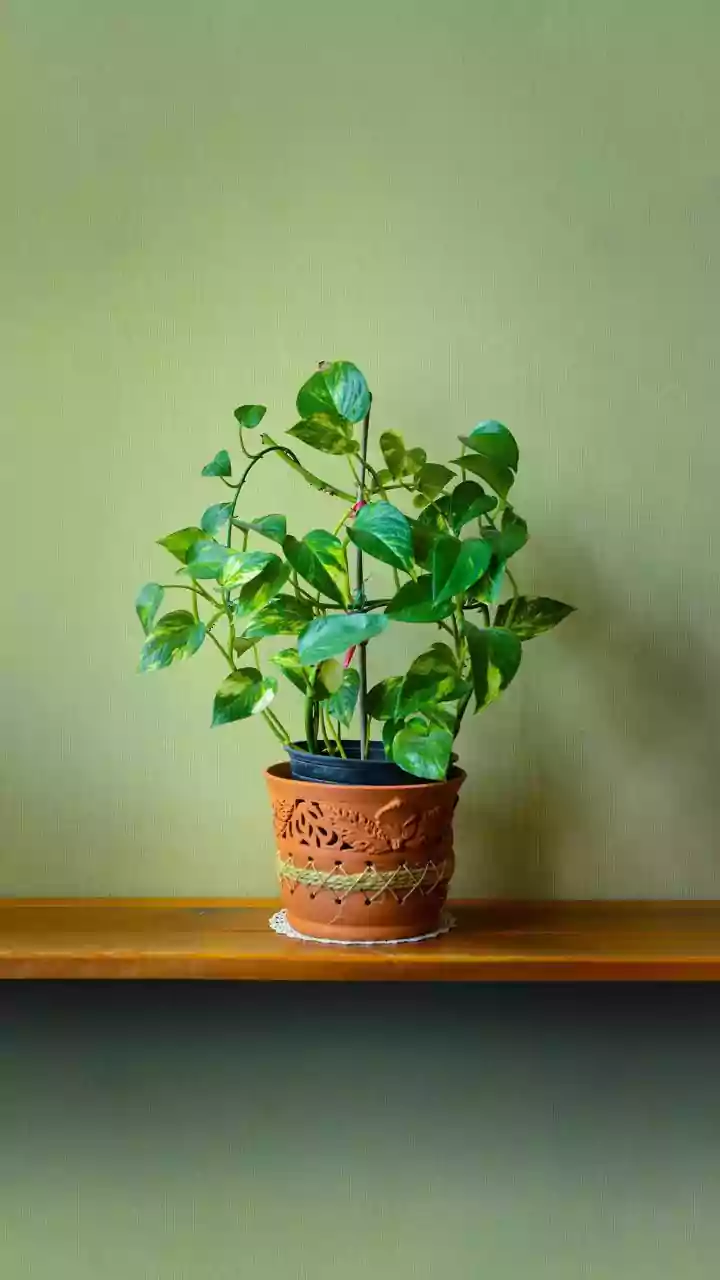
Integrating terracotta doesn’t require a complete overhaul. For a minimalist, the easiest and most effective starting point is with accessories. A single, sculptural terracotta pot holding a green plant can become a living focal point. Grouping a few handmade vases or bowls on an open shelf introduces artisanal texture and subtle warmth. In an Indian context, this feels incredibly natural. Think of the simple beauty of a traditional matka or diya, reimagined as a decorative piece. These small touches add character and a story to your space, celebrating imperfection and craftsmanship—ideas that align beautifully with the wabi-sabi principles often linked to warm minimalism.
Go Bolder: A Feature Wall
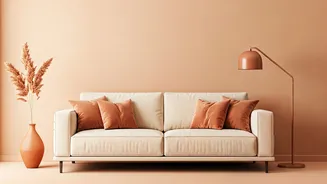
For those ready to make a more significant commitment, a terracotta accent wall can dramatically transform a room without overwhelming it. A single wall painted in a soft, dusty terracotta provides a warm backdrop for neutral-toned furniture and art. Consider modern finishes like lime-wash or textured plaster, which add depth and a tactile quality. This approach works especially well in living rooms or bedrooms, creating a cosy sanctuary. The key is to keep the other walls a light, warm neutral—like cream or oat—to maintain the room's airy, minimal feel and let the feature wall be the hero.
Layer with Textiles
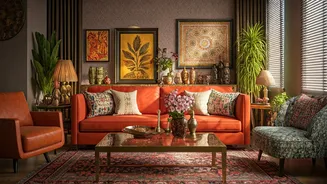
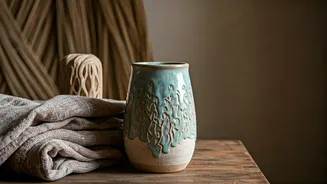
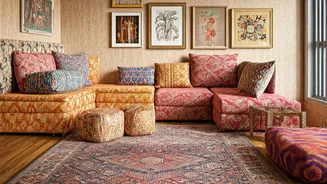
Never underestimate the power of fabric to change a room's mood. If painting feels too permanent, terracotta-hued textiles are your best friend. A set of linen cushions on a grey sofa, a woven throw blanket draped over a chair, or a durable jute rug with terracotta accents can instantly inject warmth. These elements add both colour and texture, which are crucial for making a minimalist space feel layered and inviting. Opt for natural materials like linen, raw cotton, and wool to enhance the earthy, organic vibe.
The Perfect Palette Pairings
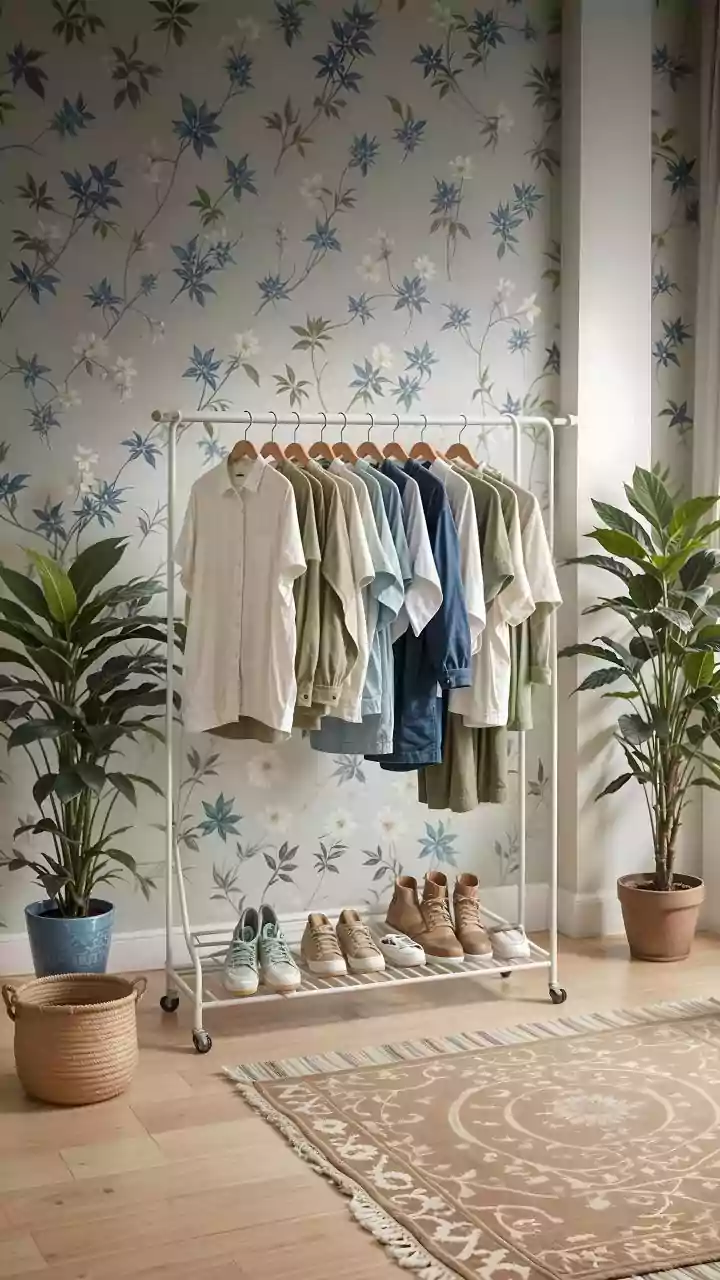
Terracotta is a team player. To make it shine in a minimalist setting, pair it with the right colours. Creamy whites are a classic partner, creating a warm, luminous atmosphere. Soft, grey-greens like sage or olive create a serene, natural feel, while deep navy blue provides a sophisticated, modern contrast. For materials, think light-toned woods like oak or ash, rattan, and aged brass or copper metals. Avoid pairing terracotta with overly cool-toned woods or shiny chrome, as these can clash and make the terracotta appear harsh. The goal is a cohesive palette that feels grounded and harmonious.