





First, Clear the Air
Before adding scent, it's best to start with a neutral canvas. The simplest way to eliminate stale air and lingering smells is by opening your windows. [21, 18] Creating a cross-breeze for just five to ten minutes a day can significantly improve your indoor
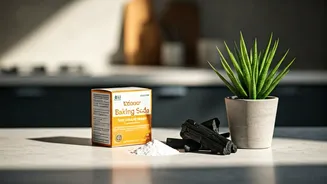
air quality by flushing out pollutants. [23, 21] For persistent odours, turn to natural absorbers. A small bowl of baking soda placed in the fridge or a stuffy cupboard can absorb and neutralise smells. [2, 15] For larger areas or closets, activated charcoal bags are highly effective at trapping odour molecules. [2, 6] You can even place a bowl of white vinegar in a room to absorb strong smells; the vinegar scent itself will quickly dissipate. [2, 7]
Create a Simmer Pot
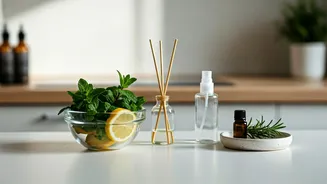
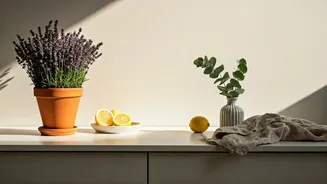
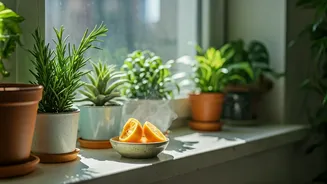
A simmer pot, or stovetop potpourri, is one of the most effective and cozy ways to fill your entire home with a natural fragrance. [21, 23] Simply fill a small saucepan with water, add your chosen ingredients, bring it to a boil, and then reduce it to a low simmer. [14] The warm steam carries the scent throughout your space. Classic combinations include citrus slices (like lemon or orange), cinnamon sticks, and whole cloves. [5, 22] For a fresh, clean scent, try lemon slices with sprigs of fresh rosemary. [11] You can also experiment with other ingredients like lime, mint, vanilla extract, or even fresh ginger. [26, 17] Just remember to keep an eye on the water level and top it up as needed, and never leave a simmer pot unattended. [6]
Harness the Power of Essential Oils
Essential oils offer a versatile way to add fragrance to your home. [3] An ultrasonic diffuser is a popular method, dispersing a fine mist of water and oil into the air. [3, 20] You can create custom blends for different moods, such as lavender for relaxation or lemon and eucalyptus for a fresh, clean feeling. [9] If you don't have a diffuser, you can still enjoy the benefits. Make a simple room spray by mixing about 10-15 drops of essential oil with a cup of distilled water and a tablespoon of vodka or witch hazel in a glass spray bottle. [6, 27] For a passive approach, add a few drops of oil to cotton balls and tuck them into drawers, closets, or even your car's air vents. [20, 29]
Utilise Scent-Absorbing Bases
Some of the best natural air fresheners work by both absorbing bad smells and gently releasing good ones. Baking soda is a champion at this. [16] To make a simple deodorising jar, fill a small jar halfway with baking soda and add 10-15 drops of your favourite essential oil. [5, 12] Leave the jar open, or cover it with a breathable fabric, and place it in bathrooms or near shoe racks. You can also sprinkle this scented baking soda mixture onto carpets before vacuuming to freshen up your floors. [9, 19] Dry coffee grounds are another excellent odour absorber, particularly effective in the fridge or freezer. [7]
Bring in Air-Purifying Plants
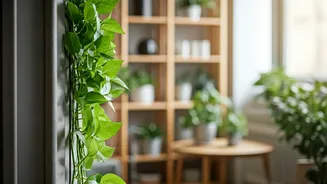
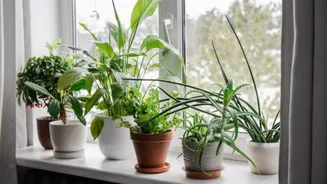
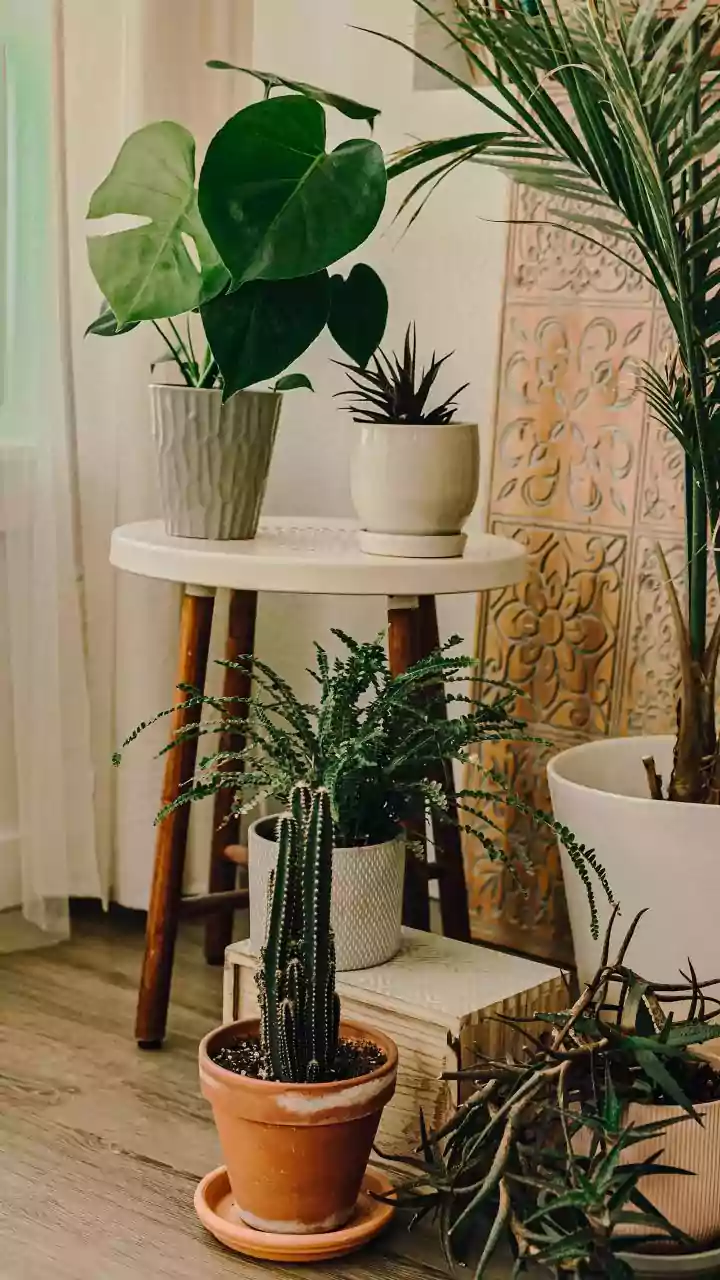
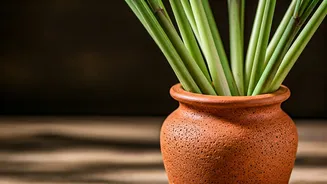
Houseplants are not just beautiful decor; many are natural air purifiers that work around the clock. [8] Plants cleanse the air by absorbing pollutants through their leaves and roots, converting them into oxygen. [28] Some of the most effective air-purifying plants include the Snake Plant, Peace Lily, Spider Plant, and Aloe Vera. [4, 28] Ferns, such as the Boston Fern, are excellent at removing pollutants and also act as natural humidifiers. [1, 4] English Ivy is particularly good at removing formaldehyde, a common indoor pollutant. [1, 13] Placing a few of these green companions around your home not only improves air quality but also adds a touch of nature's tranquility.