
The End of Sharp-Edged Minimalism
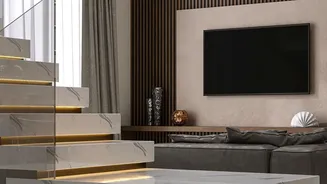
For the better part of a decade, a specific look dominated urban Indian homes: stark white or grey walls, glossy surfaces, and boxy, low-slung furniture. This minimalist aesthetic, heavily influenced by global trends, promised a clean, uncluttered life.
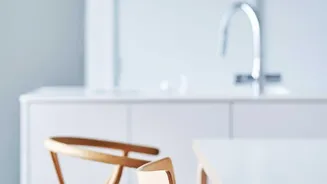
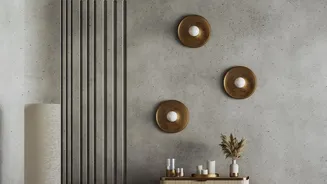
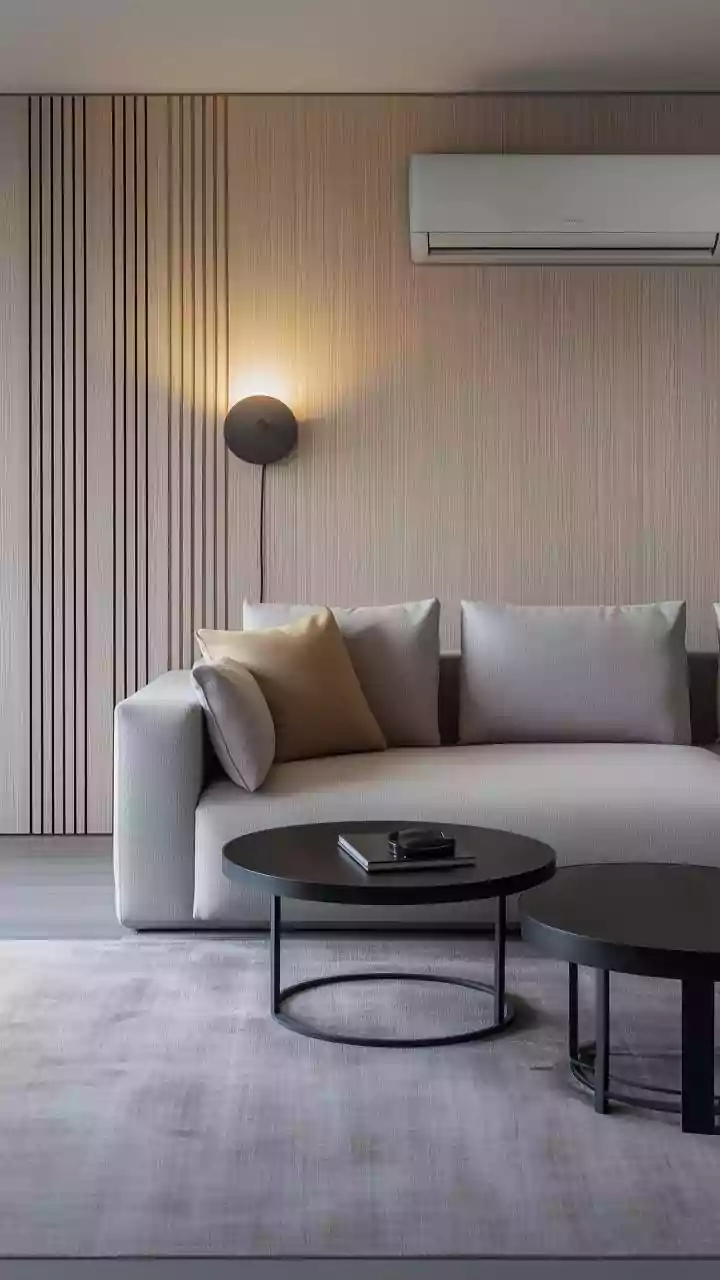
It photographed well and felt distinctly modern. However, many are now experiencing a sense of visual fatigue with these rigid, showroom-style spaces. The cool palettes and hard lines, originally conceived for different climates and light conditions, can feel harsh and impersonal in an Indian context. This has paved the way for a new design philosophy, often called 'warm minimalism', which keeps the clutter-free principles but brings back softness, texture, and a sense of being lived-in.
The Gentle Appeal of the Curve
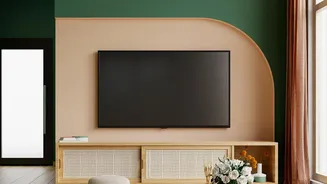
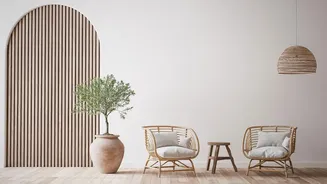
The most visible sign of this shift is the embrace of curved furniture. Rounded sofas, crescent-shaped sectionals, and oval coffee tables are replacing their rectangular counterparts. This is more than just an aesthetic choice; it’s about changing the atmosphere of a room. Design experts note that curves feel instinctively comforting and safe, reducing the visual harshness of a space. A curved sofa, for instance, can make a living room feel more welcoming and encourage conversation by creating a more inclusive seating arrangement. Arched doorways and rounded wall niches are also making a strong comeback, softening the architecture of the home itself and adding a touch of timeless elegance.
Mastering the Art of Layering
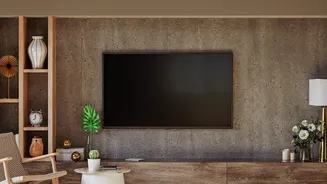
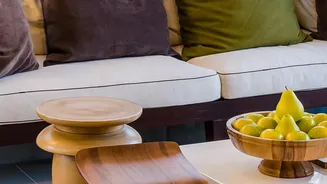
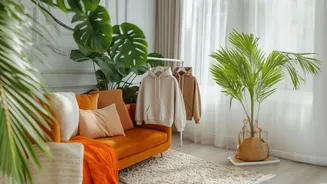
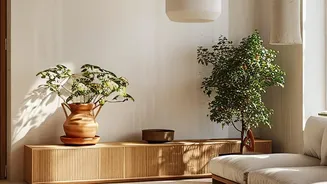
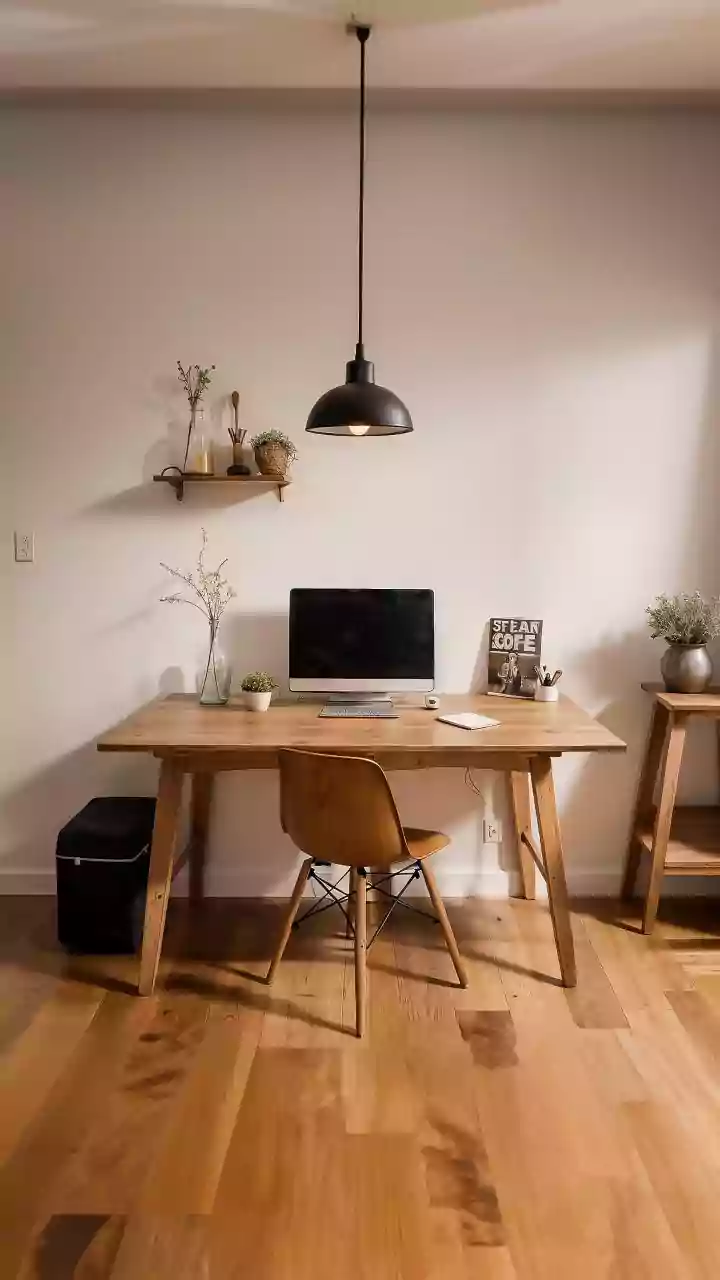
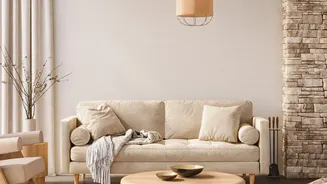
Alongside curves, layering is key to creating this new sense of warmth. This involves moving beyond a single texture and mixing a variety of materials to add depth and character. Think of a plush velvet sofa paired with linen cushions, a handwoven jute rug under a smooth wooden table, and sheer curtains that diffuse light beautifully. The goal is to create a space that is not just visually interesting but also tactilely rich. This trend also sees a return to natural and handcrafted materials like solid teak or sheesham wood, which offer a warmth that high-gloss laminates cannot replicate. Lighting, too, is layered, with a mix of ambient, task, and accent lights creating a cozy and inviting mood.
Why We Crave Comfort Now
This pivot towards softer, more personal spaces is strongly linked to our experiences over the last few years. The pandemic, in particular, forced a re-evaluation of our homes. As we spent more time indoors, the desire for a sanctuary—a space that provides emotional comfort and a sense of security—grew stronger. This 'cocooning' effect has led people to seek out designs that feel nurturing. There is also a growing rejection of 'fast furniture' and algorithm-driven trends that make homes look anonymous. Instead, homeowners are opting for a 'slow interiors' approach, choosing fewer, better pieces that will last and evolve with them, creating a space that tells a personal story.