






Every winter, the familiar advice echoes: 'Bundle up or you’ll catch a cold!' While our elders' warnings come from a good place, the belief that cold air itself makes us sick is a long-standing myth. The truth is more complex and interesting.
Debunking the Cold Air Myth
Let’s clear
this up from the start: you don’t catch a cold, the flu, or other respiratory illnesses simply from being in a cold environment. These sicknesses are caused by viruses, not temperature. The reason winter is synonymous with illness has less to do with the chill in the air and more to do with how we and the viruses themselves behave in response to it. The season creates a perfect storm of conditions that facilitate the spread of germs like rhinoviruses, influenza, and RSV.
The Real Culprit: Indoor Crowding
When the temperature drops, people naturally spend more time indoors. We gather in homes, offices, schools, and on public transport, often with windows sealed shut to keep the warmth in. This creates crowded, poorly ventilated environments where viruses can spread with remarkable efficiency. When an infected person coughs, sneezes, or even talks, they release respiratory droplets containing the virus. In close quarters, it’s much easier for others to inhale these droplets or pick them up from surfaces. This increased proximity is a primary driver behind the seasonal spike in illnesses.
How Dry Winter Air Helps Viruses
Winter air, both outdoors and indoors due to heating systems, is significantly drier. This low humidity is a virus's best friend for two main reasons. First, it helps them travel farther. In humid air, respiratory droplets are heavier and fall to the ground more quickly. But in dry air, the droplets evaporate, becoming smaller, lighter aerosol particles that can hang in the air for hours, spreading throughout a room. Second, some viruses, including influenza, are more stable and survive longer in cold, dry conditions, increasing their window to infect someone.
A Compromised First Line of Defence
Cold, dry air doesn't just help viruses; it can also weaken our body's initial defences. Our nasal passages are lined with a protective layer of mucus designed to trap inhaled pathogens. Breathing in cold, dry air can dry out these mucous membranes, making them less effective at capturing and clearing out viruses. Furthermore, recent research suggests that the immune response inside the nose itself is hampered by lower temperatures. A drop in the temperature inside the nose can significantly reduce the number and effectiveness of extracellular vesicles, which are particles released by cells to swarm and kill invading viruses before they can take hold.
Practical Steps for a Healthier Winter
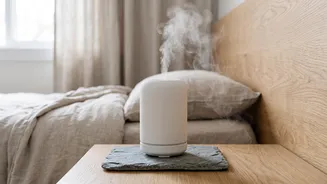
Understanding the real reasons for winter illnesses empowers us to take effective preventive measures. Handwashing remains one of the single most important habits to adopt, as it removes germs you might pick up from surfaces. When indoors, try to improve ventilation by opening a window for even a few minutes each day to disperse airborne particles. Using a humidifier can help maintain indoor humidity between 40% and 60%, an optimal range that hinders virus transmission. Staying up-to-date on vaccinations for illnesses like the flu and COVID-19 provides a crucial layer of protection. And, if you do feel unwell, staying home helps prevent the spread to others.