


The Discard Dilemma
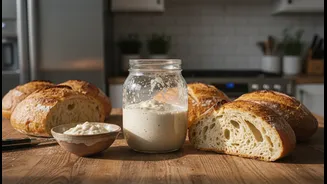
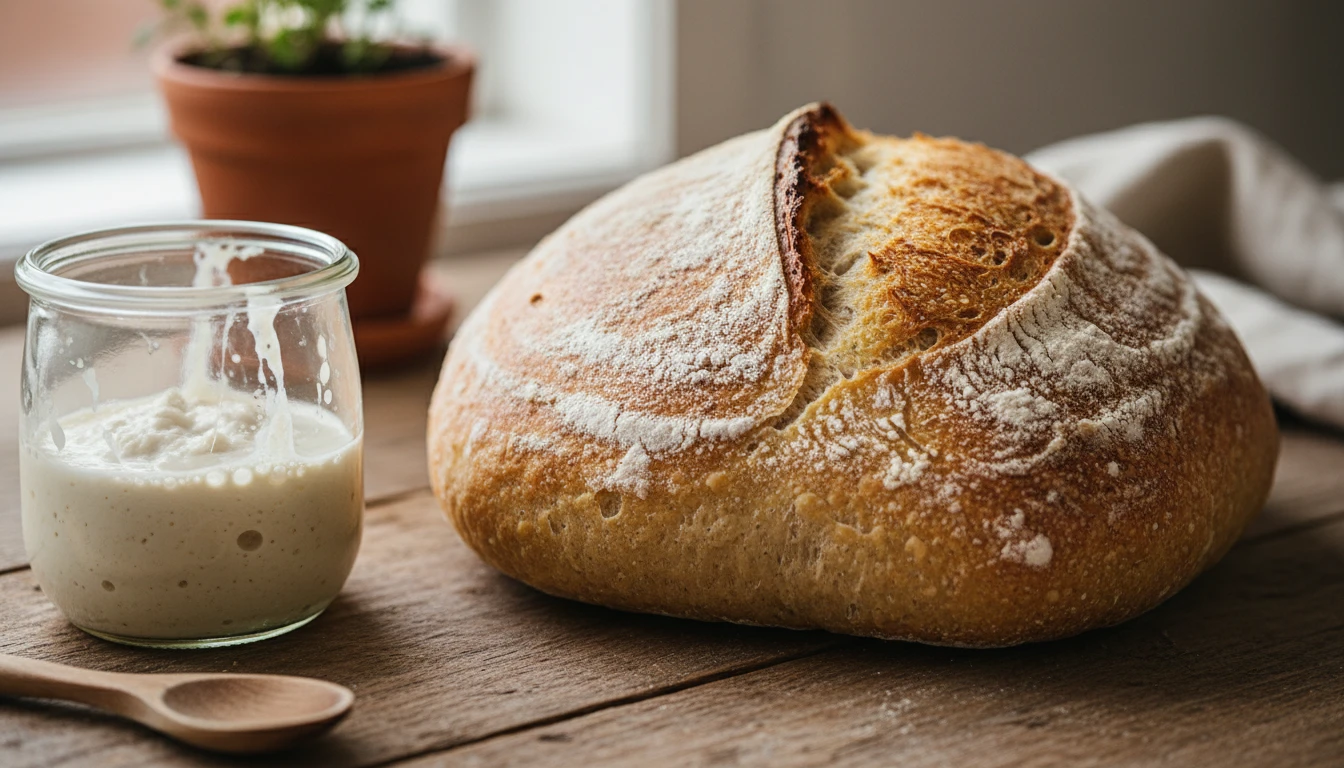
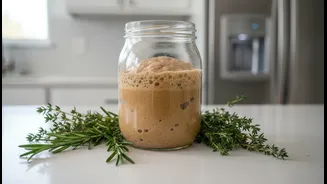
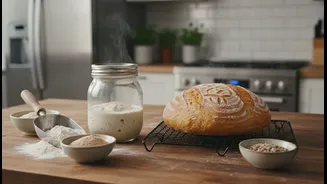
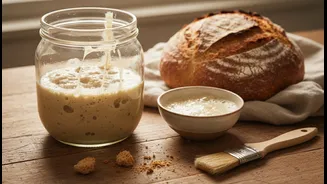
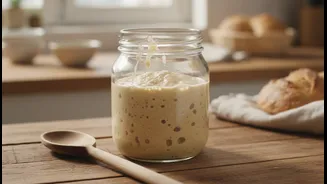
If you’ve dived into the world of sourdough baking, you’re familiar with the daily ritual of feeding your starter. This living culture of flour and water needs regular refreshments to stay active and bubbly. But each feeding involves removing a portion
of the starter to make room for the new additions. This removed portion is what's known as the 'discard'. For many, pouring this tangy, fermented mixture down the drain feels incredibly wasteful, a contradiction to the wholesome, back-to-basics ethos of baking your own bread. This is where a new wave of culinary creativity comes in, transforming what was once considered waste into a prized ingredient.
A Zero-Waste Mindset
Millennial bakers, in particular, are leading the charge in the zero-waste movement from their own kitchens. Raised with a greater awareness of sustainability and resourcefulness, they see sourdough discard not as a problem, but as an opportunity. This shift in perspective aligns perfectly with a growing interest in traditional food practices and a modern desire to reduce our environmental footprint. In India, where the principle of using every last bit is deeply ingrained in our culinary heritage, this trend finds a natural home. Online communities and social media are buzzing with bakers sharing innovative tips and recipes, celebrating the tangy, complex flavour that discard can add to a variety of dishes.
Quick Breakfast Wins
Perhaps the easiest and most popular way to use sourdough discard is in your breakfast routine. The acidity in the discard reacts beautifully with raising agents like baking soda, creating an incredibly light and fluffy texture. Sourdough discard pancakes and waffles are a weekend classic for a reason. They require minimal effort and the discard imparts a subtle, pleasing tang that elevates them beyond a standard mix. For something a bit different, try making English muffins or crumpets; the discard will help develop those coveted nooks and crannies perfect for holding melted butter and jam.
Savoury Snacks and Small Bites
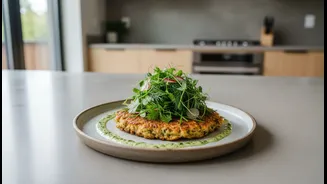
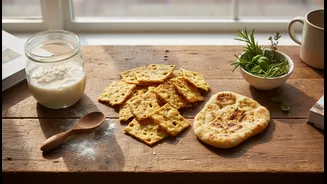
The versatility of sourdough discard truly shines in the realm of savoury snacks. One of the simplest and most satisfying projects is making crackers. Just mix your discard with a bit of flour, fat (like butter or oil), and seasonings, then roll it out thin and bake until crisp. They are endlessly customisable with herbs, spices, or everything bagel seasoning. Beyond crackers, discard can form the base for a quick pizza dough, yielding a flavourful thin crust in a fraction of the time. It can also be used to make soft pretzels, flaky biscuits, or even savoury scallion pancakes, adding a depth of flavour you won't get from flour and water alone.
Indulgent Sweet Treats
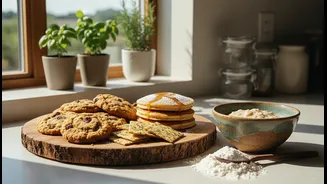
It may sound counterintuitive, but the tangy character of sourdough discard can beautifully balance the sweetness in desserts. It adds a moistness and complexity to baked goods, much like buttermilk or sour cream. Fudgy sourdough brownies are a revelation, with the discard enhancing the rich chocolate notes. It also works wonders in cakes, especially chocolate or spiced varieties like carrot cake, keeping the crumb tender and soft. You can also incorporate it into cookies, banana bread, and scones for a subtle flavour boost and a wonderfully soft texture.
Tips for Discard Success
To get the most out of your discard, keep a few things in mind. You can collect your discard in a dedicated jar in the refrigerator for up to a week. The longer it sits, the more sour it will become, so a fresher discard is better for delicately flavoured recipes, while an older, more pungent discard can stand up to robust flavours in things like rye crackers or chocolate cake. Pay attention to its smell; if it ever smells unpleasantly strong or like nail polish remover, it's best to compost it. Most recipes that use discard are chemically leavened with baking powder or soda, as the discard itself doesn't have the raising power of an active, fed starter.