





The Robots Are Already Checking In
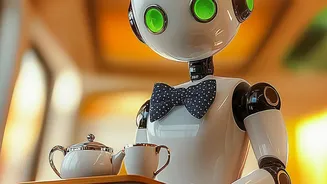
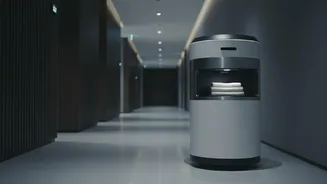
From Mumbai to Bengaluru, major hotel chains are deploying robots to enhance the guest experience and improve operational efficiency. You might see them as concierge bots in the lobby, providing information and amusing guests, or as delivery droids bringing
towels and room service. Some properties even use robotic cleaners for hallways and large public areas. For the hospitality industry, the appeal is clear: robots can handle repetitive tasks, operate 24/7 without getting tired, and free up human staff to focus on more complex guest needs. They also generate valuable data, tracking service demand and operational bottlenecks to help management streamline services. This push for automation is sold as a win-win, offering guests a novel, tech-forward experience while making hotel operations smoother.
More Than Just a Delivery: The Data They Collect
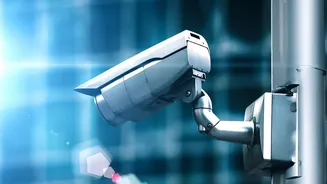
That helpful robot is more than a simple machine; it is a mobile data collection platform. Equipped with cameras and sensors for navigation, these robots can potentially map the interior of your room, log your requests, and, depending on their programming, even record audio and video. This isn't theoretical—a famous Japanese hotel had to apologise after a security researcher discovered its in-room robots could be hacked, allowing outsiders to watch and listen to guests. The data collected goes beyond your food order. It can include patterns of behaviour, biometric data, and personal preferences, all of which can be stored and analysed. While hotels use this to personalize services, it creates a significant privacy risk, especially as the hospitality sector has become a frequent target for data breaches. The hotel room, long considered a sanctuary of privacy, is now potentially filled with unblinking digital eyes and ears.
Is 'Implied Consent' Good Enough?
The fundamental right to privacy has been repeatedly upheld by India's Supreme Court, and this extends to the reasonable expectation of privacy within a hotel room. When a hotel staff member enters a room improperly, it is considered a serious service deficiency and a breach of privacy, as recent consumer court rulings have reinforced. But what about a robot? Currently, guest consent is often buried deep within lengthy terms and conditions signed at check-in. This model is inadequate for the age of autonomous devices. Most guests are unaware of what data is being collected or how it is being used. True consent requires a clear understanding of the trade-off. Simply using a hotel's services should not be interpreted as a blanket agreement to be monitored or have your private space digitally documented. The standards of privacy we expect from human staff must be applied, if not strengthened, for automated ones.
What 'Clear Choices' Should Look Like
To build trust, hotels must move from a model of implied consent to one of explicit choice. This starts with transparency. At check-in, guests should be clearly informed if robots operate on the premises and what data they collect. The choice should be simple: an opt-in or opt-out for robotic services. Perhaps a guest could choose a 'robot-free' floor, similar to how one might select a non-smoking room. The robots themselves should have clear visual cues, such as a light that indicates when a camera or microphone is active. Furthermore, hotels need to adopt a 'privacy by design' approach, ensuring that any deployed technology collects the minimum amount of data necessary and that this data is encrypted and secure. The goal is to give the guest control over their own data and their own environment.
Balancing Innovation with Responsibility
The responsibility for protecting guest privacy falls squarely on the hotels. It is not just a matter of legal compliance but of fundamental brand trust. In a competitive market, hotels that demonstrate a clear commitment to privacy may find it a powerful differentiator. Guests, in turn, have the power to ask questions. Before booking or upon arrival, you can inquire about the hotel's data privacy policies and the presence of any in-room smart devices or robots. While there is no denying the benefits of efficiency and novelty that robots bring to hospitality, these innovations cannot come at the expense of a guest's fundamental right to feel secure and unobserved in their private room. The hospitality industry has a unique duty of care, and extending that duty to the digital realm is the next great challenge.