





The Ceaseless Noise of Modern Life
For anyone living in Mumbai, Pune, or any of India’s bustling urban centres, noise is a constant companion. From the early morning call of a vegetable vendor to the late-night construction and the ceaseless hum of traffic, our brains are always processing
sound. This constant auditory input takes a toll. Studies have shown that chronic exposure to noise can increase levels of cortisol, the body's primary stress hormone. It leads to a state of what experts call 'directed attention fatigue,' where our ability to focus becomes exhausted from constantly filtering out distractions. We become more irritable, less focused, and feel perpetually drained. In this state, the idea of a vacation is not just a want, but a deep-seated need for escape.
Beyond The Popular Tourist Trail
When we think of a getaway from the city, our minds often jump to popular hill stations like Lonavala or Mahabaleshwar. While beautiful, these destinations can often feel like an extension of the city, especially during peak season. Crowded viewpoints, long queues for a boat ride, and the chatter of hundreds of fellow tourists can replace the peace we so desperately seek. The experience, while a change of scenery, isn't always restorative. The alternative is not to stop travelling, but to travel differently. It involves intentionally seeking out what is increasingly rare: genuine, profound quiet. This is where Maharashtra's hidden network of unspoiled lake inlets and serene backwaters comes into its own, offering a fundamentally different kind of escape.
The Science of Restorative Silence
The argument for silence isn't just poetic; it's scientific. When the brain is given a reprieve from external noise, it enters a restorative state. Research has found that even two minutes of silence can be more relaxing than listening to 'relaxing' music, leading to a significant drop in blood pressure and heart rate. Silence allows our brains to activate the 'default mode network,' a state associated with self-reflection, creativity, and processing emotions. It helps regenerate brain cells in the hippocampus, a region crucial for memory and learning. In the context of nature, these effects are magnified. The concept of 'soft fascination,' where our attention is gently held by natural elements like rippling water or rustling leaves, allows our directed attention to rest and recover. This is why an hour by a quiet lake can feel more rejuvenating than a day filled with structured, stimulating activities.
Embracing the Waters of Stillness
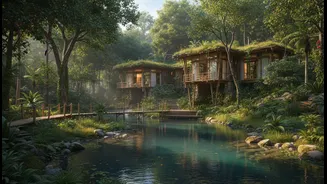
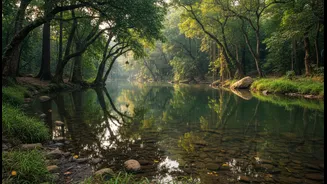
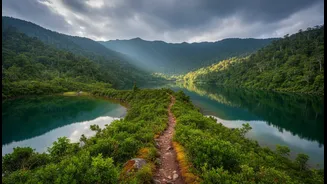
Imagine this: instead of a crowded tourist spot, you find yourself by a lesser-known inlet of a lake like Bhandardara or the quiet backwaters of the Karli River near Tarkarli. The only sounds are the gentle lapping of water against the shore, the distant call of a bird, and the whisper of the wind through the trees. There are no vendors, no loud music, no pressure to take the perfect selfie. In these moments, you are not just a spectator of nature; you are a participant in its calm. The focus shifts from doing to simply being. Places like the serene Dhamapur Lake or the tranquil outskirts of Panshet offer such experiences for those willing to look beyond the obvious. This is not about adrenaline; it is about reconnection—with nature, and more importantly, with yourself.
How to Find Your Own Quiet
Finding this restorative silence requires a conscious shift in mindset. It means choosing destinations not for their popularity, but for their potential for peace. Look for homestays or eco-resorts near less-travelled water bodies. Consider visiting during the weekday or shoulder seasons to avoid crowds. Once there, the most important step is to disconnect digitally to connect sensorially. Put your phone on silent and leave it in your bag. Instead of trying to capture the moment, immerse yourself in it. Notice the way the light hits the water, listen to the different layers of sound in the environment, and feel the ground beneath your feet. This practice of nature-based mindfulness is the key to unlocking the profound restorative benefits the experience has to offer.