



The Foundation: Onion and Tomato Masala
The base of many North Indian curries is a well-cooked masala of onions and tomatoes, and this is your first stop for creaminess. The key is in the preparation. Instead of roughly chopping onions, try making a puree. You can do this by cooking roughly chopped
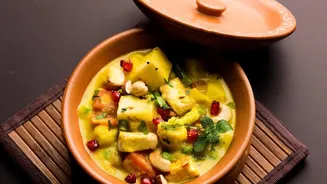
onions in a little oil until they are soft and translucent, then blending them into a fine paste. Some restaurant methods even involve boiling and then blending the onions. When this smooth onion puree is fried gently in oil until it deepens in colour, it creates a thick, slightly sweet, and incredibly smooth foundation. Adding pureed tomatoes and cooking the mixture until the oil begins to separate builds another layer of richness, resulting in a naturally thick and luscious gravy long before any 'cream' is added.
The Power of Nut and Seed Pastes
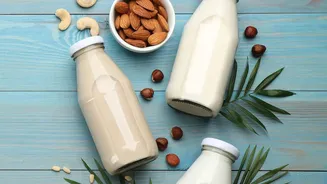
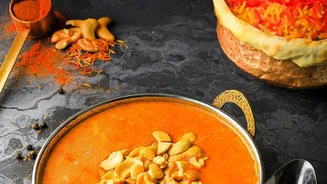
For that classic, royal Mughlai-style creaminess, turn to nuts and seeds. Cashews are the most popular choice, prized for their ability to create a thick, velvety texture with a neutral flavour. To use them, simply soak raw cashews in hot water for at least 30 minutes, then blend them with a little fresh water until you have a completely smooth, cream-like paste. This paste can be stirred into your curry during the last 15 minutes of cooking to thicken it beautifully. Other options include almonds, which work similarly, and white poppy seeds (khus khus) or melon seeds (magaz), which are traditionally used to add body and richness to gravies without an overpowering flavour.
Embrace the Coconut
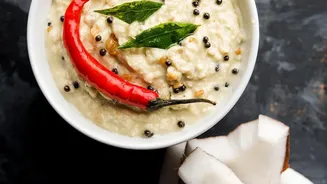
Coconut is a staple in South Indian and coastal curries for a reason. It provides a distinct, fragrant sweetness and a wonderful creamy body. You have a few options here. Full-fat coconut milk is excellent for a luxurious sauce but should be added towards the end of cooking and not boiled fiercely, as it can split. Coconut cream is thicker and richer, providing more body with less liquid. It's a great choice when you want an intensely creamy result. For a different texture, you can also use finely ground desiccated coconut or fresh coconut paste, which add both flavour and substance to the gravy.
Clever Vegetable and Legume Thickeners
Don't overlook the humble vegetables and lentils in your pantry. Blending a small amount of cooked lentils, like masoor or moong dal, into your curry is a traditional and healthy way to thicken it. The dal melts into the gravy, making it hearty and giving the spices something to cling to. Similarly, starchy vegetables can work wonders. A boiled potato, mashed or pureed, will seamlessly thicken a curry. Grated bottle gourd or pumpkin can also be cooked down until they dissolve into the sauce, adding body and a subtle sweetness. Another quick trick is to use a slurry made from gram flour (besan). Simply mix a tablespoon of besan with water to form a paste, then stir it into the simmering curry and cook for a few minutes to remove any raw taste.