








The Algorithm Giveth and Taketh Away
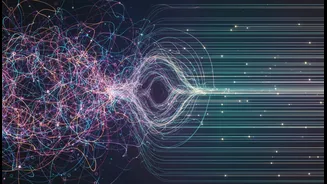
For years, social media has been ruled by the algorithm. These complex systems decide what you see every time you open an app, analyzing your likes, shares, and even how long you pause on a video. Their goal is to maximize engagement to keep you scrolling
and, ultimately, to serve you more targeted ads. This model turned platforms like TikTok and Instagram into giants, with algorithms that are incredibly effective at content discovery. But this efficiency comes at a cost. Users report feeling trapped in echo chambers, seeing the same few accounts repeatedly, and missing important updates from friends and family. This has led to what some call digital burnout, with a growing sense of anxiety and a feeling that maintaining an online presence is work.
The Rise of the Chronological Rebels
In response, a new wave of social experiments is putting control back in users' hands. Platforms are emerging that either default to or exclusively use chronological feeds, where posts appear in the order they were published. Decentralized platform Bluesky, for instance, offers a default chronological "Following" feed and allows users to build or subscribe to other custom feeds, completely sidestepping a central, controlling algorithm. Other apps like Vero have built their identity around being ad-free and algorithm-free from the start. Even major players are taking note; platforms like Instagram and Facebook now offer an optional chronological view, though it's often tucked away in the settings. This shift isn't about rejecting digital life but about seeking healthier, more intentional ways to engage online.
Why Users Are Opting Out of Optimization
The appeal of an algorithm-free feed is rooted in transparency and control. A chronological timeline is predictable; you know you're seeing the latest posts from everyone you follow. This simple change can have a profound impact. Users report that it reduces the addictive, endless scrolling habit that algorithmic feeds are designed to encourage. It can also lead to a more diverse and interesting feed, helping you rediscover accounts you'd forgotten you followed. For many, it's a step toward better digital well-being, reducing the mental fatigue and emotional triggers, like anger or loneliness, that can be amplified by algorithms designed to provoke a reaction. A recent study found that 47% of users have deleted a social app due to stress or anxiety, highlighting the growing demand for less manipulative online spaces.
The Business of Breaking the Mold
Challenging the algorithmic model is also a direct challenge to the ad-based business model that has defined social media for over a decade. If you're not using an algorithm to maximize eyeballs and engagement, how do you make money? Some platforms are exploring alternative revenue streams. Subscription models, where users pay a fee for an ad-free experience, are one option. Others are leaning into creator monetization, allowing users to directly support creators through memberships, which provides a more stable income than unpredictable ad revenue. However, these models face their own hurdles. It remains to be seen if the average user is willing to pay for services they are used to getting for free.
A Niche Movement or the Future of Social?
So, is the algorithm-free movement destined to remain a niche for tech-savvy users, or is it the start of a fundamental shift? The answer is likely somewhere in the middle. The convenience of a well-tuned recommendation algorithm is hard to deny, and for many, it's a valuable tool for discovery. Even proponents of chronological feeds admit they have downsides, such as favoring users who post most frequently. However, the growing discontent with the status quo is undeniable. People are increasingly moving toward smaller, more private communities on platforms like Discord and Telegram, seeking more authentic connection and less algorithmic interference. This user-led migration suggests that while algorithms won't disappear, their dominance is no longer uncontested.