





Tyres: Your First Line of Defence
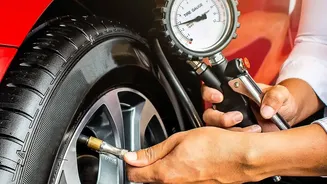
Your tyres are the only part of your car in contact with the road, making them critical for monsoon safety. On wet, winding hill roads, grip is everything. Before you leave, check that your tyres have adequate tread depth—at least 3mm is recommended for monsoon safety. Worn-out
tyres significantly increase the risk of skidding or hydroplaning on slick surfaces. Also, ensure they are inflated to the manufacturer's recommended pressure. Correct tyre pressure ensures optimal handling and braking, which are crucial when navigating steep inclines and sharp curves. Don’t forget to check the spare tyre; you don’t want to discover it’s flat during an emergency on a remote mountain pass.
Brakes: The Ultimate Safety Net
Braking performance is vital, especially on long downhill slopes where brakes are under constant strain. Wet roads can increase your car’s stopping distance, so your brake system must be in top condition. Before your trip, have a mechanic inspect the brake pads, discs, and brake fluid. If you notice any squealing sounds, vibrations, or a spongy feeling when you press the pedal, get it checked immediately. Old brake fluid can absorb moisture, reducing its effectiveness, which is a risk you can't afford on a steep, rainy descent.
Visibility: Wipers, Lights, and Defogger
Heavy rain and fog are hallmarks of a hill-station monsoon, and clear visibility is non-negotiable. Inspect your wiper blades for any signs of cracking or hardness and replace them if they leave streaks or make noise. Top up your windshield washer fluid, preferably with a cleaning solution that can cut through oily road grime. Test all your lights—headlights, taillights, brake lights, and especially fog lamps. Functioning lights ensure you can see the road and, just as importantly, that other drivers can see you in low-light conditions. Also, check that your car’s air conditioner and defogger are working perfectly to prevent the windscreen from fogging up from the inside due to humidity.
Engine and Electrics: The Heart of Your Car
The monsoon's humidity and moisture can wreak havoc on your car's electrical systems. Get your battery checked to ensure it’s in good health, as increased use of wipers, lights, and the defogger puts extra strain on it. Ensure all wiring is properly insulated and there are no exposed or frayed wires that could cause a short circuit. It's also wise to have the engine oil and coolant levels checked and topped up if necessary. A well-maintained engine is less likely to overheat on steep climbs, a common issue in mountain driving.
Protect the Body and Underbody
The constant exposure to water and mud makes your car susceptible to rust, a problem that accelerates in humid conditions. Before your trip, inspect the car’s body for any deep scratches or paint chips and get them repaired to prevent corrosion from setting in. Applying an anti-rust coating to the underbody provides an extra layer of protection against road grime and moisture. Also, check that the rubber seals around the doors and sunroof are intact to prevent water from leaking into the cabin.
Assemble a Hill-Specific Emergency Kit
While a basic first-aid kit is always essential, a monsoon hill drive requires a few extra items. Landslides and roadblocks are common, so you should be prepared for unexpected delays. Your kit should include a powerful torch with extra batteries, a tow strap, jumper cables, and a basic toolkit. Also pack extra food, drinking water, an umbrella, a raincoat, and a power bank for your phone. Having these items can make a significant difference if you find yourself stranded in a remote area.