






From 'Can We?' to 'What's Next?'
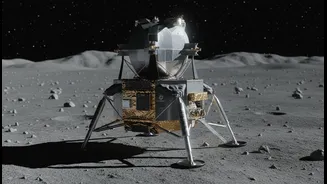
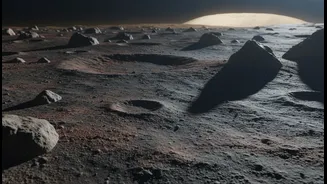
The successful touchdown of the Vikram lander in August 2023 was a monumental feat, making India the fourth country to soft-land on the Moon and the first to do so in the south polar region. It answered the critical question of whether India could master
one of the most challenging manoeuvres in space exploration. With that capability proven, the Indian Space Research Organisation (ISRO) is now focused on a more profound query: 'what's next?' This marks a strategic pivot. The initial phase of India's lunar programme was about demonstrating capability—reaching lunar orbit with Chandrayaan-1 and attempting a landing with Chandrayaan-2. The new 'follow-up era' is about leveraging that capability for ambitious, science-driven objectives that build upon previous discoveries.
Chandrayaan-4: The Ultimate Souvenir
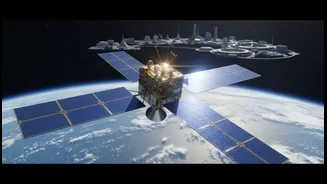
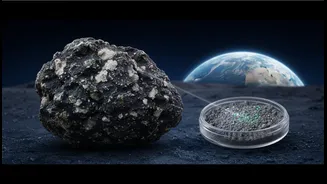
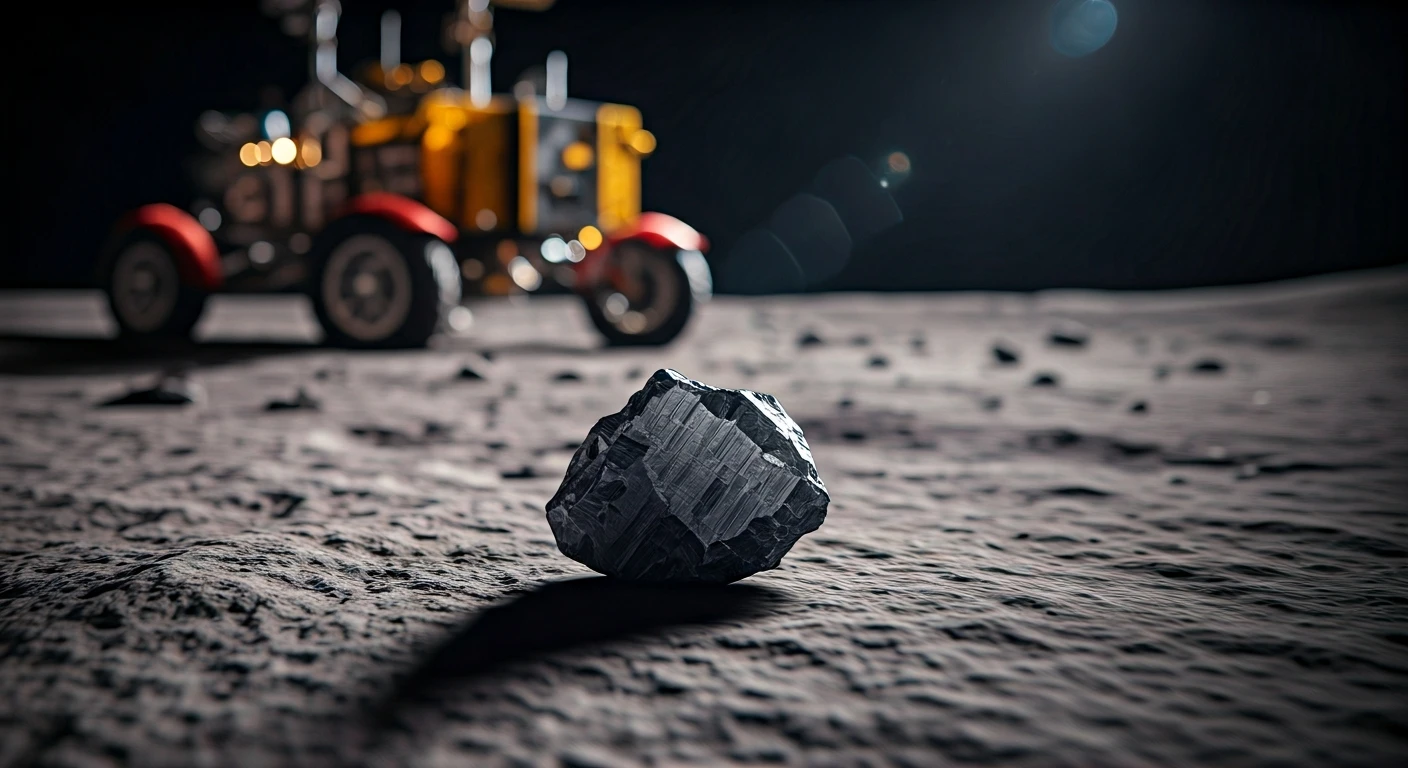
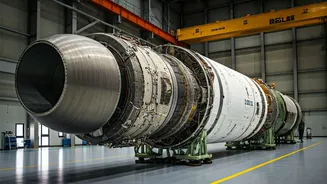
The centrepiece of this new era is Chandrayaan-4, a mission as complex as it is ambitious. Scheduled for launch around 2028, its goal is to do what only a handful of nations have done: collect samples from the Moon's surface and return them to Earth. This is not just a 'been there, done that' exercise. Bringing pristine lunar soil and rock, especially from the geologically rich south polar region, will allow Indian scientists to conduct in-depth analysis in terrestrial labs with equipment far too advanced to send to space. The mission is incredibly complex, requiring two separate launches, multiple spacecraft modules for descent, ascent, orbital docking, and a high-speed re-entry to Earth. Success would validate a whole suite of technologies crucial for even more advanced future missions, including human spaceflight.
A Partnership at the Pole: LUPEX
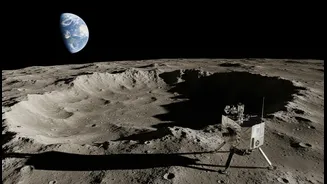
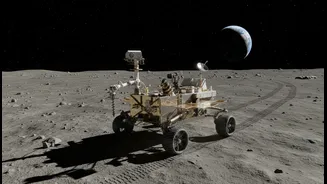
India is not walking this new path alone. The Lunar Polar Exploration Mission (LUPEX) is a major collaboration with the Japan Aerospace Exploration Agency (JAXA). While some sources refer to it as Chandrayaan-5, its official designation is LUPEX. In this joint effort, ISRO will provide the lander, and JAXA will supply the launch vehicle and a sophisticated rover. The mission's primary target is the very reason the south pole is so alluring: water ice. The LUPEX rover, which will also carry instruments from NASA and the European Space Agency, is designed to drill up to 1.5 meters below the surface to directly investigate the quantity and quality of water ice believed to be trapped in permanently shadowed regions. This data is critical for assessing the feasibility of using lunar resources for future long-term missions.
Building a New Scientific Ecosystem
These missions are more than just singular projects; they represent the foundation of a long-term lunar science ecosystem. Chandrayaan-4 is designed to bring back samples, while LUPEX aims to perform in-depth analysis on the Moon itself, including demonstrating technologies for surviving the frigid lunar night. Together, they represent a two-pronged approach to understanding the Moon's resources and environment. The technological leaps required—from robotic arms and sample collection systems for Chandrayaan-4 to the heavy-duty lander for LUPEX—are driving innovation across Indian industry and academia. This sustained, methodical approach lays the groundwork for ISRO's long-term vision, which includes putting an Indian astronaut on the Moon by 2040 and establishing a 'Bharatiya Antariksha Station' (Indian Space Station) by 2035.