






What the Forecast Says
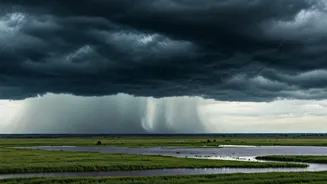
The India Meteorological Department (IMD) has forecast an active week for the monsoon. On Monday, an orange alert was issued for Mumbai, predicting heavy to very heavy rainfall accompanied by thunderstorms and gusty winds for the next few days. Intense
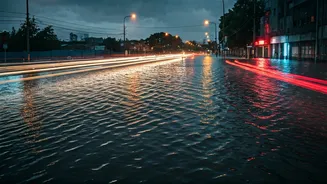
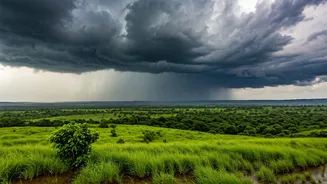
overnight showers have already lashed the city's suburbs, with some areas receiving over 100 mm of rain in just a few hours, leading to immediate waterlogging. Meanwhile, after a period of intense heat, Delhi and other parts of North India are also expecting the monsoon's arrival, with the IMD forecasting a drop in temperatures and scattered thunderstorms. Conditions are favourable for the monsoon to advance further into states like Uttar Pradesh, Uttarakhand, and Gujarat over the coming days.
The Anatomy of Commute Chaos
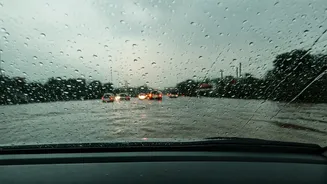
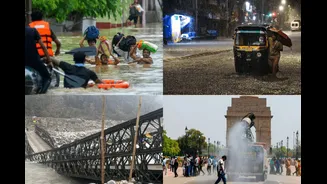
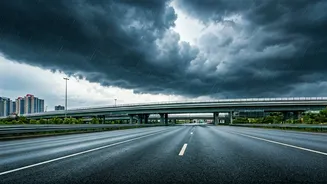
For residents of India's metros, the phrase "commute chaos" during monsoon is a painfully familiar one. The core issue is often overwhelmed infrastructure. In cities like Mumbai and Delhi, even a few hours of intense rain can lead to severe waterlogging, turning key arterial roads into impassable waterways. Chronic flooding spots, such as the Andheri subway in Mumbai, are frequently forced to close, causing a ripple effect across the entire traffic network. This is often exacerbated by outdated or clogged drainage systems, a problem civic bodies attempt to address with pre-monsoon desilting drives, though the results are often mixed. The sheer volume of traffic means that even minor disruptions can quickly cascade into city-wide gridlock, leaving commuters stranded for hours.
Before You Leave Home
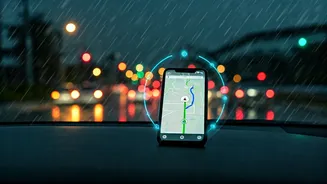
A smooth monsoon commute begins before you even step out of the door. The most crucial first step is to check for real-time updates. Don't just rely on standard weather apps; use live traffic applications like Google Maps or Waze to check for waterlogged routes and major jams. Many city traffic police departments, including Bengaluru's, are active on social media and dedicated apps, providing instant alerts on road closures and diversions. It is also wise to assemble a small monsoon kit. This should include a powerful umbrella, a waterproof bag for your electronics, and a fully charged power bank, as long delays are common. Having some cash on hand can also be a lifesaver if digital payment systems are disrupted.
Navigating Your Journey
If you must travel, choosing your mode of transport wisely can make all the difference. In cities with a metro network, it is often the most reliable option during heavy rains, as it is largely unaffected by road-level waterlogging. However, be prepared for larger crowds. If you are driving, preparation is key. Ensure your vehicle's tyres have good tread, and that the brakes and wipers are in excellent condition. Stick to familiar routes and avoid driving into submerged underpasses or waterlogged streets where the road condition is hidden. For those on two-wheelers, wearing a helmet and proper rain gear is non-negotiable for safety. Above all, the most important tool is patience. Rushing in these conditions increases the risk of accidents.
Stay Alert and Informed
During periods of intense rainfall, conditions can change rapidly. Keep monitoring official sources for updates throughout your journey. Local news channels and radio stations often provide continuous coverage of traffic and weather. In Bengaluru, for instance, authorities have identified over ten major waterlogging-prone areas and advise commuters to be extra vigilant there. In Mumbai, areas along LBS Marg in Mulund and the suburbs of Versova and Mankhurd have seen significant waterlogging from the recent showers. Knowing which areas are worst affected can help you make informed decisions and find alternative routes before you get stuck. The key is to stay flexible with your travel plans and prioritize safety over speed.