





The End of the Off-Season
For years, the Indian travel calendar was predictable: a frantic rush during the summer holidays and another peak around Diwali and Christmas. The monsoon months from June to September were typically a quiet period, written off by many due to rain. That
is no longer the case. Recent booking data from July 2026 shows a dramatic surge in monsoon travel, with some hotels reporting growth of 10-15% over the previous year. Travel fintech platform Scapia noted a nearly tenfold increase in hotel bookings for destinations like Munnar and Mussoorie compared to the same period last year. What was once considered the tourism off-season is now a bustling period, proving that domestic leisure travel is no longer confined to just two peak windows.
What’s Driving the Monsoon Rush?
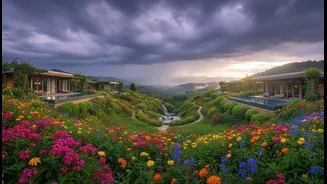
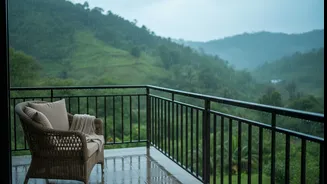
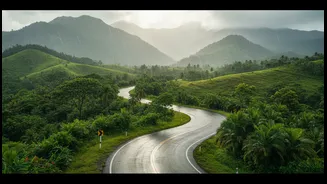
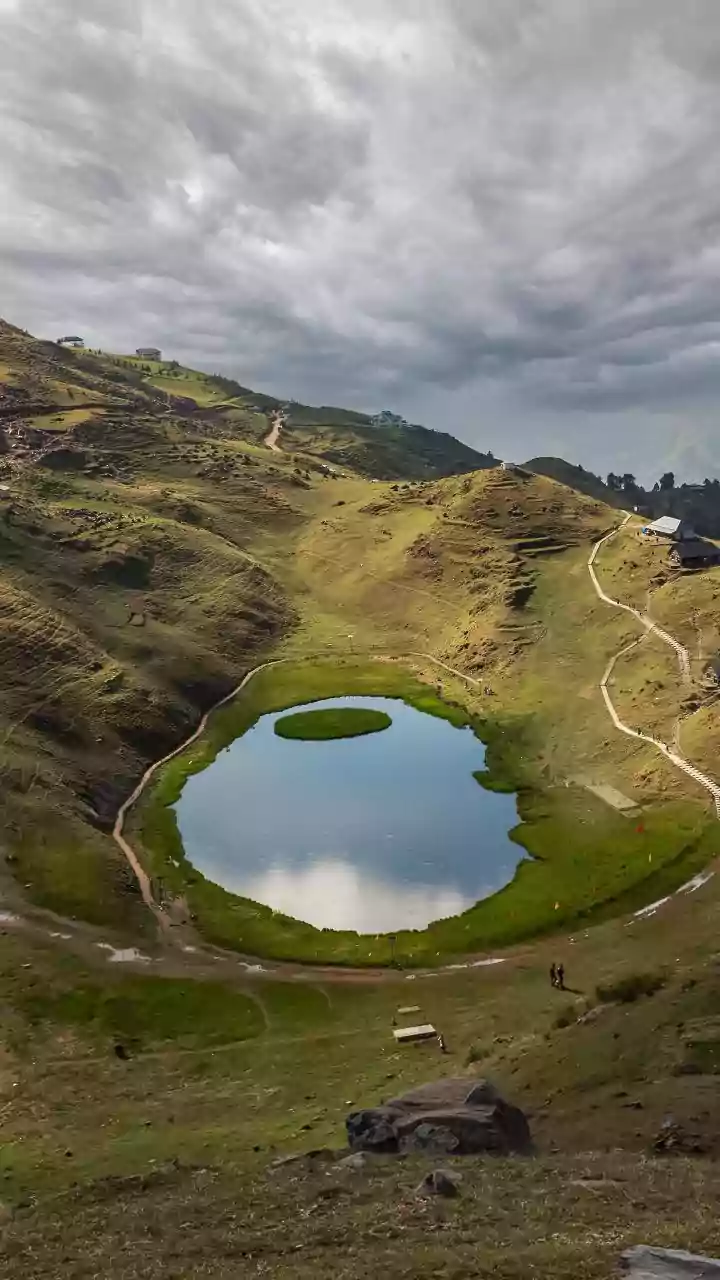
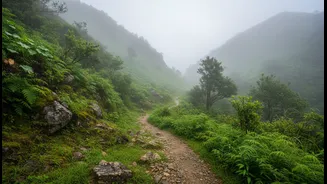
Several factors are fuelling this trend. A major driver is the desire to escape crowds and experience destinations in a more authentic way. The monsoon transforms landscapes, turning hills a lush green and bringing waterfalls to life, offering a unique beauty unavailable in drier months. This has a strong appeal for travellers seeking experience-led getaways. Cost is another significant factor. Historically, the monsoon season meant lower prices for flights and luxury accommodation. While sustained demand is making prices more resilient, travel companies are still rolling out attractive deals and monsoon-specific packages to lure travellers. Furthermore, the rise of remote and flexible work arrangements has untethered many from traditional holiday calendars, allowing them to take shorter, more frequent trips throughout the year.
Popular Destinations for a Rainy Day
The monsoon travel boom isn't limited to one region; it's a nationwide phenomenon. Perennial favourites like Goa and Kerala are seeing massive footfall. In Goa, hotel searches on some platforms have risen by nearly 40% in July compared to the peak summer season. In the south, destinations in the Western Ghats like Coorg, Wayanad, and Munnar are immensely popular for their misty hills, coffee plantations, and verdant tea gardens. In Maharashtra, Lonavala, Mahabaleshwar and Amboli attract weekend crowds from nearby cities. Even Rajasthan, known for its arid climate, sees places like Udaipur become more appealing as its lakes fill up. In the north, hill stations like Mussoorie and Nainital are also drawing significant numbers of visitors.
A New, Experience-Hungry Traveller
This trend highlights a fundamental shift in the mindset of the Indian traveller. The focus is moving away from simply visiting a place to having a specific kind of experience. According to Booking.com, travellers are increasingly choosing destinations that align with personal interests, whether it's wellness, spirituality, or outdoor adventure. Rishikesh, for instance, has seen a 200% year-on-year increase in searches, jumping to become one of the most sought-after domestic destinations. This indicates a move towards more intentional travel, where the goal is a deeper connection with nature or culture, something the quiet, atmospheric monsoon season is perfectly suited to provide.
The Industry Adapts and Thrives
The travel and hospitality industry has been quick to adapt to and capitalize on this trend. Hotels and resorts are no longer viewing the monsoon as a slump but as a third peak season. Chains like Radisson Hotel Group and IHCL are reporting strong bookings and launching specific monsoon promotions. This sustained demand helps improve hotel occupancy and provides a more stable, year-round business model. For travellers, this means more options and curated experiences designed specifically for the season. For the industry, it signals a maturing market where demand is driven by a diverse set of preferences, extending well beyond the traditional summer vacation.