

A Minor Shower with Major Potential
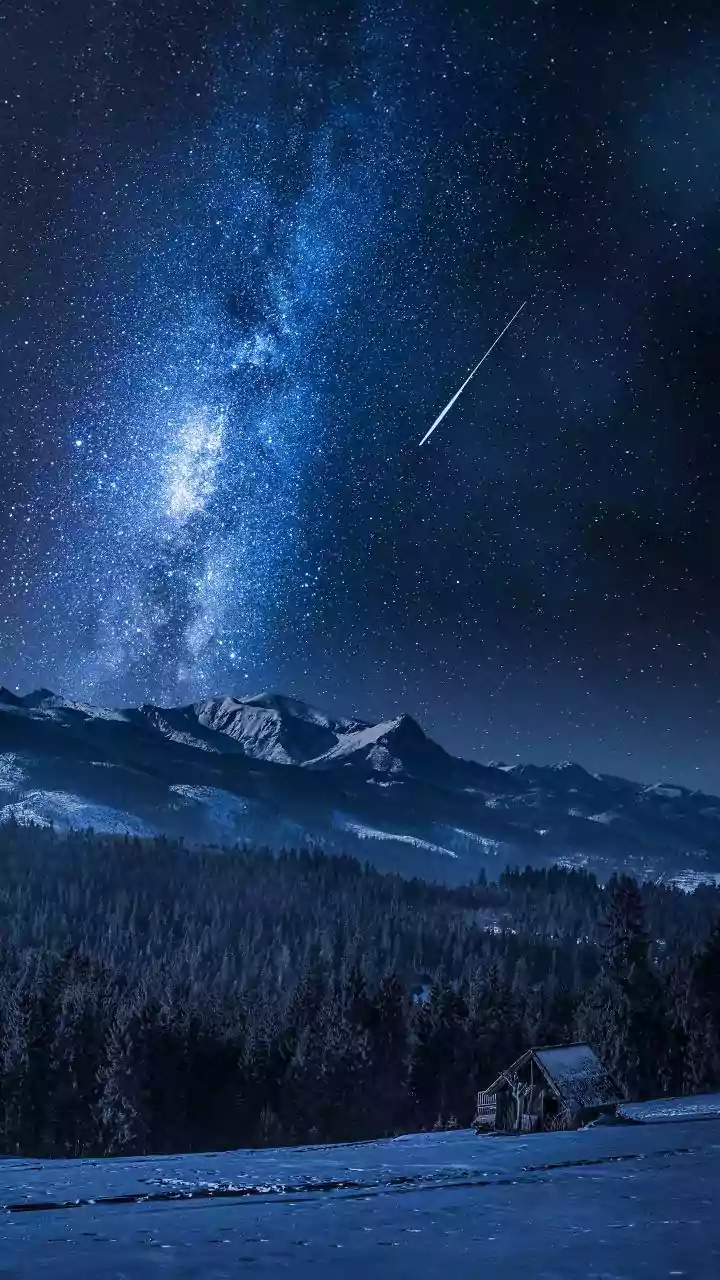
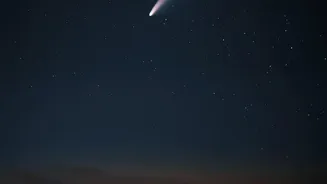
The Perseid meteor shower, which peaked mid-month, remains active until late August, so stray shooting stars are still possible. However, the next named event is the Kappa Cygnid meteor shower. Active from early August until around the 28th, this shower is very
minor, producing only about three meteors per hour at its peak around August 17-18. What makes it noteworthy is its reputation for producing occasional fireballs—exceptionally bright, slow-moving meteors that can light up the entire sky. With the moon being a waxing crescent, its light will not significantly interfere with viewing for most of the night, offering favourable dark-sky conditions for those patient enough to catch a glimpse. The shower’s radiant point is in the constellation Cygnus, which is well-placed for viewing from the Northern Hemisphere.
Saturn Begins Its Ascent
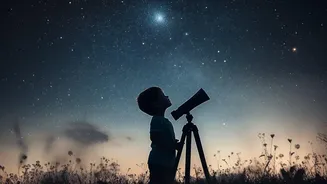
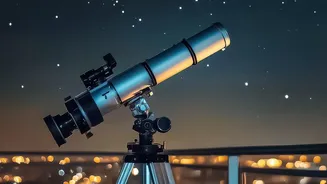
The true star of the late August sky is the planet Saturn. While its spectacular opposition—when it is at its biggest and brightest for the year—is not until early October, the observing season is officially beginning. Through late August, the ringed planet will rise in the mid-evening and will be visible for most of the night, becoming a prime target for telescopes. By the end of the month, it will be higher in the sky, providing clearer and more stable views away from the atmospheric haze near the horizon. Saturn will be shining brightly in the constellation Pisces, making it easy to spot even with the naked eye as a steady, yellowish point of light. A good pair of binoculars might reveal its oblong shape, but even a small telescope will begin to resolve its iconic rings, a sight every skywatcher should experience.
A Farewell to Mercury, a Glimpse of Mars
The speedy planet Mercury put on a good show in the pre-dawn sky earlier in the month, but it will disappear into the sun's glare as it approaches superior conjunction on August 27. Mars remains a naked-eye object in the morning sky. It was part of a large six-planet alignment around August 12 and will continue to be visible before sunrise for those who are early risers. Though not as prominent as it will be in the coming months, it offers a distinct reddish hue that sets it apart from the surrounding stars. Other planets like Jupiter remain very low on the horizon in the morning twilight, making them challenging to observe.
A Lunar Eclipse (Not For India)
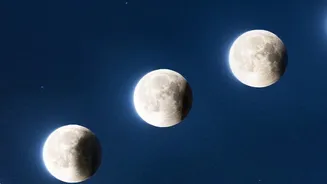
Skywatchers might see news of a partial lunar eclipse on August 28. During this event, a portion of the moon will pass through the Earth's dark shadow. However, it's important to note that this particular eclipse will not be visible from India. Visibility is limited to the Americas, Europe, and Africa. The next total lunar eclipse visible from India will not occur until March 2026, making that a key event to look forward to.
Tips for Beating the Monsoon Clouds
August is peak monsoon season for much of India, which is the biggest challenge for any skywatcher. Clouds can frustrate even the most dedicated observers. Your best bet is to be flexible and take advantage of any break in the weather. High-altitude, rain-shadow regions like Ladakh and Spiti Valley offer the best chances for clear skies during this month. For those in cities, the key is to find a location away from direct streetlights, allow your eyes at least 20 minutes to adjust to the darkness, and be patient. Even a short gap in the clouds can reveal the wonders waiting overhead.