






The ISRO-Centric Universe
For over fifty years, the Indian Space Research Organisation (ISRO) was the beginning and end of the road for space aspirants in the country. From building satellites to launching rockets, ISRO did it all, earning a formidable global reputation for its
ambitious and cost-effective missions. For students, landing a scientist or engineer role at ISRO was the ultimate dream, a stable and prestigious career path that involved working on projects of national importance. The annual intake was fiercely competitive, with hundreds of thousands of applicants vying for a few hundred positions, cementing ISRO's status as the sole gatekeeper to the cosmos.
A New Galaxy of Opportunity
This long-standing paradigm began to shift dramatically in June 2020. The Indian government announced landmark policy reforms, opening the space sector to private enterprise. This led to the creation of the Indian National Space Promotion and Authorisation Centre (IN-SPACe), a single-window agency designed to regulate, promote, and authorise the activities of non-government entities. This policy change acted like a big bang, sparking a startup revolution. As of 2026, India is home to over 400 space startups, transforming the industry from a government-led monologue into a dynamic public-private dialogue.
Meet the New Private Players
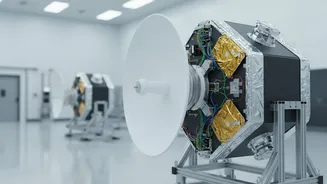
Leading this new wave are several well-funded and technically credible startups, many founded by former ISRO scientists. Companies like Skyroot Aerospace, which successfully launched India's first privately developed rocket, Vikram-S, and Agnikul Cosmos, known for its 3D-printed rocket engines, are building launch vehicles to deploy small satellites. In the satellite sector, companies like Pixxel are building constellations for hyperspectral Earth imaging, while Dhruva Space offers full-stack satellite building and ground station services. Others, like Bellatrix Aerospace and Digantara, are focusing on critical niches like eco-friendly propulsion systems and space debris tracking, respectively.
The Shifting Student Mindset
This explosion of private activity is fundamentally changing career calculations for students. While the prestige of ISRO remains, startups offer a different, often more agile, career trajectory. The roles are diverse, spanning not just aerospace engineering but also software development, AI, robotics, and data analytics. These private companies promise faster-paced work environments, steeper learning curves, significant work ownership from day one, and the potential for financial upside through employee stock options. For a new generation of talent, the opportunity to build something from the ground up and see it fly in months rather than years is a powerful draw.
ISRO's Evolving Role
The rise of the private sector isn't a threat to ISRO; it's a strategic evolution. By allowing private players to handle more routine and commercial activities like building launch vehicles and small satellites, ISRO is freeing up its own resources to focus on what it does best: deep space exploration, scientific research, and national security missions. The agency is now embracing a new role as a mentor and enabler, providing its world-class facilities, technical guidance, and technology transfer to help these startups grow. This symbiotic relationship is crucial for creating a robust and self-reliant national space ecosystem capable of competing on the global stage.