




A Tale of Two Tropical Favourites
In the grand theatre of Indian fruits, mangoes and papayas are certified superstars. Mango arrives with the fanfare of summer, a seasonal celebrity celebrated in everything from poetry to pickles. Papaya, on the other hand, is the quiet, year-round workhorse,
consistently available and reliably good. Both are delicious, nutrient-dense, and deeply woven into our culinary fabric. But they are not interchangeable. Choosing between them isn't about finding a 'miracle' fruit, but about understanding their distinct personalities and what each brings to your plate.
The Nutritional Scorecard
Let's start with the basics. Per 100 grams, papaya is the lighter option, containing around 43 calories, while mango has about 60. This difference comes down to their carbohydrate and sugar content. Mango packs about 15 grams of carbs and 14 grams of sugar, which is what gives it that intensely sweet, luscious flavour. Papaya is more modest, with about 11 grams of carbs and only 8 grams of sugar. Both have similar, decent amounts of dietary fibre—around 1.6 to 1.7 grams—which is crucial for good digestion. Where they really start to diverge is in their vitamin profiles.
Vitamins: A Story of A and C
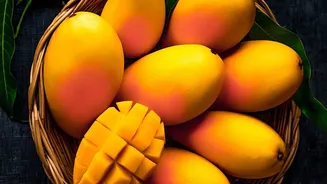
If you're looking for a Vitamin C boost, papaya is the clear winner. A 100-gram serving of papaya can provide over 60 mg of Vitamin C, which is a significant portion of your daily requirement and helps support a strong immune system. Mango is no slouch, offering a respectable 36 mg of Vitamin C, but papaya takes the lead here. However, when it comes to Vitamin A, the roles are reversed. Thanks to its high concentration of beta-carotene, the pigment that gives it that golden-orange hue, mango is a Vitamin A powerhouse. This vitamin is essential for good vision and skin health. So, the 'better' fruit depends on which vitamin you need more of.
Digestion and Blood Sugar
Papaya is famous for containing papain, a natural enzyme that helps break down proteins and can aid digestion, which is why it's often recommended after a heavy meal. Both fruits contain fibre that supports gut health, but papain gives papaya a unique digestive edge. When it comes to blood sugar, things get interesting. Despite having more sugar, mango often has a slightly lower glycemic index (GI) of around 51, compared to papaya's 56-60. This means mango might cause a slower, more gradual rise in blood sugar for some people. However, because papaya is lower in total sugar, the overall impact might be less if you stick to a standard portion size.
In the Indian Kitchen
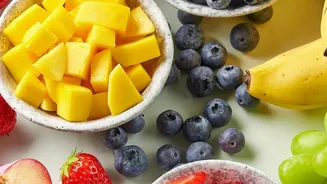
Here, both fruits showcase incredible versatility. The ripe mango is the star of desserts like 'aamras', 'shrikhand', and 'kulfi'. But the raw mango, or 'kairi', is a culinary hero in its own right, used to make cooling 'aam panna', tangy dals, rice dishes, and of course, countless varieties of 'achaar' (pickle). Papaya also has a dual identity. The ripe fruit is typically eaten plain for breakfast or in fruit salads. But raw papaya is a fantastic vegetable. It's used across India to make sabzis, chutneys, and even parathas. Its ability to act as a natural meat tenderiser, thanks to the papain enzyme, is another celebrated quality.
Seasonality, Cost, and the Final Verdict
Your wallet and the calendar play a big role in this fruity faceoff. Mango season is a glorious, but relatively short, affair, primarily running from March to July depending on the region and variety. This limited availability can sometimes drive up the price, especially for prized varieties. Papaya, in contrast, is available all year round and is generally one of the more budget friendly fruits in the market. So than which one should you choose? The answer isn't about which is 'healthier', but what fits your needs. If you're watching your sugar intake or looking for a digestive aid than papaya is an excellent year round choice. If you want a seasonal treat packed with Vitamin A and incredible flavour than nothing beats a ripe mango.