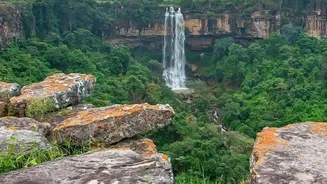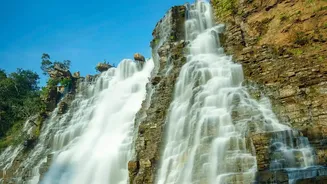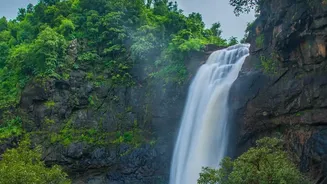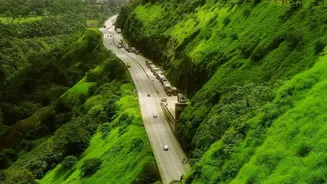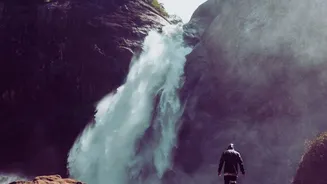






The post-monsoon season transforms Karnataka, bringing its many waterfalls to life in a spectacular display of nature's power. Before you chase these cascades, however, it's vital to understand the risks and rules that ensure a safe journey.
The Post-Monsoon Allure and Its Dangers
From October
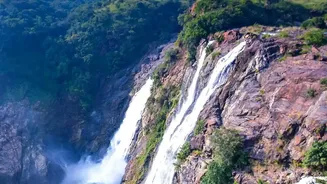
to December, the state’s waterfalls are at their most majestic. Fed by months of rain, rivers like the Kaveri and Sharavathi are full, creating powerful, roaring cascades. This period offers the perfect balance of impressive water flow and clearer weather, making it the ideal time for visitors. However, this beauty comes with inherent risks. The ground is often slippery from persistent dampness, water currents can be deceptively strong, and sudden surges in water levels are possible. Authorities frequently issue warnings and may even restrict access to certain areas to prevent accidents, which have tragically occurred in the past. Your safety must be the top priority.
Universal Safety Rules for Any Waterfall Visit
Regardless of which waterfall you visit, some safety rules are universal. First, always check the latest weather conditions and local advisories before you leave. The Karnataka Forest Department and district administrations often post updates, sometimes banning entry to specific falls during periods of heavy rain or other dangers. Second, never underestimate the power of water. Swimming is strictly prohibited at most major falls like Shivanasamudra and Abbey Falls due to powerful undercurrents and submerged rocks. Third, stick to designated paths and viewing areas. Crossing safety barriers for a selfie or a better view can have fatal consequences, as rocks are incredibly slippery and gorges can be deep. Finally, avoid visiting alone and ensure your phone is fully charged.
Essential Gear: What to Wear and Pack
Dressing appropriately can make a significant difference. Sturdy shoes with excellent grip are non-negotiable. Avoid smooth-soled sandals or slippers, as they are a major cause of falls on wet, uneven terrain. A lightweight raincoat or umbrella is a wise addition, as weather can be unpredictable. Your daypack should include a basic first-aid kit, sufficient drinking water, and some snacks, as food stalls may be limited at more remote locations. A waterproof bag or case to protect your phone and camera from spray and rain is also highly recommended.
Understanding Entry Timings and Guidelines
Most popular waterfalls in Karnataka have official visiting hours. For instance, Shivanasamudra (both Gaganachukki and Bharachukki) is typically open from 8 AM to 5 PM. Abbey Falls in Coorg generally welcomes visitors from 9 AM to 5 PM. Jog Falls has longer hours, often from morning until evening. Be aware that these timings can change without notice due to weather conditions or administrative decisions. Some locations, especially those involving treks like Bandaje Falls, require permits from the Forest Department. Authorities have also started imposing limits on visitor numbers at some sites to prevent overcrowding and ensure safety. Always verify the latest entry fees, timings, and permit rules before your trip.
Spotlight: Shivanasamudra and Abbey Falls
At Shivanasamudra, the Kaveri river splits into two spectacular falls: Gaganachukki and Bharachukki, located about 15 km apart by road. Viewing decks are available, but entry into the water is strictly forbidden due to lethal currents. Coracle rides are sometimes offered near Bharachukki, but these are suspended during the monsoon and post-monsoon high-flow periods for safety. Abbey Falls, near Madikeri, is easily accessible via a short walk through a coffee plantation. A hanging bridge offers a fantastic viewpoint, but like other falls, entering the water is not allowed. The area can get crowded, so an early start is recommended.
Responsible Tourism: Leave No Trace
The stunning beauty of these natural sites depends on visitors' respect for the environment. Littering has become a significant issue at many popular tourist spots. Always carry your waste back with you and dispose of it responsibly. Do not play loud music, and respect the tranquility of the natural surroundings. Forest departments have warned that those who violate regulations, including littering or entering restricted zones, may face legal action. By being a responsible tourist, you help preserve these incredible landscapes for everyone to enjoy.