







A National Obsession with Tang
India's love affair with sour flavours is a story told in kitchens and on street corners across the country. It's a fundamental pillar of our cuisine, as essential as salt or spice. This preference isn't a recent trend; it's a deep-seated tradition passed
down through generations. The word 'chaat' itself, a category of snacks beloved nationwide, is said to derive from the word for 'to lick', evoking the very sensation of savouring something delightfully tangy. This affinity for sourness is more than just a taste preference; it's woven into our cultural and culinary identity, from everyday meals to festive feasts. Whether it's a squeeze of lime over a hot curry or the sharp kick of a pickle on the side, sourness provides a refreshing counterpoint, balances richness, and makes flavours sing.
A Regional Tour of Souring Agents
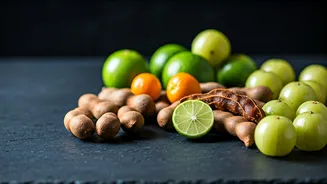
The expression of sourness in India is incredibly diverse, shaped by geography and climate. In the South, tamarind, or 'puli', is the undisputed king, lending its deep, tangy notes to staples like sambar and rasam. Travel to the west coast, particularly the Konkan region, and you'll find kokum, a deep purple fruit that imparts a unique, slightly floral sourness and a beautiful pink hue to dishes like solkadhi. In North India, the flavour profile often relies on amchur (dried raw mango powder), which provides a sharp, fruity tang to everything from curries to kebabs. And of course, tomatoes and yogurt (dahi) are used ubiquitously across the country to add a milder, creamier sourness to gravies and marinades. This regional variety showcases an incredible culinary ingenuity in harnessing local produce to achieve that perfect tangy balance.
The Wisdom of Ayurveda and Climate
Ancient traditions like Ayurveda have long recognised the importance of the six tastes (rasas), with sour (amla) playing a vital role. The sour taste is believed to stimulate digestion, awaken the senses, and energize the body and mind. It increases salivation, which is the very first step in the digestive process. Traditionally, sour ingredients were often paired with foods that could cause gas, like beans, to aid digestion. Beyond ancient wisdom, there's a climatic logic. In a predominantly hot country, sour flavours are incredibly refreshing. A glass of tangy kokum sherbet or aam panna can feel more thirst-quenching than plain water, a sensation that Ayurveda also notes. This cooling effect, both perceived and as believed in traditional medicine, makes sour foods a natural fit for the Indian climate.
More Than Just a Taste Enhancer
The role of souring agents extends beyond just adding flavour. Acidity is a natural preservative. Before the age of refrigeration, pickling vegetables and fruits in acidic brines of vinegar or lime juice was a crucial method of extending their shelf life. This tradition of 'achaar' is still a cornerstone of Indian meals. Furthermore, acidic marinades using yogurt, lime, or amchur help to tenderize meats, breaking down proteins to make them more succulent. Many sour ingredients are also nutritional powerhouses. Amla (Indian gooseberry), lemons, and raw mangoes are packed with Vitamin C, an essential nutrient that our ancestors unknowingly benefited from by incorporating these ingredients into their diet.