





Choose Your Champions: The Easiest Herbs to Start With
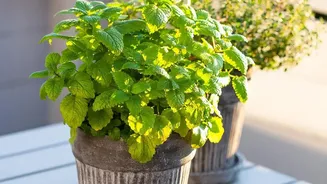
The key to a successful balcony garden is starting with plants that are forgiving and suited to the Indian climate. Mint (Pudina) is a great choice as it grows vigorously with minimal effort and can tolerate partial shade. Holy Basil (Tulsi) is another
resilient option, revered for both its culinary and medicinal properties, and it thrives with regular watering and sunlight. Coriander (Dhania) is perfect for getting quick results, though it prefers cooler weather. For a long-term reward, plant a Curry Leaf (Kadi Patta) sapling; it starts slow but becomes a staple. Lemongrass is also incredibly easy to maintain and adds a wonderful fragrance to your balcony and your tea. These herbs are not only common in Indian cooking but also hardy enough to handle the learning curve of a new gardener.
The Right Home: Pots and Containers for Small Spaces
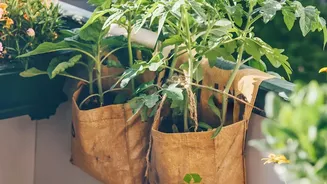
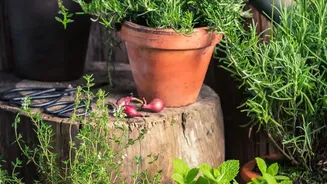
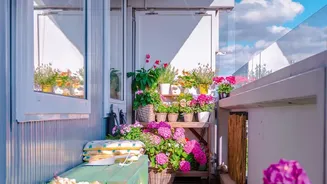
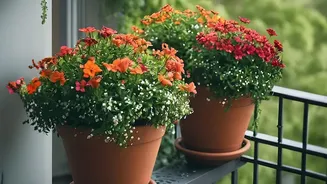
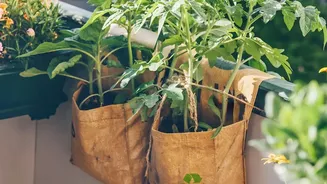
When floor space is at a premium, thinking vertically is essential. Railing planters are an excellent way to utilize wasted space, hanging securely over the edge of your balcony without cluttering the floor. Vertical planters, which can be wall-mounted or tiered stands, allow you to grow multiple herbs in a small footprint. For a budget-friendly and creative approach, you can even use recycled containers like plastic bottles or old buckets, as long as you ensure they have proper drainage holes at the bottom. Terracotta pots are a classic for a reason; their porous material is breathable and helps protect plant roots from sudden temperature changes, making them ideal for sunny balconies. Whatever you choose, good drainage is non-negotiable to prevent root rot.
Getting the Basics Right: Sunlight and Soil
Before you even buy a plant, observe your balcony. Most herbs need at least four to six hours of sunlight each day to thrive. A south or west-facing balcony is often ideal, but even if you have less light, you can still grow shade-tolerant herbs like mint. The foundation of any healthy plant is its soil. Instead of using heavy garden soil, opt for a high-quality, well-draining potting mix. You can easily find pre-made mixes or create your own by combining garden soil, cocopeat, and compost. This lighter mix provides essential nutrients and prevents the soil from becoming compacted or waterlogged in a pot.
The Daily Ritual: Watering and Simple Care
One of the most common beginner mistakes is overwatering. Herbs generally prefer their soil to be moist but not soggy. A good rule of thumb is to stick your finger about an inch into the soil; if it feels dry, it’s time to water. During hot summers, you'll need to water more frequently, but always check the soil first. Water the base of the plant to keep the leaves dry and prevent fungal issues. To keep your herbs growing bushy and full, prune them regularly by snipping off the top leaves. This not only encourages new growth but also gives you a fresh harvest for your meals. Feed your plants with a balanced liquid fertilizer every few weeks during the growing season to keep them healthy and productive.
Harvest and Enjoy Your Fresh Bounty
The ultimate reward of your balcony garden is harvesting your own fresh herbs. Regular harvesting is actually good for the plants. For leafy herbs like basil, mint, and coriander, snipping the top sets of leaves encourages the plant to grow bushier. With a curry leaf plant, you can pluck individual leaves as needed for your tadka. Using your homegrown herbs transforms everyday cooking. The flavour and aroma of freshly picked herbs are far superior to their store-bought, dried counterparts. From a sprig of mint in your evening chai to a handful of coriander to garnish your dal, your small balcony garden can provide a daily dose of freshness and a deep sense of satisfaction.