









From Limited Menus to Limitless Choice
Not long ago, food on a train meant a standard, often uninspired, meal from the pantry car or a risky purchase from a platform vendor. Today, the experience is unrecognizable. The primary driver behind the boom in train food orders is the sheer variety
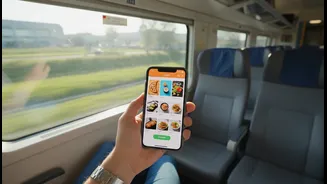
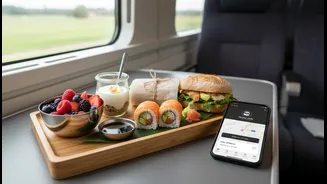
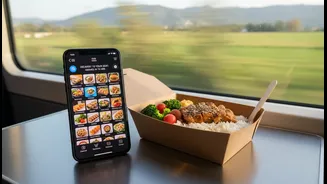
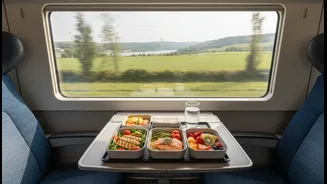
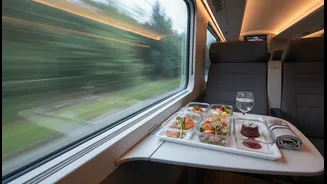
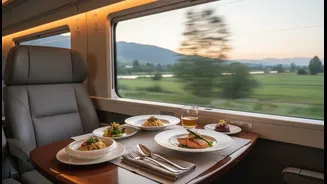
now available. Through IRCTC's official e-catering platform and partnerships with food aggregators like Swiggy, RailRestro, and Zoop, passengers can access menus from hundreds of FSSAI-approved restaurants located at stations along their route. Whether you crave a Domino's pizza, a local thali, biryani, or even Jain-specific meals, it's all accessible with just a few taps on your smartphone. This shift from a supply-driven menu to a demand-driven one has fundamentally changed passenger expectations and satisfaction.
The Simple Tech Behind a Hot Meal
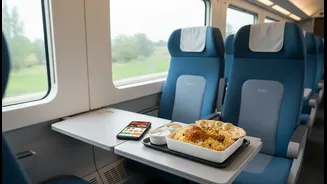
The service's utility is anchored in its simple, tech-driven process. Passengers only need a valid PNR number to get started. By entering this number on an app or website, the system automatically identifies the train's route and displays a list of stations where food delivery is available. You can browse restaurants, place an order, and pay digitally. Advanced logistics ensure the meal is prepared fresh and delivered directly to your seat when the train halts at the chosen station, eliminating the need to disembark. Some platforms even sync with the National Train Enquiry System, allowing restaurants to track train delays and time their cooking perfectly to ensure the food is hot on arrival. Recent innovations like Swiggy's 'Scan Your Ticket' feature further simplify the process by auto-detecting the PNR from a ticket image.
Solving the Quality and Hygiene Puzzle
A long-standing concern for train travellers has been the questionable hygiene of food. E-catering platforms have made solving this a core part of their service utility. By partnering exclusively with restaurants that are FSSAI-approved, they introduce a layer of accountability and quality control that was previously missing. Passengers can view ratings and reviews for restaurants before ordering, empowering them to make informed choices. The food is also securely packed to prevent spillage and maintain freshness, a significant upgrade from the open-served meals of the past. This focus on hygiene has built trust among passengers, especially those travelling with families or elderly members, who now see it as a safer alternative to both pantry food and station vendors.
More Than Just Convenience
The utility of train food ordering extends beyond individual cravings. For families with children, it means access to less spicy or kid-friendly options. For those with specific dietary needs, such as diabetic-friendly or pure vegetarian meals, the service is a game-changer. Group travellers can even place bulk orders for customised meals at reasonable prices. Furthermore, data shows passengers on long journeys are increasingly ordering from multiple stations on a single trip, a trend that has seen over 300% growth. This highlights a behavioural shift: passengers are now planning their meals for the entire journey in advance, turning food into an integral, enjoyable part of the travel experience rather than a logistical headache. You can even order food for a loved one on another train, just by using their PNR number.
An Economic Engine for Local Businesses
This digital boom has also created a new economic ecosystem around railway stations. Local restaurants, which previously had no direct access to the massive market of train passengers, can now cater to them. This provides a significant revenue stream and helps small businesses thrive. Reports indicate that this trend is driving digital adoption in smaller, tier-4 towns, where a significant percentage of orders are from first-time users of food delivery apps. Recent data from the first quarter of 2026-27 showed a threefold year-on-year increase in train food orders on platforms like Swiggy, with demand from emerging towns growing at nearly twice the pace of metros, underscoring its broad national impact.