

Getting Started With Your Practice
Starting a yoga journey is less about tying yourself in knots and more about creating a consistent, mindful habit. You don't need expensive gear; a comfortable spot on the floor is enough. The key is to listen to your body and move with your breath. Aim
for consistency over intensity—even 10-15 minutes a day can yield more significant long-term benefits than one long session per week. Before you begin, take a few moments to warm up with some gentle movements. This prepares your muscles and joints for stretching, making your practice safer and more effective. Remember, the goal is gradual progress, not instant perfection.
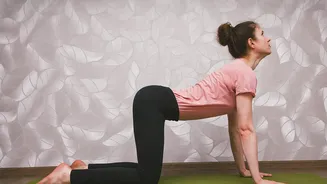
Cat-Cow Pose (Marjaryasana-Bitilasana)
This gentle, flowing sequence is one of the best ways to warm up the spine and improve its flexibility. Start on your hands and knees in a 'tabletop' position, with your wrists directly under your shoulders and your knees under your hips. As you inhale, drop your belly towards the mat, lift your chest and tailbone, and look up (Cow Pose). As you exhale, round your spine toward the ceiling, tucking your chin to your chest (Cat Pose). The movement synchronised with breath gently massages the spine and abdominal organs, relieving tension from your neck to your tailbone.
Downward-Facing Dog (Adho Mukha Svanasana)
One of the most recognised poses in yoga, Downward-Facing Dog strengthens and stretches the entire body. From your hands and knees, tuck your toes, lift your knees off the floor, and send your hips up and back, creating an upside-down 'V' shape. For beginners, it's important to keep a generous bend in the knees to maintain a long, straight spine—this is more important than getting your heels to the ground. Spread your fingers wide and press firmly into your hands to distribute your weight evenly. This pose is fantastic for stretching the hamstrings, calves, and spine while also building strength in the arms and shoulders.
Child's Pose (Balasana)
Child's Pose is a foundational resting posture that offers a gentle stretch for the hips, thighs, and lower back. From your hands and knees, bring your big toes to touch, spread your knees as wide as your hips (or wider), and sit your hips back onto your heels. Fold your torso forward, resting it between your thighs, and place your forehead on the floor. You can extend your arms forward or rest them alongside your body. Balasana is a deeply restorative pose that calms the mind and provides a moment of quiet surrender in your practice.
Seated Forward Bend (Paschimottanasana)
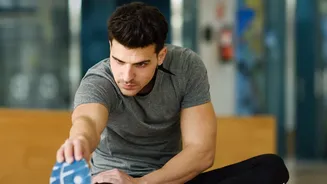
This posture provides an intense stretch for the entire back of the body, from your heels to your neck. Sit on the floor with your legs extended straight in front of you. You can sit on a folded blanket to help tilt your pelvis forward. Inhale to lengthen your spine, and as you exhale, hinge forward from your hips, not your waist. It's perfectly fine to bend your knees significantly to keep your back straight. You can hold onto your shins, ankles, or feet—wherever you can reach without straining. This pose calms the brain and helps relieve stress while stretching the spine and hamstrings.
Bridge Pose (Setu Bandhasana)
Bridge Pose is a gentle backbend that helps improve spinal mobility and opens up the chest and shoulders. Lie on your back with your knees bent, feet flat on the floor hip-width apart, and close enough that you can just touch your heels with your fingertips. On an exhale, press into your feet and lift your hips off the floor. You can keep your arms flat on the floor or interlace your fingers underneath your back, tucking your shoulders under to create more lift in your chest. This pose strengthens the back, glutes, and hamstrings, countering the effects of prolonged sitting.