



The Viral Trend Reviving an Ancient Secret
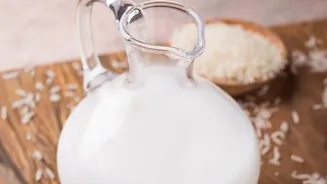
Scroll through social media and you’ll find no shortage of wellness creators and beauty enthusiasts touting the seemingly magical properties of a cloudy, starchy liquid: fermented rice water. Presented as an all-natural elixir, it’s being credited with
everything from enhancing shine and reducing frizz to promoting significant hair growth. The trend involves rinsing or spraying hair with this homemade concoction, a practice that has exploded in popularity as people increasingly seek natural and sustainable alternatives to commercial hair products. This viral movement isn't new, however; it’s the modern revival of a beauty ritual with deep historical roots, particularly in Asia.
A Tradition Rooted in History
The most cited origin of this practice comes from the Red Yao women of Huangluo, China, a village famously known as the “Long Hair Village.” For centuries, these women have used fermented rice water, often boiled with pomelo peels and other local herbs, to cleanse and nourish their hair. Their traditions have resulted in famously long, dark, and healthy hair that often doesn't begin to gray until they are well into their 80s. This living legacy has provided powerful anecdotal evidence that has captivated beauty seekers for generations, suggesting there's more to this simple rinse than just water and starch. The practice is believed to have started as far back as ancient China, where it was used for both hair and skin.
What's in the Water?
When rice is soaked or boiled, it leaches beneficial nutrients into the water. The fermentation process enhances this further. Fermentation lowers the water's pH to be more in line with the hair and scalp's natural acidity, which helps to seal the hair cuticle, leading to smoother strands and less frizz. The process also increases the concentration of key compounds. The most notable is inositol, a carbohydrate sometimes called vitamin B8, which studies suggest can penetrate and strengthen the hair shaft. Fermented rice water also contains amino acids (the building blocks of protein), B vitamins, vitamin E, minerals, and antioxidants, all of which contribute to hair health and protection.
The Science Behind the Shine
While influencers may swear by rice water for hair growth, scientific evidence is more nuanced. Most experts agree that the primary benefit lies in strengthening and improving the condition of existing hair, which in turn reduces breakage and helps retain length. The inositol in rice water can remain in the hair even after rinsing, offering continued protection and repair. However, there is limited clinical proof that it directly stimulates new hair growth from the follicle. One small study did find that fermented rice water increased the rate of hair growth, but broader research is needed. Essentially, think of it as a powerful conditioning treatment that fortifies hair, rather than a miracle growth serum.
How to Make Your Own Rice Elixir
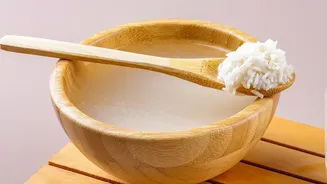
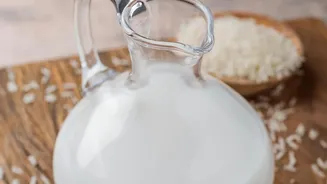
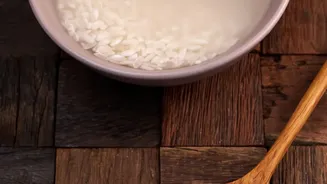
Creating your own rice water is simple. Start by rinsing half a cup of uncooked rice to remove impurities. Then, place the rinsed rice in a bowl with about two to three cups of water. For a basic rinse, let it soak for 30 minutes, swirl it around, and then strain the cloudy water into a clean jar. To ferment it, leave this strained water covered at room temperature for 12 to 24 hours, or until it develops a slightly sour smell. Once fermented, move it to the refrigerator to stop the process. It's best to use it within a few days. Application is straightforward: after shampooing, pour the rice water over your hair, massage it into your hair and scalp, and let it sit for 5 to 20 minutes before rinsing thoroughly.
Potential Risks and Expert Opinions
Despite its natural origins, rice water isn't without potential downsides. Dermatologists caution that because it's rich in starch and protein, overuse can lead to a condition called "protein overload." This can make the hair, especially low-porosity or fine hair, feel stiff, dry, and brittle, paradoxically causing more breakage. There's also a risk of scalp irritation or buildup if the water isn't rinsed out properly. Experts recommend starting with a diluted solution (mixing rice water with plain water) and using it sparingly—once or twice a week at most—to see how your hair responds. Always follow up with a conditioner to restore moisture and softness.