






The Untouched Beauty of Konkan's Backwaters
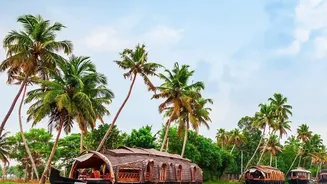
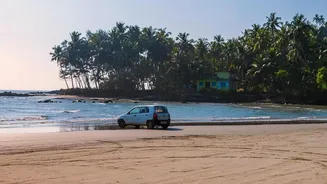
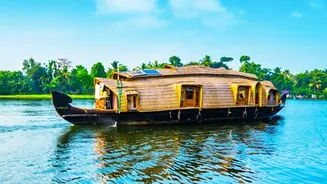
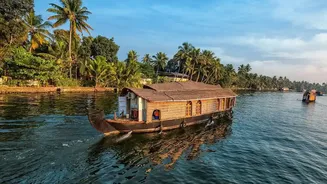
Stretching along Maharashtra's coastline, the Konkan region is a tapestry of pristine beaches, ancient forts, and lush greenery. While destinations like Kerala have long been famous for their backwaters, Konkan's intricate network of mangrove-lined creeks
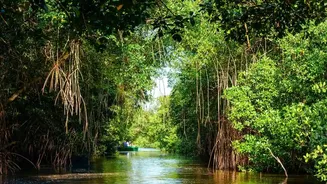
and serene rivers remains one of India's best-kept secrets. These waterways, particularly in the Sindhudurg district, offer a glimpse into a world untouched by commercial tourism, where vibrant birdlife thrives and the rhythm of life is dictated by the tides. Unlike tourism models that rely on heavy infrastructure, the focus here is on low-impact exploration of these delicate ecosystems.
Paddling with a Purpose: The Eco-Friendly Model
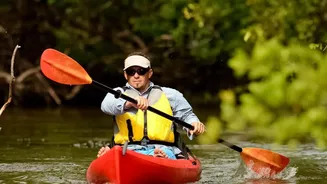
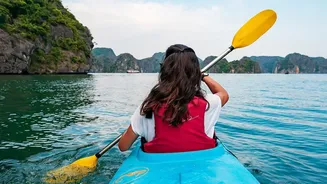
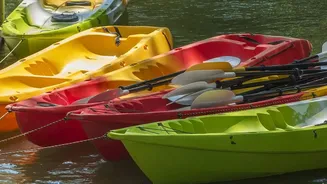
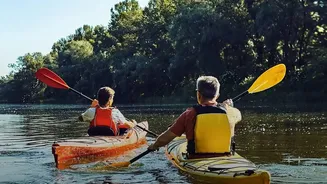
At the heart of this movement is the kayak. A non-motorised, silent vessel, it allows for intimate encounters with nature without causing disruption. Kayaking tours through mangrove forests are not just recreational; they are educational. Guides, often from local communities, share knowledge about the crucial role mangroves play as natural barriers against storm surges, nurseries for marine life, and vital 'blue carbon' sinks that store vast amounts of carbon. This form of ecotourism is built on a 'leave no trace' philosophy, ensuring that the environment is preserved for future generations. Operators emphasize carrying out all waste and respecting wildlife habitats.
Community at the Core of the Experience
This sustainable model is designed to directly empower local coastal communities. Instead of large, corporate-owned resorts, the ecosystem is built around homestays, where visitors experience authentic Konkani hospitality and culture. Local families open their homes, serve traditional Malvani cuisine made with organic ingredients, and share their way of life. This ensures that tourism revenue stays within the community, providing a vital source of income that doesn't rely on urban migration. Initiatives like the 'Mangrove Conservation and Livelihood Generation Scheme' by Maharashtra's Mangrove Foundation actively support these community-led enterprises, providing subsidies for activities like ecotourism, boat safaris, and crab farming.
The Ripple Effect of Conscious Travel
The benefits extend far beyond the tour guides and homestay owners. The model creates a virtuous cycle: when communities derive their livelihood from the health of the mangroves, they become their fiercest protectors. This community stewardship is crucial for conservation. Furthermore, it fosters a market for local artisans, farmers, and ancillary services, creating a resilient local economy. Organisations like Konkani Ranmanus champion this approach, arguing that the uniqueness of the local lifestyle itself should be the main attraction, rather than forcing communities to adopt urban amenities for tourists. This preserves the cultural fabric of the region while offering travellers a genuinely authentic experience.
The Path Forward
While the model is promising, scaling it responsibly presents challenges. Maintaining the balance between growth and authenticity is key. As more travellers seek out these unique experiences, there is a risk of 'over-tourism' even in these remote areas. The success of sustainable kayaking in Konkan depends on continued collaboration between government bodies like the Mangrove Cell, local communities, and responsible tour operators. Ensuring that tourism development remains low-impact, community-centric, and environmentally conscious will be crucial for the long-term prosperity of both the people and the pristine backwaters they call home.