




For decades, Thailand has been the undisputed king of Southeast Asian travel. But for a growing number of explorers, the kingdom’s well-trodden paths are feeling a little too familiar, prompting a search for something new next door.
The Golden Age of Discovery Fades
Thailand’s tourism
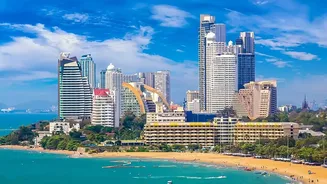
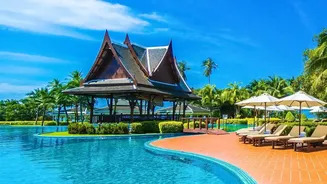
success is legendary. Its formula of stunning beaches, world-famous food, vibrant culture, and affordability created a magnet for everyone from backpackers to luxury seekers. However, that very success is now causing friction. In popular hubs like Phuket, Chiang Mai, and Bangkok, travellers are increasingly encountering issues that were once rare. Reports from 2026 highlight that the country is grappling with being overwhelmed by its own popularity. Observers point to crowded beaches, strained infrastructure, and rising prices as factors dimming the country's shine. Some veteran visitors feel the famous 'Land of Smiles' is becoming more transactional as it pivots towards higher-spending tourists. While Thailand is still a fantastic destination, these pressures have opened the door for its neighbours to capture the attention of those seeking better value, fewer crowds, and a raw sense of discovery.
For Pristine Beaches: The Philippines
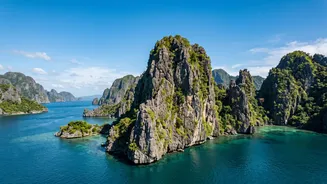
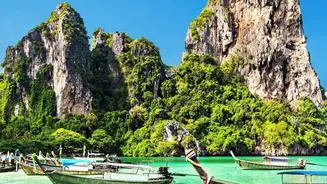
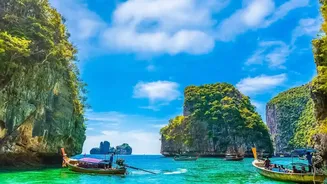
If your primary reason for visiting Thailand is its legendary islands and beaches, the Philippines presents a compelling, and arguably superior, alternative. With over 7,600 islands, the Philippines offers an almost endless supply of the dramatic limestone cliffs and turquoise lagoons that made Thai islands famous, but often without the crowds. Destinations like Palawan, home to El Nido and Coron, are consistently ranked among the world's best for sheer natural beauty. While Thailand's tourism infrastructure is more polished and convenient for first-timers, the Philippines rewards those willing to put in a little more effort with a rawer, more adventurous experience. An added advantage is that English is an official language, making it incredibly easy to connect with locals and navigate independently.
For Food and Culture: Vietnam
Vietnam is rapidly emerging as a culinary and cultural powerhouse, making it a powerful rival for Thailand's affections. The country offers an incredible diversity of experiences, from the buzzing motorcycle-filled streets of Hanoi and Ho Chi Minh City to the ancient, lantern-lit alleys of Hoi An. For many, the food alone is worth the trip; Vietnamese cuisine is celebrated globally and can often be enjoyed at prices lower than in Thailand. Beyond the cities, Vietnam’s landscapes are just as epic, with the karst seascapes of Ha Long Bay providing a direct competitor to Thailand's famous bays and the mountainous rice terraces of Sapa offering a trekking experience unlike any other. With travel costs generally lower and infrastructure rapidly improving, Vietnam offers a deep, flavourful, and affordable alternative.
For a Diverse Blend: Malaysia
Often overlooked, Malaysia offers a unique and multifaceted experience that combines modernity, nature, and a rich cultural tapestry. The 'Visit Malaysia 2026' campaign has highlighted the country's strong tourism growth, which is now surpassing pre-pandemic levels. The capital, Kuala Lumpur, is a gleaming metropolis comparable to Bangkok, while the island of Penang is a UNESCO-listed food-and-heritage paradise. For nature lovers, Malaysian Borneo offers some of the planet's most ancient rainforests, with opportunities to see orangutans and explore pristine dive sites. Malaysia provides a fascinating blend of Malay, Chinese, and Indian cultures, reflected in its architecture, festivals, and especially its food. With excellent infrastructure and widespread use of English, it's an easy country to navigate while still feeling distinct from its neighbours.