



The New Status Symbol
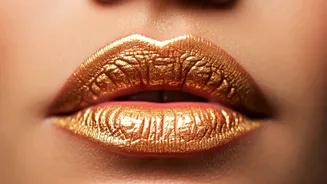
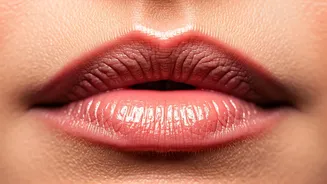
For years, the loudest lip won. Matte liquid lipsticks and dramatic over-lining dominated social media feeds. But a shift is underway. Just as 'glass skin' became the ultimate complexion goal, 'glass lips'—and their more subtle cousin, the simply hydrated
lip—have taken center stage. Why? Because unlike a bold lipstick colour, truly healthy lips signal something deeper: wellness, consistency, and self-care. They are a testament to a routine that goes beyond surface-level aesthetics. In an era saturated with quick fixes and cosmetic enhancements, a pair of naturally lush, unchapped lips suggests you’re putting in the work behind the scenes. It’s a subtle but undeniable flex.
The Science of a Smile
Why are lips so notoriously difficult to keep hydrated? It comes down to basic biology. The skin on your lips is among the thinnest on your entire body, consisting of just 3-5 cellular layers compared to the 16 layers found elsewhere. Furthermore, your lips have no sebaceous (oil) glands and very few sweat glands. This means they lack the natural protective hydro-lipid film that keeps the rest of your skin moisturised and protected from the elements. This unique anatomy makes them incredibly vulnerable to dehydration and damage from sun, wind, dry air, and even the salty foods we eat. Without a built-in hydration system, our lips rely entirely on external sources for moisture, making a dedicated care routine non-negotiable.
Beyond Basic Balm: What to Look For
Not all lip products are created equal. While a simple petroleum-based balm can create a barrier to prevent moisture loss (making it an excellent final step), it doesn’t add hydration back into the lips. For a truly effective routine, you need to layer ingredients, just as you would with facial skincare.
First, look for humectants. These ingredients act like magnets, drawing moisture into the delicate skin of the lips. The most effective humectants include hyaluronic acid and glycerin. Next, you need emollients to soften and repair the skin barrier. Think squalane, shea butter, and ceramides—lipids that help fill in any cracks and restore smoothness. Finally, you lock it all in with an occlusive. This is where your classic balms containing petrolatum, beeswax, or dimethicone shine. They form a protective seal over the lips, preventing all that hard-won hydration from evaporating.
The Ultimate Hydration Routine
Building a lip care routine is simple once you understand the principles. Start by gently exfoliating 1-2 times per week to slough off dead, flaky skin. You can use a gentle sugar scrub or simply a soft, damp washcloth in a circular motion. Avoid harsh scrubs or over-exfoliating, as this can cause irritation.
After exfoliating, while your lips are still slightly damp, apply a hydrating serum containing hyaluronic acid. Allow it to absorb for a minute. Then, follow up with a nourishing cream or balm rich in emollients like ceramides or squalane. The final and most crucial step, especially at night, is to seal everything with a good occlusive balm. This 'slugging' technique for your lips creates an intensive overnight treatment, allowing you to wake up with a visibly plumper, smoother pout. During the day, always opt for a lip balm with SPF 30 or higher to protect against sun damage, a primary cause of thinning and aging lips.
Lifestyle Habits for Lush Lips
What you do is just as important as what you apply. The most common saboteur of soft lips is dehydration. Ensure you’re drinking enough water throughout the day, as your lips are often one of the first places to show signs of internal dehydration. Another common culprit is lip-licking. While it provides momentary relief, your saliva contains digestive enzymes that break down the thin skin on your lips, leading to a vicious cycle of dryness and irritation. Be mindful of this habit and reach for your balm instead. Additionally, breathing through your mouth, especially at night, can significantly dry out your lips. If you suspect this is an issue, consider using a humidifier in your bedroom to keep the air moist.