





Meet Your Digestive Workforce: Enzymes
Think of your digestive system as a highly efficient factory, and enzymes are its tireless workers. These specialized proteins are catalysts, meaning they speed up chemical reactions. Digestive enzymes, primarily produced in your pancreas and small intestine,
have a critical job: to break down large, complex food molecules into smaller, absorbable units. Proteases tackle proteins, lipases handle fats, and amylases work on carbohydrates. Without these enzymes, absorbing nutrients from food would be nearly impossible. They are the unsung heroes of our daily nutrition, unlocking the goodness from everything we eat.
The 'Just Right' Temperature for Digestion
Enzymes are sensitive and work best under specific conditions, particularly temperature. Much like us, they have a comfort zone. For human digestive enzymes, this optimal temperature is our own body temperature, approximately 37°C. At this temperature, they have the perfect shape and flexibility to bind to proteins and fats and break them down efficiently. If the environment is too cold, their activity slows down. If it gets too hot, they can denature, meaning their structure permanently changes, rendering them useless. This is why your body works so hard to maintain a stable internal temperature.
Why Warm Food Gives Enzymes a Head Start
When you eat or drink something cold, your stomach has to expend energy to warm it up to 37°C before efficient digestion can begin. This can temporarily slow down the process. Conversely, consuming warm food—that is, food close to your body's own temperature—means the enzymes can get to work immediately. This saves your body energy and allows the digestive process to proceed smoothly without delay. Warmth also helps relax the muscles of the digestive tract and increases blood flow to the stomach and intestines. This enhanced circulation ensures a healthy supply of oxygen and helps in the secretion of more digestive enzymes, creating an ideal environment for digestion.
Tackling the Tough Stuff: Proteins and Fats
Proteins and fats are the most complex macronutrients to digest. They require significant effort from their specific enzymes, protease and lipase, respectively. By consuming warm foods, you are essentially creating the perfect working conditions for these enzymes. The warmth helps to soften fats, making them easier for lipase to break down into smaller fatty acids. Similarly, a warm environment ensures protease enzymes are functioning at their peak to unravel complex protein structures into absorbable amino acids. This efficiency can lead to less bloating and discomfort, particularly after a high-fat or high-protein meal.
Wisdom from Traditional Practices
The idea of favouring warm foods is not new. Both Traditional Chinese Medicine (TCM) and Ayurveda have advocated for this for centuries. In these traditions, the digestive system is often described as a 'digestive fire' (Agni in Ayurveda or the 'Middle Burner' in TCM). Cold foods and drinks are believed to dampen this fire, leading to sluggish digestion and the buildup of toxins. Warm, cooked foods, on the other hand, are seen as nurturing this fire, promoting strong digestion, better nutrient absorption, and overall vitality. While the terminology is different, the core principle aligns with modern science: warmth supports digestive efficiency.
Easy Ways to Incorporate Warmth
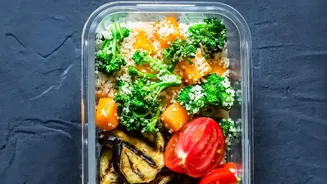
Assisting your digestion doesn't require a radical overhaul of your diet. It can be as simple as making small, warm choices. Start your day with oatmeal or a warm egg dish instead of a cold smoothie. Opt for soups, stews, or gently steamed vegetables at lunch instead of a raw salad. Even drinking warm water or herbal tea with your meals can help. These simple swaps can support your enzymatic workforce, making them more effective at their job and leaving you feeling more energised and comfortable throughout the day.