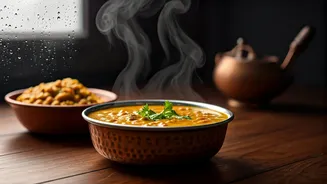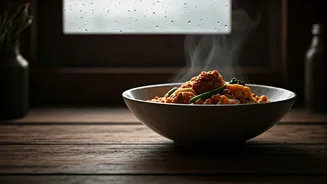






The Craving for Comfort
Across the United States, a gloomy, rainy day might inspire a pot of chili or a batch of chocolate chip cookies. In India, the monsoon triggers a similar but distinct culinary shift, one deeply ingrained in culture and tradition. As the skies open up,
kitchens and street food stalls pivot to a menu defined by two things: warmth and crunch. The oppressive humidity gives way to a cool, damp breeze, and with it comes a near-instinctual desire for something hot, savory, and often, deep-fried. This isn't just about indulgence; it's a multisensory experience. The sound of sputtering oil becomes a backing track to the rhythm of the rainfall, and the aroma of frying spices mingles with the scent of wet earth. It’s a nationwide embrace of comfort food, a way of welcoming and celebrating a season that is both life-giving and, at times, disruptive.
The Holy Trinity: Chai and Fried Snacks
At the heart of monsoon cuisine are a few iconic pairings. First and foremost is the combination of masala chai and pakoras. Masala chai, a brew of black tea simmered with milk and warming spices like cardamom, ginger, and cloves, becomes less of a morning ritual and more of an all-day necessity. Its warmth is a perfect antidote to the damp chill.
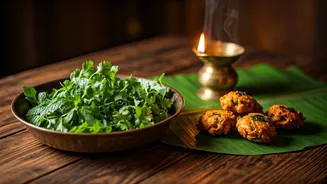
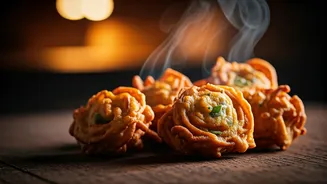
Its ideal partner is the pakora. These are savory fritters made by dipping vegetables—like sliced onions, potatoes, spinach, or cauliflower—in a spiced chickpea flour batter and deep-frying them until golden and crisp. Served piping hot with a side of tamarind or mint chutney, they are the ultimate rainy-day snack. Close behind are samosas, the triangular pastry pockets filled with spiced potatoes and peas, which offer a similarly satisfying crunch and a burst of savory flavor. This trio forms the backbone of monsoon snacking, enjoyed in homes, at office canteens, and from street-side stalls where vendors work tirelessly under makeshift tarps.
Health, Wisdom, and Ayurveda
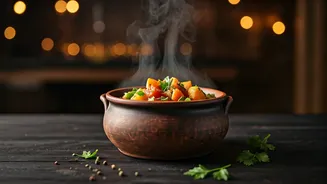
The shift in diet isn't purely about comfort; it's also rooted in centuries of traditional wisdom, much of it from Ayurveda, India's ancient system of medicine. According to Ayurvedic principles, the monsoon season, or 'Varsha Ritu,' is a time when the body's digestive fire ('agni') is at its weakest. The humidity and lack of direct sunlight are believed to make digestion sluggish. Consequently, the traditional diet adapts. Foods are expected to be light on the stomach but warming in nature. This explains the prolific use of digestive-friendly spices like ginger, black pepper, turmeric, and asafoetida (hing) in monsoon dishes. It also explains why heavy, leafy green vegetables are often avoided. During the monsoon, they are more susceptible to mud, pests, and water-borne germs, so the focus shifts to gourds, lentils, and grains. Soups, or 'shorbas,' also become popular, offering nourishment in a warm, easily digestible format.
Street Food Stars and Seasonal Bounties
While pakoras and samosas reign supreme, they share the stage with other seasonal heroes. One of the most beloved is 'bhutta,' or corn on the cob. Street vendors roast ears of corn directly over hot coals until the kernels are charred and smoky. They then rub the cob with a mixture of salt, chili powder, and a squeeze of lime juice. The resulting snack is a perfect blend of sweet, smoky, spicy, and tangy flavors, enjoyed while huddled under an umbrella.
The monsoon also brings its own unique produce, like jamun (Java plum), a tart, purple fruit that stains the tongue, and various types of gourds that find their way into curries and stews. It's a time when the food landscape reflects not just what people want to eat, but what nature provides. From the bustling cities to the quiet villages, the culinary rhythm changes, guided by the clouds.