

1. Garam Masala: The Warming Heartbeat
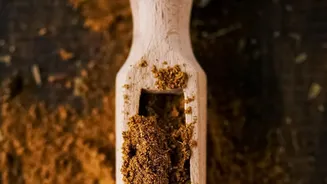
Garam Masala, which translates to 'warming spice blend', is arguably the most famous of Indian masalas. Originating in Northern India, it is not necessarily fiery hot but provides a deep, aromatic warmth. Recipes are famously guarded and vary from family
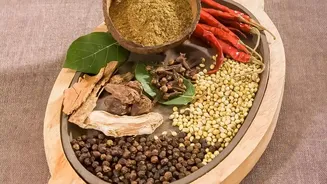
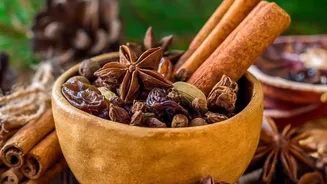
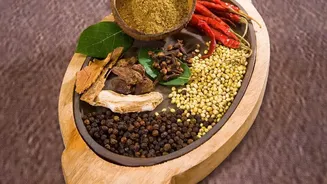
to family, but they typically revolve around a core of cinnamon, cloves, black peppercorns, cumin, and both green and black cardamom. Unlike many other spice mixes used during the cooking process, Garam Masala is often added at the very end of cooking to preserve its fragrant and delicate top notes, acting as a finishing spice that brightens the entire dish. To make a simple blend, dry roast whole spices like cinnamon, cloves, peppercorns, and cumin seeds in a pan until fragrant. Let them cool completely before grinding to a fine powder in a spice grinder. Stored in an airtight container, it will bring life to dals, curries, and vegetable dishes for months.
2. Chaat Masala: The Tangy Troublemaker
If Garam Masala is the warm heart, Chaat Masala is the puckish soul of Indian flavours. This is the secret weapon behind the addictive taste of Indian street food, or 'chaat'. Its signature flavour profile is a complex explosion of tangy, salty, and slightly funky notes. The key ingredients that set it apart are amchur (dried mango powder) for sourness and kala namak (black salt) for its unique sulphuric, savoury taste. These are blended with roasted cumin, coriander, dried ginger, and sometimes ajwain or asafoetida. Chaat Masala is almost exclusively used as a finishing spice. A sprinkle over a fruit salad, a bowl of chickpeas, yogurt, or fresh-cut vegetables instantly transforms the mundane into something mouth-wateringly delicious. To prepare it, you simply need to combine the ground spices—no roasting is required if you are using pre-ground powders, but for best results, roast whole cumin and coriander seeds before grinding and mixing with amchur, black salt, and other powders.
3. Sambar Powder: The South Indian Staple
Travel south, and you will find Sambar Powder at the core of the region's cuisine. This aromatic blend is the foundation for sambar, a ubiquitous lentil and vegetable stew served with everything from rice to idlis and dosas. What makes this masala unique is the inclusion of roasted lentils, which act as a thickening agent and provide a nutty, earthy depth. A typical sambar powder includes a base of coriander seeds, dried red chillies, and a mix of lentils like toor dal and chana dal. Fenugreek seeds, cumin seeds, black peppercorns, and asafoetida are also crucial for its distinctive flavour. Making it involves dry-roasting the lentils and whole spices separately until they are aromatic and golden brown. Once cooled, they are ground together into a fine powder. The fragrance of a freshly made batch is unmistakable and is the key to an authentic-tasting sambar.
4. Panch Phoron: The Five-Spice Temper
Hailing from Eastern India, particularly Bengal, Panch Phoron is unlike the other masalas on this list because it is a blend of whole, not ground, spices. The name literally translates to 'five tempering spices'. It consists of an equal-parts mixture of cumin seeds, fennel seeds, mustard seeds, nigella seeds, and fenugreek seeds. Its genius lies in its application; the blend is added to hot oil or ghee at the very beginning of the cooking process. As the seeds sizzle and pop, they infuse the oil with a complex layering of flavours—nutty, sweet, sharp, and slightly bitter. This tempered oil then becomes the flavour base for vegetables, dals, pickles, and fish curries. To make it, simply mix the five whole seeds and store them in a jar. There is no grinding involved, making it the easiest blend to prepare. Its magic is in the technique, not just the ingredients.
5. Goda Masala: The Taste of Maharashtra
Goda Masala, also known as Kala (black) Masala, is a cornerstone of Maharashtrian cooking. It has a unique, subtly sweet, and aromatic profile, thanks to a few special ingredients. While it shares common spices like coriander and cumin, its distinctiveness comes from ingredients like dagad phool (stone flower), a type of lichen with an earthy, woody aroma, along with roasted dry coconut and sesame seeds. This gives the masala a dark colour and a nutty, complex flavour that is less pungent than Garam Masala. The spices are roasted, often with a little oil, until they darken significantly, which contributes to its 'kala' or black name. It is used to flavour classic Maharashtrian dishes like amti (a tangy dal), various vegetable preparations (usal), and stuffings. Making it involves carefully roasting each ingredient to the right level of darkness before cooling and grinding everything together.