





The Rise of the 'Shoulder Season'
The travel industry has a name for the sweet spot just between a destination's peak and off-peak periods: the 'shoulder season'. For international travel from India, this often meant the months of September and October were overlooked in favour of the major
summer and winter breaks. However, a significant shift is underway. Travel companies are reporting a noticeable rise in demand for these months, not as a replacement for traditional holiday periods like Diwali and Christmas, but as an additional, smarter travel window. According to reports from major travel firms like Thomas Cook and SOTC, Indian travellers are showing greater flexibility and a willingness to explore holidays outside the usual frenzy. This points to a maturing travel culture, where timing a trip has become as important as the destination itself.
Perfect Weather and Fewer Crowds
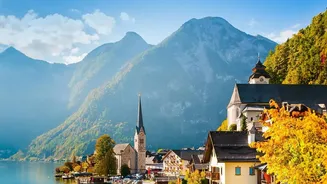
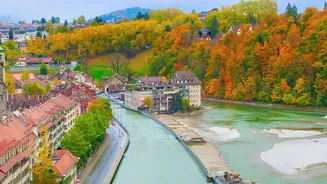
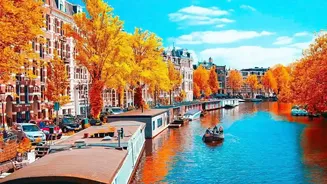
One of the biggest drivers of this trend is the ideal climate in many popular destinations. As the monsoon recedes in India, autumn begins to paint Europe in beautiful colours, while conditions in many parts of Asia become very pleasant. Destinations across Southeast Asia, such as Thailand, Vietnam, and Indonesia, offer favourable weather during this period. Further afield, places like Japan and South Korea are also magnets for their beautiful autumn foliage. Beyond the weather, the experience on the ground is simply better. With the summer tourist rush over, attractions are less crowded, allowing for a more relaxed and immersive holiday. Reports suggest a significant number of Indian travellers—around 37% according to one study—now deliberately choose these quieter periods to avoid large crowds.
Making Smart Economic Sense
The financial benefits of shoulder season travel are undeniable. With lower demand compared to peak times, airlines and hotels often offer more competitive pricing. This doesn't just mean a cheaper trip; it means travellers can get better value for their money. Many are choosing to redirect their savings towards upgraded accommodation, unique experiences, or immersive local activities that might have been out of budget during the peak season. This value-first mindset is a hallmark of the modern Indian traveller. It’s less about finding the absolute cheapest deal and more about maximising the overall experience. This trend is also supported by an increasing number of public holidays and long weekends in September and October, such as Ganesh Chaturthi, Gandhi Jayanti, and Dussehra, which make it easier to plan short breaks or longer holidays without taking extensive leave.
Where Are Indians Going?
The destinations attracting Indian travellers during this window are diverse. In Asia, Vietnam, Thailand, Indonesia, Singapore, Malaysia, and South Korea are popular choices due to favourable weather and good connectivity. The ease of obtaining visas for many of these destinations also encourages more spontaneous getaways. Europe, transitioning into its picturesque autumn season, remains a strong draw for those looking for long-haul holidays. Travel industry experts note that this shift benefits both travellers and destinations. It allows for a more even distribution of tourist traffic throughout the year, easing the strain on infrastructure and creating a more sustainable tourism model. For the Indian holidaymaker, it signals a move towards more conscious, experience-driven travel decisions, breaking free from the constraints of the traditional calendar.