




Choose Your Destination Wisely
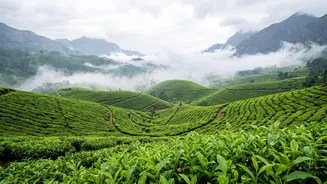
Not all destinations are created equal during the monsoon. While the season brings out the best in some places, it can make others risky. Opt for locations that are known for their monsoon beauty but have reliable infrastructure. Destinations in the Western
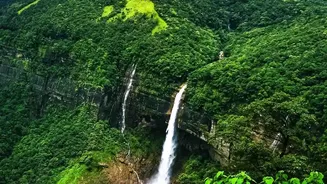
Ghats like Coorg, Munnar, and Wayanad become exceptionally beautiful, with full waterfalls and verdant hills. However, it is crucial to avoid areas prone to severe landslides and flooding, which can include certain Himalayan regions. Always check local advisories and weather forecasts a few days before your trip. Places like Udaipur or Pondicherry can also be excellent choices as they receive less intense rainfall but still offer a refreshing atmosphere. Prioritizing destinations with good road connectivity and stable tourist facilities is key to a hassle-free experience.
Master the Art of Monsoon Packing
Packing for a monsoon trip is about staying dry and comfortable. Leave heavy fabrics like denim and cotton at home, as they take ages to dry in the humid weather. Instead, opt for lightweight, synthetic clothes that dry quickly. A reliable waterproof jacket and a sturdy umbrella are non-negotiable. Footwear is critical; choose waterproof sandals or shoes with excellent grip to navigate slippery surfaces. To protect your electronics and important documents, use waterproof bags or dry bags. It's also wise to pack a few silica gel packs in your luggage to absorb excess moisture and prevent musty smells. An insect repellent is another essential, as the monsoon is peak season for mosquitoes.
Navigate Road Trips with Caution
Monsoon road trips offer stunning scenery but come with unique challenges. Reduced visibility, slippery roads, and the risk of waterlogging demand extra caution. Always get your vehicle serviced before you leave, paying special attention to tyres, brakes, and wipers. Drive slower than you normally would and maintain a safe distance from the vehicle ahead. It is best to avoid driving after dark if possible. Before starting your journey and along the way, check for real-time updates on road conditions and potential closures. Never attempt to drive through heavily waterlogged streets, as it can damage your vehicle and pose a serious safety risk. Having an emergency kit with a first-aid box, torch, and power bank is always a good idea.
Stay Healthy and Eat Smart
The monsoon can increase the risk of water-borne diseases. Be vigilant about what you eat and drink. Stick to bottled or purified water and avoid drinking from unreliable sources. While street food is tempting, it's safer to eat at hygienic, well-regarded restaurants, especially during the rains, to avoid contamination. Opt for freshly prepared hot meals. It's also a good practice to carry essential medicines for common ailments like fever, indigestion, and colds, along with a basic first-aid kit. Staying hydrated is important, but ensure the source is clean and safe to prevent getting sick on your vacation.
Embrace Flexibility in Your Itinerary
The one thing you can predict about monsoon weather is its unpredictability. A sudden downpour can wash out your plans for the day. The key is to build flexibility into your schedule. Avoid packing your days with back-to-back activities. It’s wise to have a backup plan, such as an indoor activity like visiting a local museum, café, or simply relaxing at your hotel. Booking flights, trains, and hotels with flexible cancellation or rescheduling policies can save you from financial loss if the weather forces a change of plans. Ultimately, the best monsoon trips are those where you're prepared to slow down and savour the experience, rain or shine.