


Ignoring Weather Alerts and Forecasts
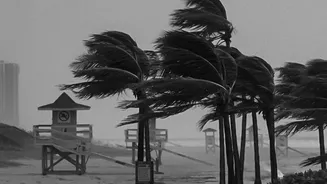
One of the biggest mistakes is treating the monsoon as just a little rain. Before booking, and in the days leading up to your trip, check official weather forecasts for your destination and route. Heavy rain warnings can signal risks of flooding, landslides,
or road closures, especially in hilly or coastal areas. A quick check helps you anticipate conditions and decide if postponing is the safer option. Remember, local authorities may close tourist spots if severe weather is predicted.
Choosing the Wrong Destination
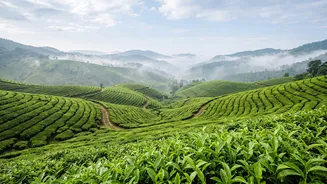
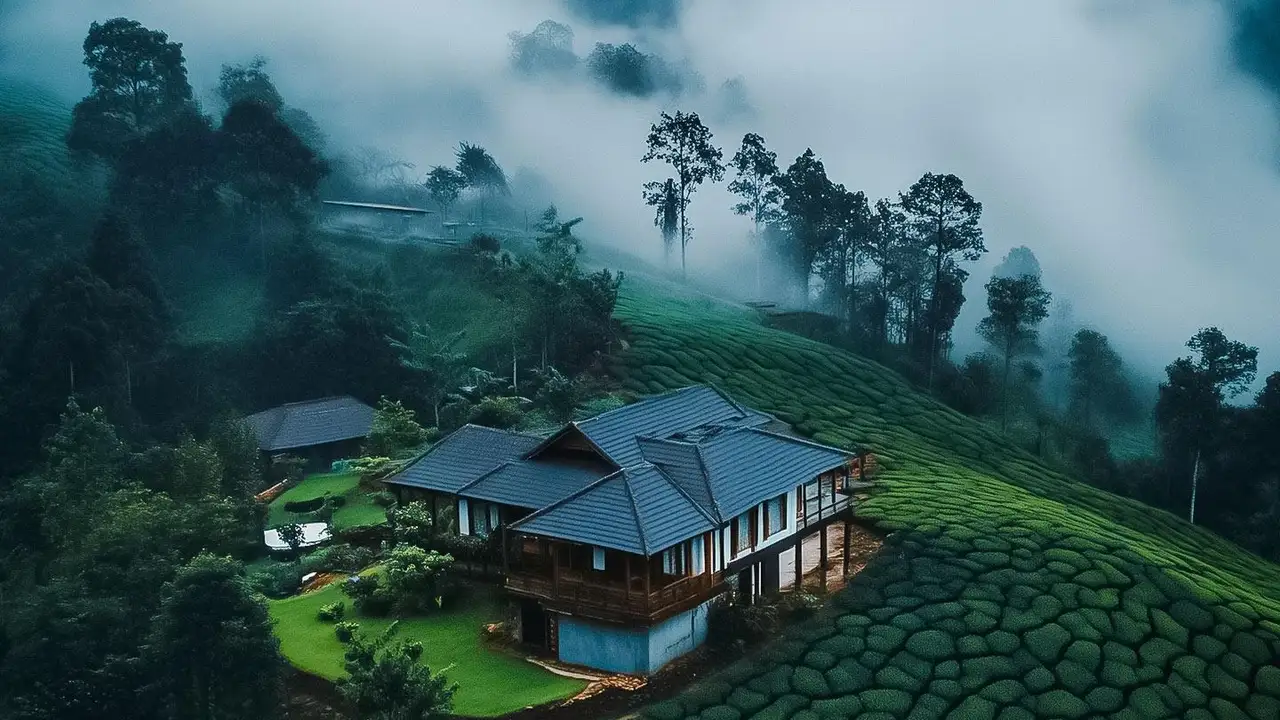
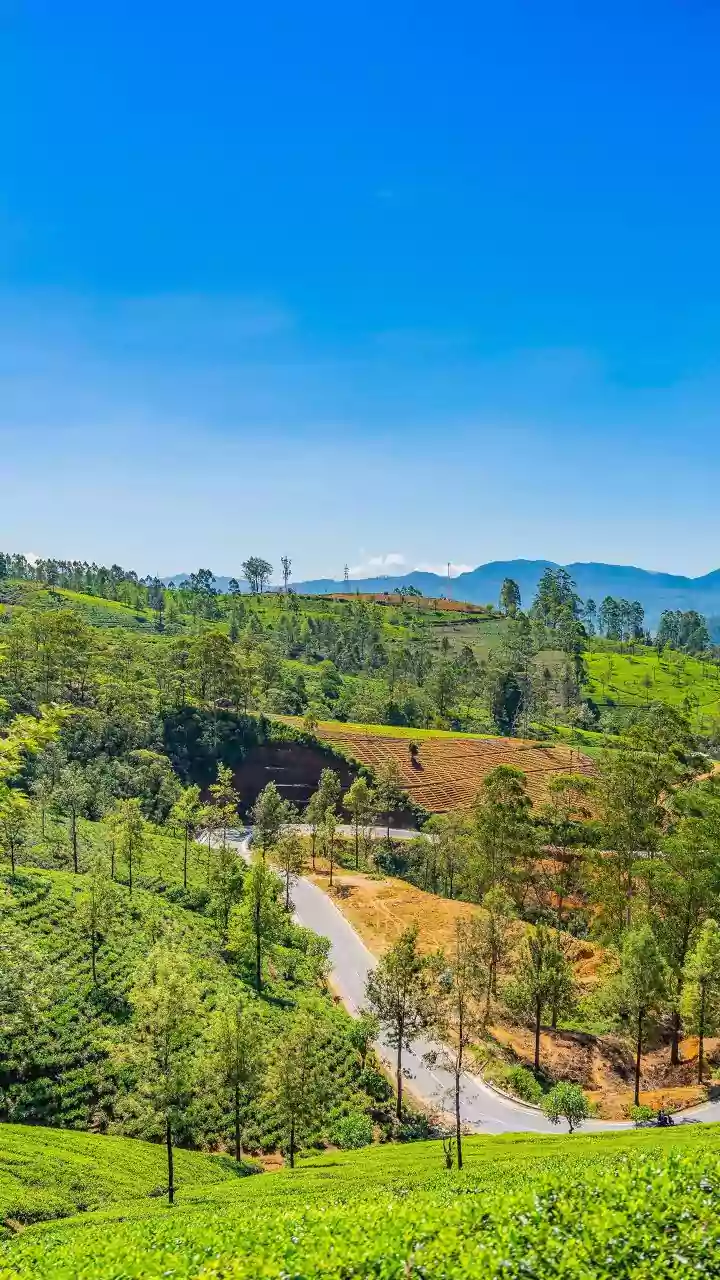
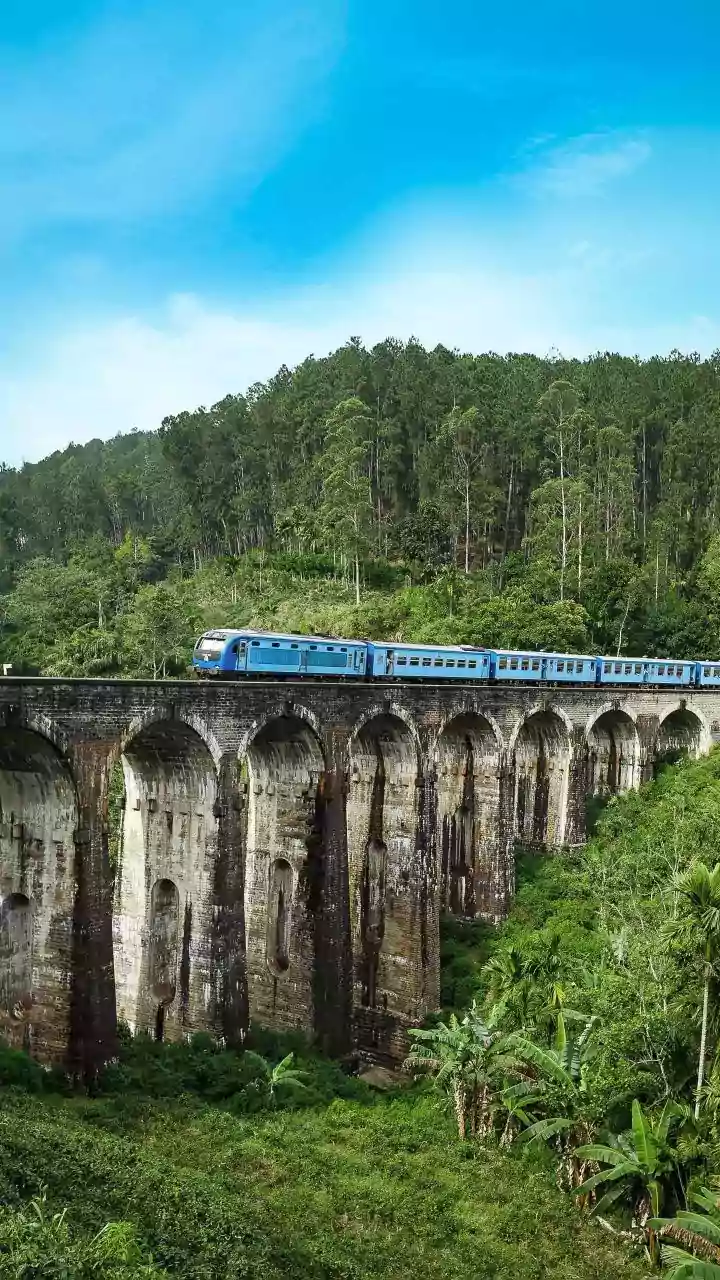
While many places are beautiful during the monsoon, some are best avoided. Regions prone to severe flooding or landslides can turn a dream trip into a logistical nightmare. Research your destination's monsoon patterns. Opt for places known for their rainy-season charm, like parts of the Western Ghats or Kerala, which are well-equipped for tourists. Avoid remote areas where a single blocked road could leave you stranded.
Underestimating Road Conditions
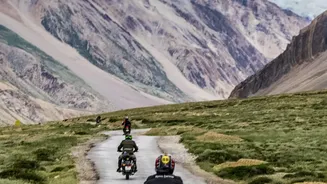
If you're planning a road trip, your vehicle's condition is paramount. Ensure your tyres have adequate tread, brakes are responsive, and windscreen wipers are in perfect working order. Wet roads drastically reduce traction and visibility. Always reduce your speed, maintain a safe distance from other vehicles, and use your headlights even during the day. Avoid driving through waterlogged areas, as puddles can hide deep potholes or cause your vehicle to aquaplane. Hiring a local driver who knows the terrain can be a much safer alternative.
Packing the Wrong Clothes and Gear
Cotton and denim are poor choices for monsoon travel as they take a long time to dry in high humidity. Instead, pack lightweight, synthetic fabrics that dry quickly. A reliable waterproof jacket or poncho is more practical than an umbrella, which can be useless in strong winds. Waterproof footwear with a good grip is essential for navigating slippery, muddy, or waterlogged streets. Also, carry a few extra pairs of socks to avoid fungal infections from wearing damp shoes.
Forgetting to Protect Your Valuables
Rain has a way of getting into everything. Protect your electronics, passport, and other important documents by storing them in waterproof bags or pouches. Even simple ziplock bags can offer quick protection during a sudden downpour. It’s also wise to carry a fully charged power bank, as power cuts can be more frequent during the rainy season. Having offline maps and emergency contacts saved on your phone is another smart move.
Neglecting Health and Hygiene
The monsoon is a peak season for waterborne and mosquito-borne diseases like cholera, typhoid, dengue, and malaria. Be cautious about what you eat and drink. Avoid street food and stick to bottled or boiled water. Eat freshly prepared hot meals from clean establishments. Carry insect repellent and use it, especially during the evenings. It’s also recommended to pack a basic first-aid kit with any personal medications, hand sanitiser, and remedies for stomach issues.
Not Building Flexibility Into Your Itinerary
A rigid schedule is a recipe for stress during the monsoon. Flights can be delayed, roads can be blocked, and outdoor activities can be cancelled with little warning. The key is to have a flexible plan. Build buffer days into your trip for potential delays and have backup plans for indoor activities like visiting museums or cafes. A good monsoon itinerary is one that adapts to changing conditions, not one where every single activity gets ticked off.