



A Philosophy of Resourcefulness
In India, the practice of transforming old items into new, valuable ones is an age-old tradition rooted in the concept of 'Jugaad'—a frugal and creative approach to problem-solving. This mindset of making the most out of limited resources has been passed
down through generations. In countless households, a torn sari isn't waste; it's the beginning of a quilt. This innate culture of reuse, born from both necessity and respect for materials, has given rise to a stunning variety of textile crafts that turn potential waste into objects of beauty and utility. These practices are not just about recycling but about imbuing old materials with new life and meaning, a silent but powerful contribution to sustainability.
Gujarat’s Woven Wonders
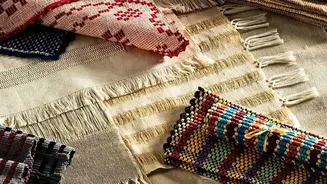
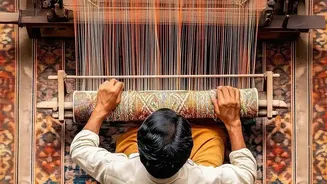
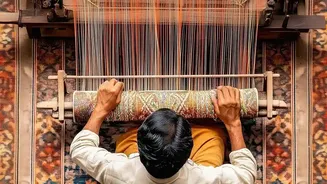
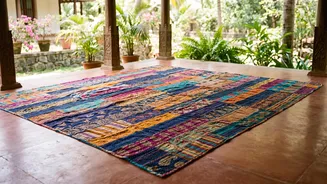
In Gujarat, the tradition of weaving 'Chindi' rugs stands as a vibrant testament to this ethos. The word 'chindi' translates to 'scrap' or 'rag', and these colourful floor coverings are made by weaving or braiding together strips of waste fabric from clothing or textile manufacturing. Artisans sort these fabric remnants by colour and then intricately weave them, often on a handloom, to create unique, durable rugs. The result is a kaleidoscope of colours and textures, with each rug telling a different story through its varied materials. The process is labour-intensive but results in a one-of-a-kind piece that is both eco-friendly and deeply rooted in a history of not letting anything go to waste.
Bengal’s Storied Stitches
In West Bengal and Bangladesh, the art of 'Kantha' embroidery showcases a different but equally profound upcycling tradition. Kantha, a word that can mean both the running stitch style and the finished cloth, has its origins in pre-Vedic times. Traditionally, women would layer soft, worn-out cotton saris and dhotis, stitching them together with simple running stitches to create soft quilts, bedspreads, and covers for babies. The thread used for the embroidery was often pulled from the borders of old saris. These quilts were not merely functional; they became canvases for storytelling, embroidered with motifs from mythology, nature, and daily village life, passed down from mother to daughter.
A Tapestry Across India
The spirit of upcycling extends far beyond Gujarat and Bengal. In Maharashtra, women create 'Godhadi' quilts, layering and hand-stitching old saris and clothes into warm, soft blankets. The making of a Godhadi is often a communal activity, where women gather to stitch and share stories, embedding the quilts with personal and collective histories. In states like Haryana, 'Panja Dari' rugs are woven from cotton waste, while in Rajasthan, patchwork quilts known as 'Gudri' are crafted. These diverse traditions all share a common thread: a deep-seated belief that old materials hold value and that with skill and creativity, they can be transformed into something new and cherished.
From Tradition to Modern Trend
Today, as the world grapples with the impact of fast fashion and consumer waste, these ancient Indian practices have become more relevant than ever. The global push for sustainability and conscious consumption has cast a spotlight on crafts like Kantha and Chindi, which are now appreciated not only for their beauty but also for their eco-friendly principles. What was once a household practice of thrift has become a celebrated art form, providing livelihoods for artisan communities and offering a meaningful alternative to mass-produced goods. These traditions remind us that sustainability is not a new invention but a timeless philosophy woven into the cultural fabric of India.